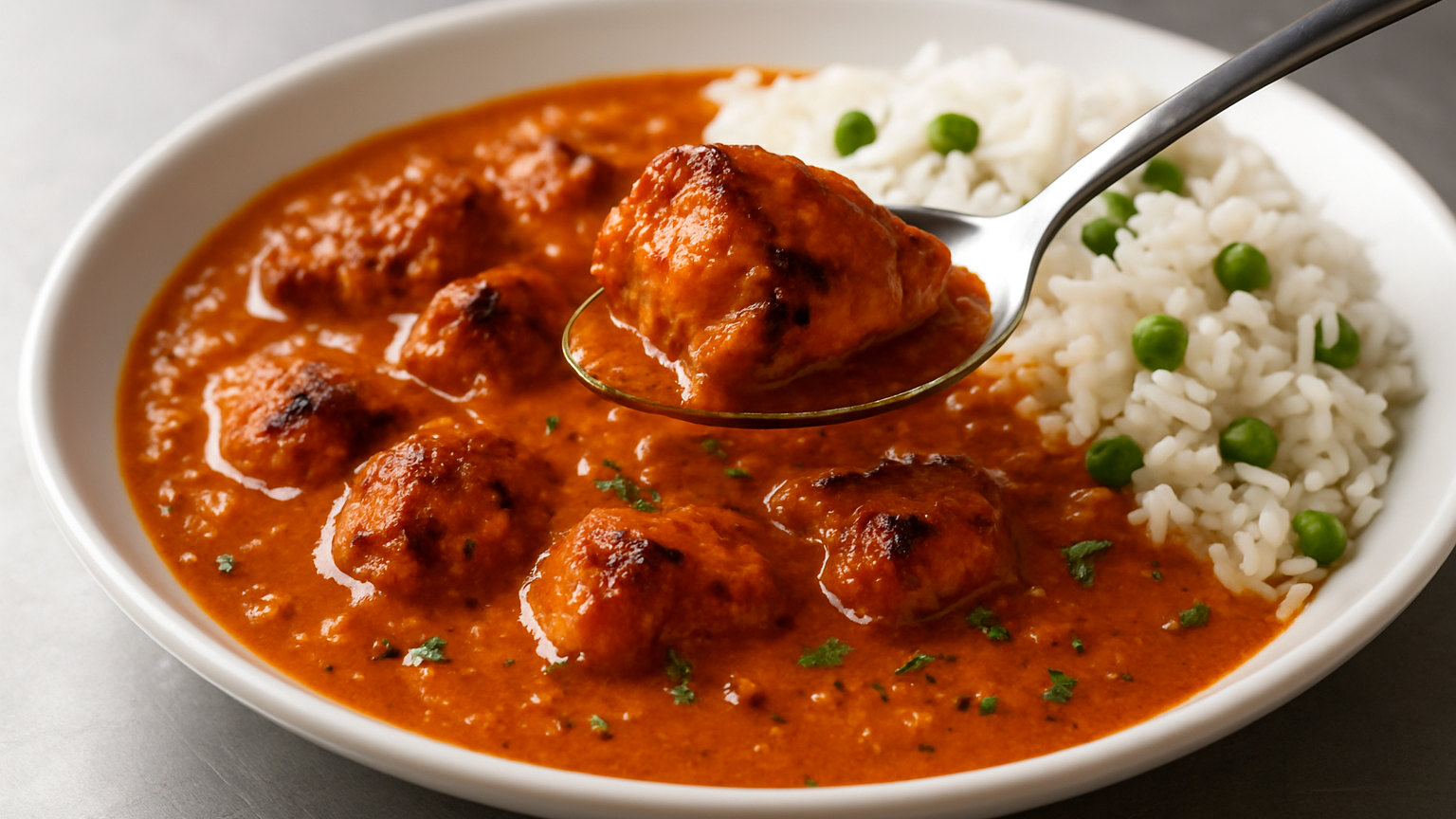
How to Make Chicken Tikka Masala at Home
The dish is two recipes rather than one. Char the marinated chicken separately under a fierce heat, then build the sauce, and only bring them together at the end.
Britain's most ordered curry - the marinade, the char you need before the sauce, and how to get the colour without food dye.
The dish is two recipes rather than one. Char the marinated chicken separately under a fierce heat, then build the sauce, and only bring them together at the end.
The Glasgow origin story is the famous one and the evidence for it is thin. What is clear is that the dish is British rather than Indian.
Tikka means pieces and refers to the marinated grilled chicken. Masala means a spice mixture and refers to the sauce. The dish name is simply both together.
A domestic grill on full power gets close, a very hot cast iron pan gets closer, and a barbecue gets closest of all. What matters is dry, fierce, direct heat.
An air fryer handles the tikka better than an oven and about as well as a grill, with less mess. The sauce still needs a pan.
The vivid orange of takeaway tikka masala usually comes from food colouring. Kashmiri chilli, paprika and tomato give a deeper red without it.
Yoghurt, garlic, ginger, Kashmiri chilli and salt are the load-bearing five. Everything else is refinement, and the two-stage version is worth the extra step.
Cashew paste, coconut milk or simply more tomato and butter will all carry the sauce. Removing the cream makes it sharper and more savoury.
Good tinned plum tomatoes beat fresh ones for most of the year, and passata beats both for smoothness. What matters more is how long you cook them.
Paneer takes the same marinade and the same char, and needs about half the cooking time. The trick is stopping it going rubbery under the grill.
Dried fenugreek leaf is the flavour people cannot place in a curry-house sauce. A tablespoon crushed in at the end changes the dish completely.
They share a method and diverge on fat, spice and origin. Butter chicken is smoother, sweeter and more buttery; tikka masala is spicier and more onion-led.