Which Coconut Milk Should You Buy?
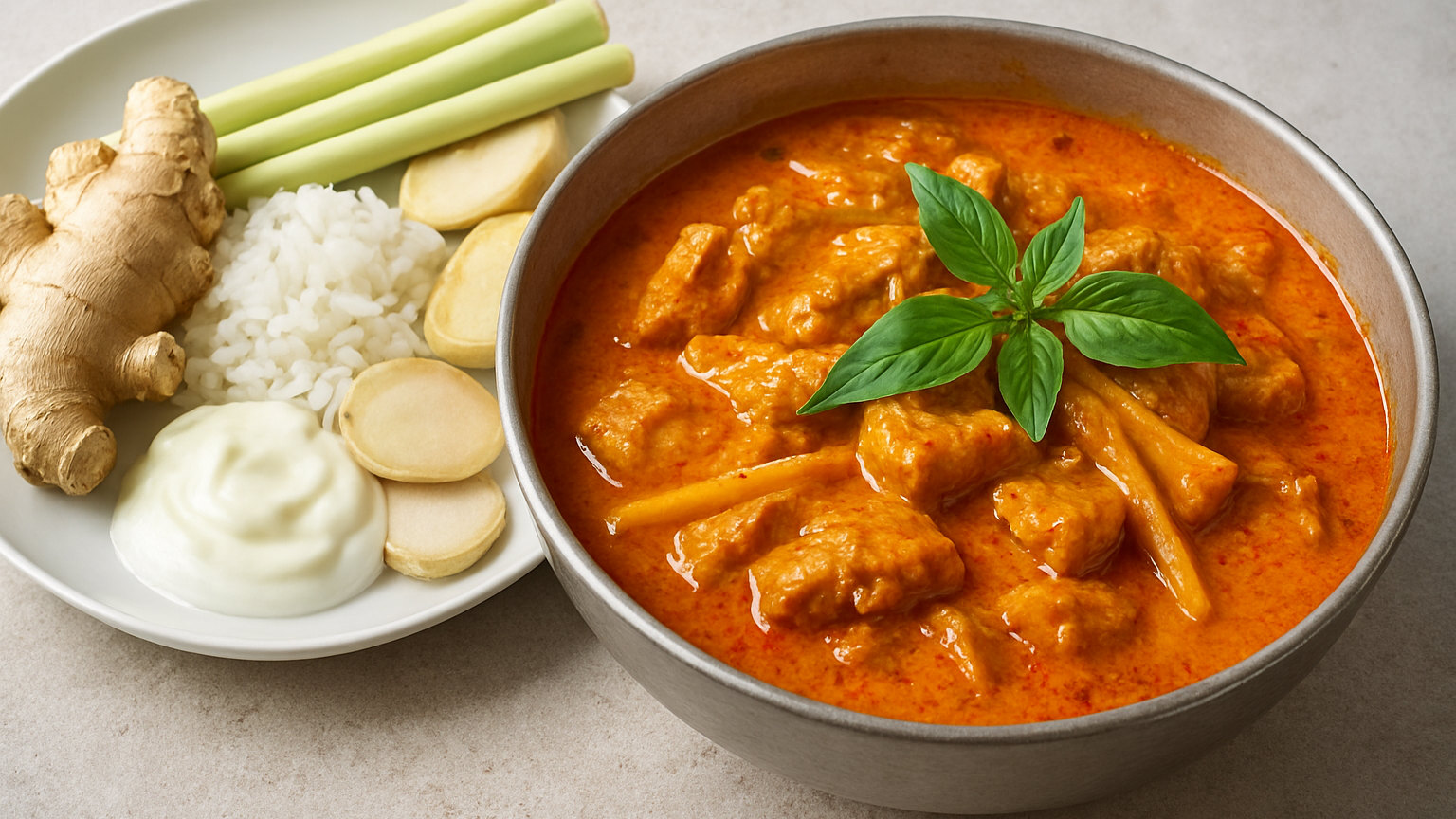
Full fat, seventy per cent extract or higher, and no emulsifiers. Those three things on the label decide whether a curry works.
By Curry Recipes Team
2 Jul 2025

Ghee, tamarind, coconut milk, fish sauce, paneer and asafoetida - what to buy, what to substitute, and what not to bother with.
Full fat, seventy per cent extract or higher, and no emulsifiers. Those three things on the label decide whether a curry works.
Butter with the water and milk solids removed, so it fries hot without burning. For most curries oil works, and for some dishes ghee is the point.
The sour ingredient that makes rich curries taste finished. Paste, block and concentrate are three different products and the quantities are not the same.
Two ingredients on the label and nothing else. It supplies salt and savoury depth, and in a finished dish nobody can tell it is there.
A fresh cheese that does not melt, which is exactly why it works in a curry. Brown it first or it stays bland and squeaky.
Neutral oil for most things, ghee where it is tasted, coconut oil for the south. Olive oil is the one genuinely wrong answer.
Full fat and plain. Low-fat splits on contact with a hot pan, and anything flavoured or set will not behave at all.
Whole plum tomatoes crushed by hand beat chopped ones. Fresh is better for some dishes and worse for others, and it is worth knowing which.
Asian grocers, fresh or frozen, and freeze whatever you do not use. Dried curry leaves have lost the point and are barely worth having.
All three balance rather than sweeten. Palm sugar and jaggery carry a caramel depth that white sugar does not, and the quantities are small.
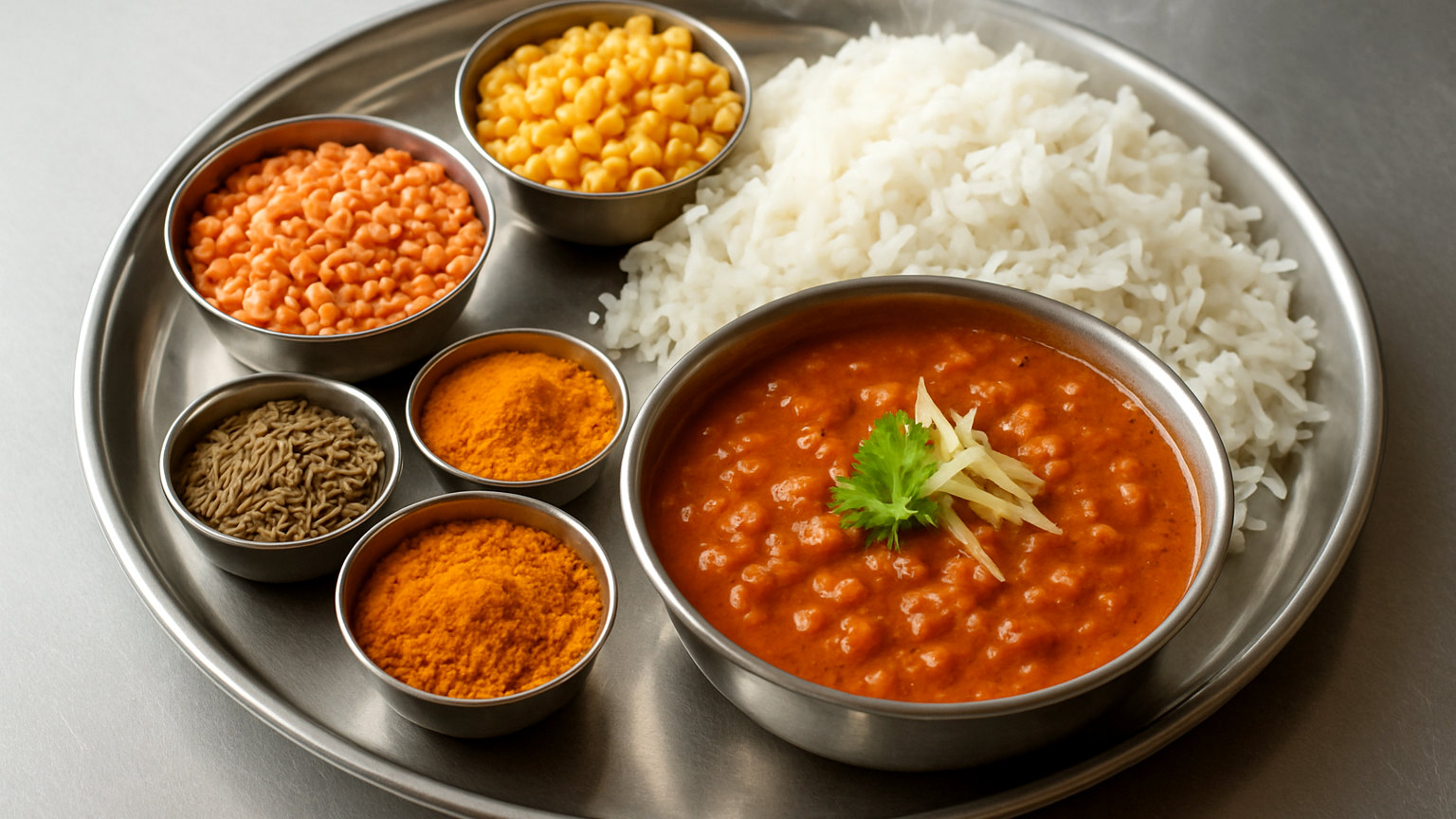
Red lentils collapse in twenty minutes, chana dal stays firm and needs soaking. Using one where a recipe wants the other changes the dish completely.
Buy them when you see them and freeze what you do not use. All three freeze well and none of them substitutes for another.