How to Make Japanese Vegetable Curry
The sauce is thick enough to hold vegetables in suspension, which is both the appeal and the difficulty. Add them in order rather than all at once.
By Curry Recipes Team
17 Dec 2025

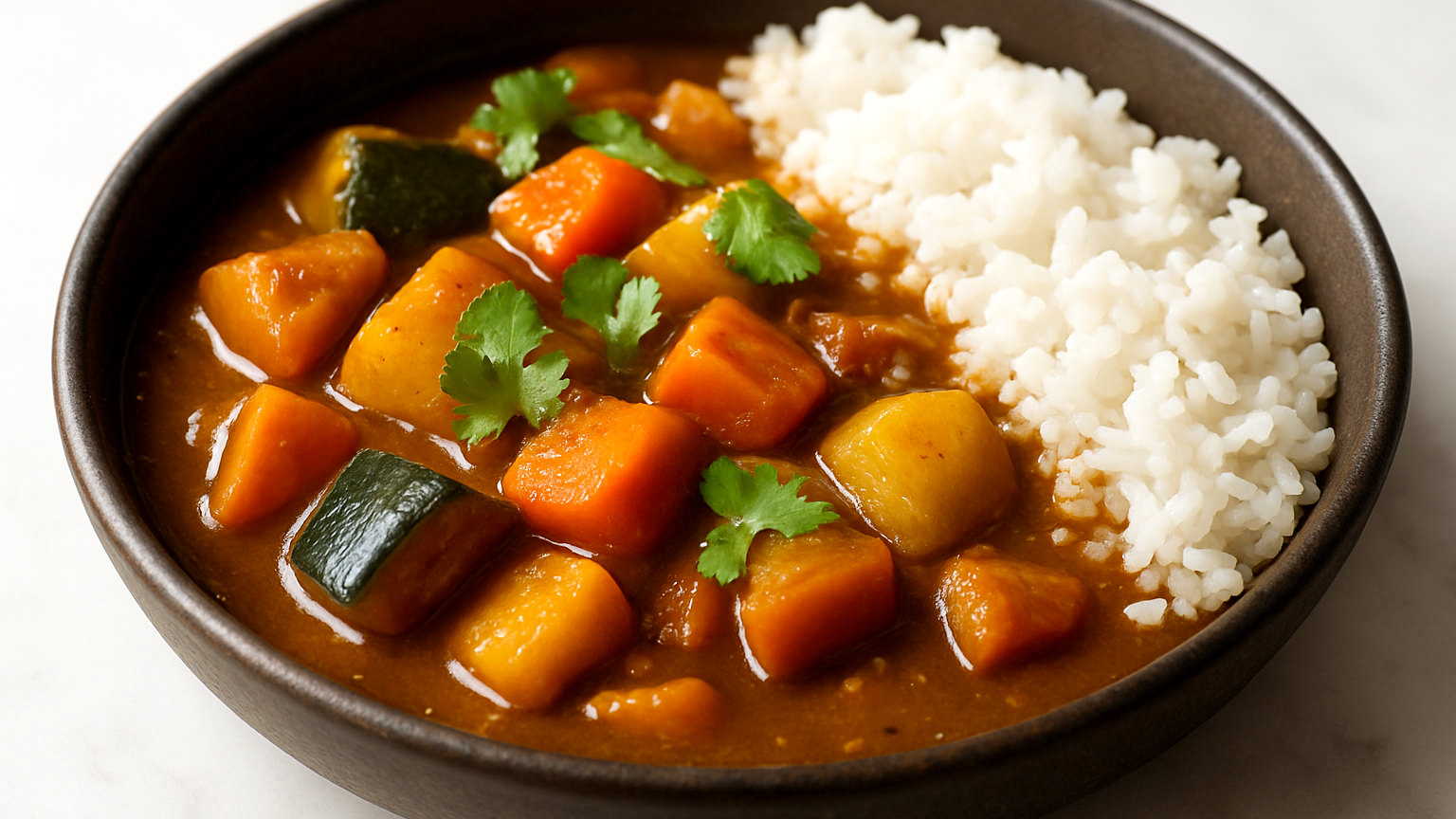
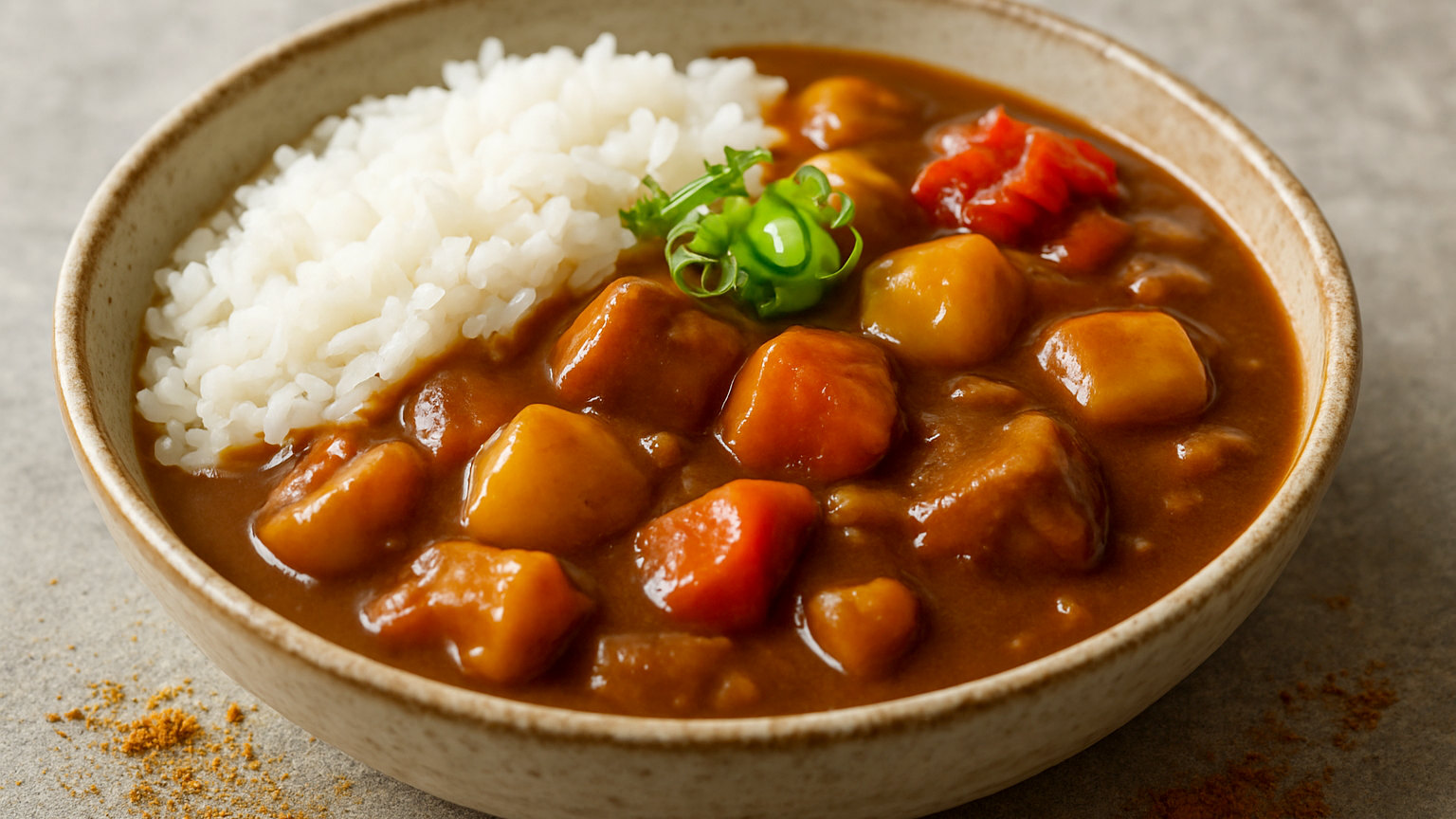
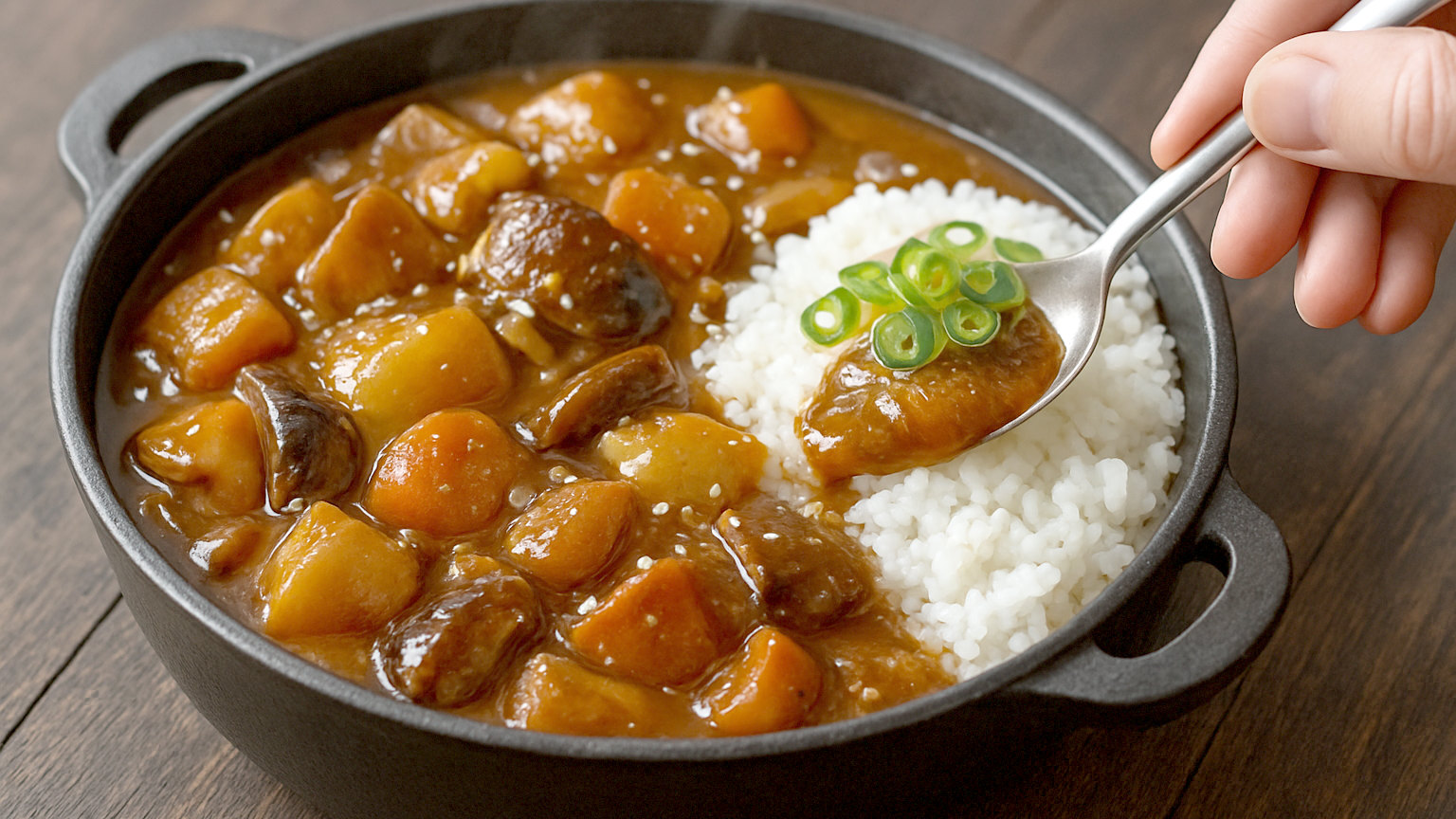
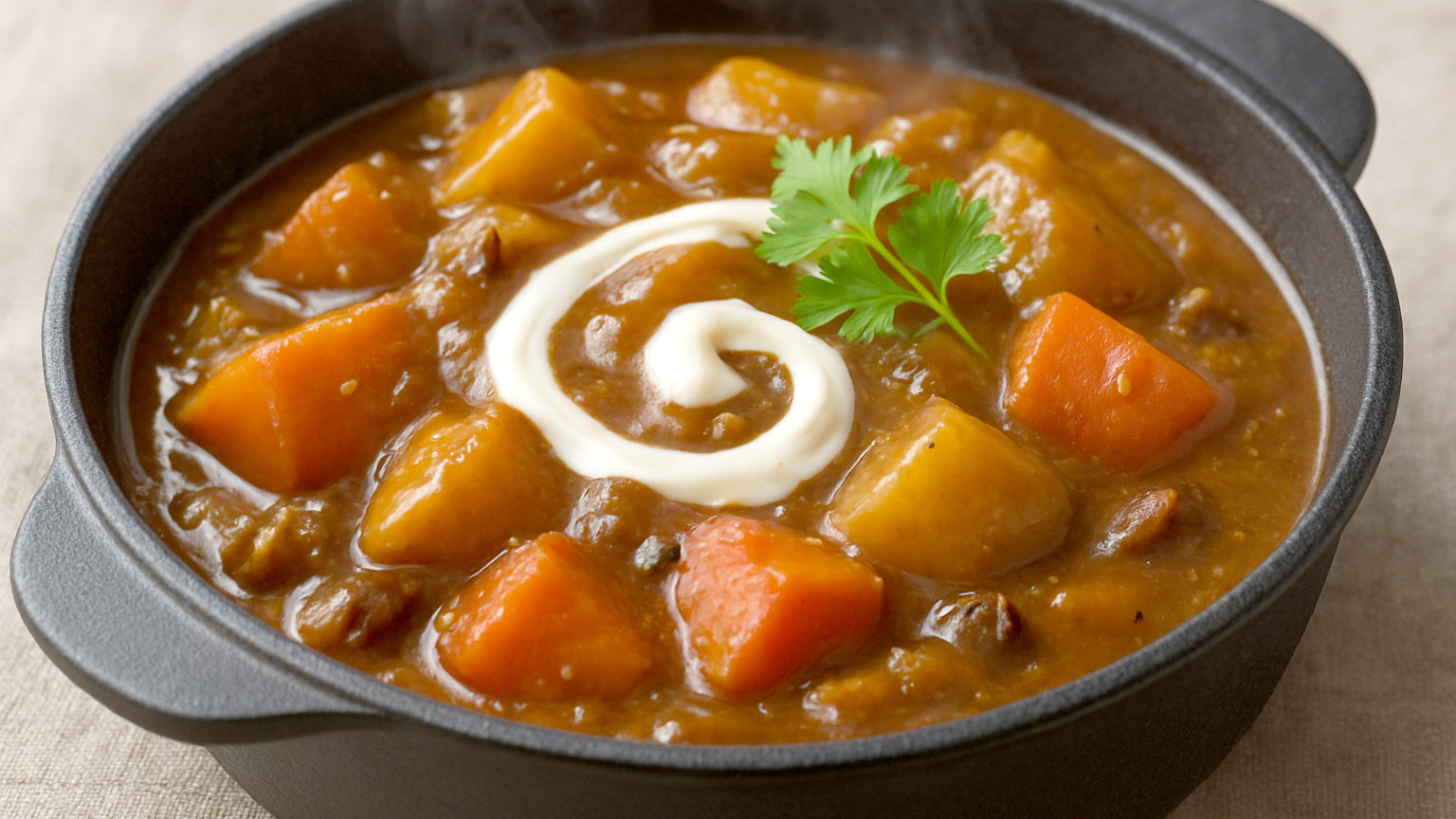
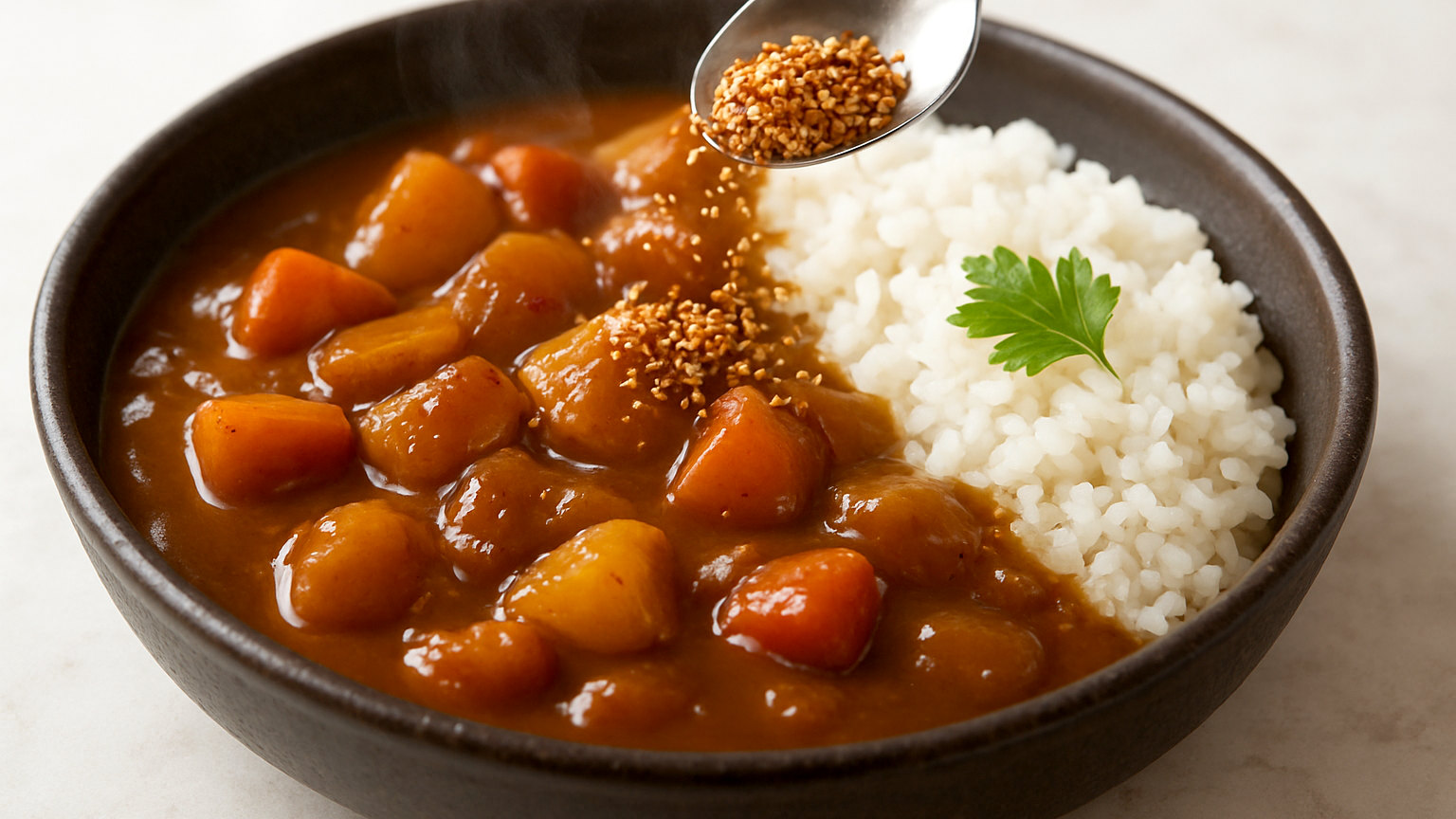
Aubergine, sweet potato, kabocha and mushroom - vegetables that hold their shape in a sauce this thick.
The sauce is thick enough to hold vegetables in suspension, which is both the appeal and the difficulty. Add them in order rather than all at once.
Dense ones with low water content. Kabocha, sweet potato, carrot and waxy potato survive a thick sauce; courgette and broccoli do not.
A dense sweet Japanese squash with edible skin and a chestnut-like texture. It holds its shape better than butternut and is worth seeking out.
Aubergine crumbs better than any other vegetable and turns silky under the crust. Salt it first, or the coating slides off in the oil.
Added too early, cut too small, or the wrong vegetable entirely. In a sauce this thick there is no rescuing them once they have gone.
Dried shiitake, kombu and miso between them replace what a braise would have contributed. Browning the vegetables first does the rest.
Two sweet dense vegetables that suit the sauce better than anything else. Roast them first and the curry gains a depth simmering cannot give it.
Usually not, and rarely in a way the packaging makes clear. Beef extract, chicken extract and lard all appear well down the ingredient list.
Mushrooms supply the savoury weight meat would have, provided they are browned hard first. Undercooked they simply release water into the sauce.
Three substitutions: oil for butter, kombu and shiitake for dashi, and a homemade roux for the block. None costs much in flavour.
Small pieces of squash, sweet potato and aubergine, crumbed and fried, with the sauce served for dipping so nothing goes soft.
Shiitake dried for the stock and fresh for texture, chestnut for reliability, and shimeji for their firm bite. Enoki are the one to avoid.