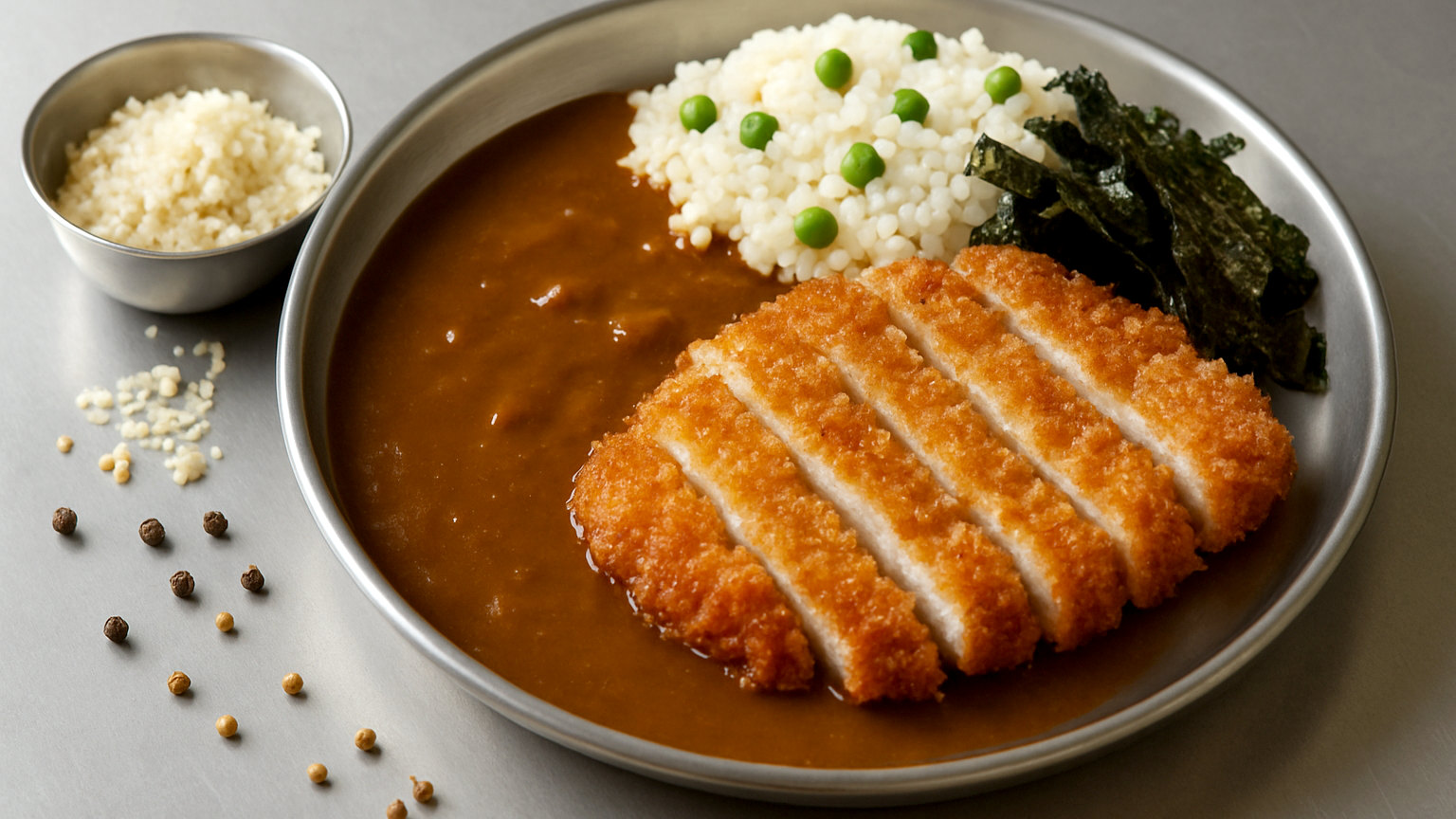
The assumption that a curry roux block is vegetarian is understandable and usually wrong. Most mainstream Japanese brands contain animal-derived ingredients, and none of it is prominent on the front of the box.
What is typically in them?
- Beef extract or beef fat - common in the standard varieties.
- Chicken extract - frequent in milder blends.
- Pork lard - used as the fat in some brands.
- Dairy - milk powder or butter, which matters for vegans specifically.
- Honey - occasionally, again a vegan rather than vegetarian issue.
The palm oil most blocks use as the base fat is itself plant-derived, which is part of why people assume the whole product is.
Why is it not obvious?
Because these appear as extracts or seasonings rather than as recognisable meat, and they sit well down a long ingredient list. A box showing vegetables on the front can still contain beef extract in the twelfth position.
Imported products also carry labelling in varying formats, and translated ingredient lists are not always complete.
Are there vegetarian versions?
Yes, and they are increasingly available. Several Japanese manufacturers produce blocks marked as vegetarian or vegan, and some are certified for temple cooking, which is a stricter standard again since it excludes onion and garlic.
Asian grocers and online suppliers stock them. Read the box rather than relying on the presence of vegetables in the photograph.
What about curry powder?
Japanese curry powder is almost always vegetarian, being a straightforward spice blend. It is the roux block that carries the animal ingredients, since that is where the fat and the savoury seasonings sit.
That distinction is useful, because it means making the roux yourself with curry powder sidesteps the problem entirely.
Is making it yourself difficult?
Twenty minutes and five ingredients: butter or oil, flour, curry powder, and whatever savoury additions you choose. It removes the labelling question completely and produces a better sauce besides.
For a vegan version, use oil or a plant butter in place of dairy butter, and check that the curry powder contains no anticaking agents you object to.
What else should you check?
Tonkatsu sauce and Worcestershire sauce both frequently contain anchovy, which catches people out since neither tastes of fish. Dashi is made from bonito and is not vegetarian unless specifically made from kombu and shiitake.
Mirin, sake, soy sauce and miso are all plant-based, so the seasoning cupboard is mostly safe once those two are addressed.
Does it matter for flavour?
A vegetarian block tastes noticeably lighter than a standard one, since beef extract contributes real savoury weight. Compensating with shiitake liquid, kombu and a little miso closes most of that gap, which is worth doing whichever route you take.
What about the milder varieties?
The mild grades sold for children are no more likely to be vegetarian than the others, and several contain chicken extract specifically. Mildness refers to the chilli level rather than the ingredient list, and the two are unrelated.
Is there a reliable way to check?
Read the full ingredient list on the back, and look for a vegetarian or vegan mark rather than inferring from the packaging. If a box carries only Japanese labelling and no translated list, treat it as containing animal ingredients unless you can confirm otherwise.
Does it differ by country?
Formulations vary between the Japanese domestic market and export versions, so a box bought in Britain may not match one bought in Japan under the same brand. Read the specific packet in front of you rather than relying on what a brand contained previously.
What about restaurant curry?
A vegetable curry on a Japanese restaurant menu is very often made with the standard roux and is therefore not vegetarian. It is worth asking rather than assuming, since the kitchen may not consider beef extract in a block to be a meat ingredient worth mentioning.
Does the fat matter separately?
For vegans, yes. Several blocks use palm oil, which is plant-based, and others use beef tallow or lard. A block can therefore be free of meat extract and still contain animal fat, so the fat listing is worth checking as a separate item rather than assuming it follows from the rest.