Absorption or Boiling: Which Method for Rice?
Absorption gives fluffier separate grains and needs the ratio right. Boiling is more forgiving and loses a little starch and flavour.
By Curry Recipes Team
24 May 2025

Basmati, jasmine and short-grain, pilau and lemon rice, and reheating rice safely - which matters more than most people know.
Absorption gives fluffier separate grains and needs the ratio right. Boiling is more forgiving and loses a little starch and flavour.
Rinse, soak, measure, and then leave it alone. Four steps and the only difficult one is not lifting the lid.
Because it lengthens the grains rather than letting them swell sideways and split. Twenty minutes changes the finished texture noticeably.
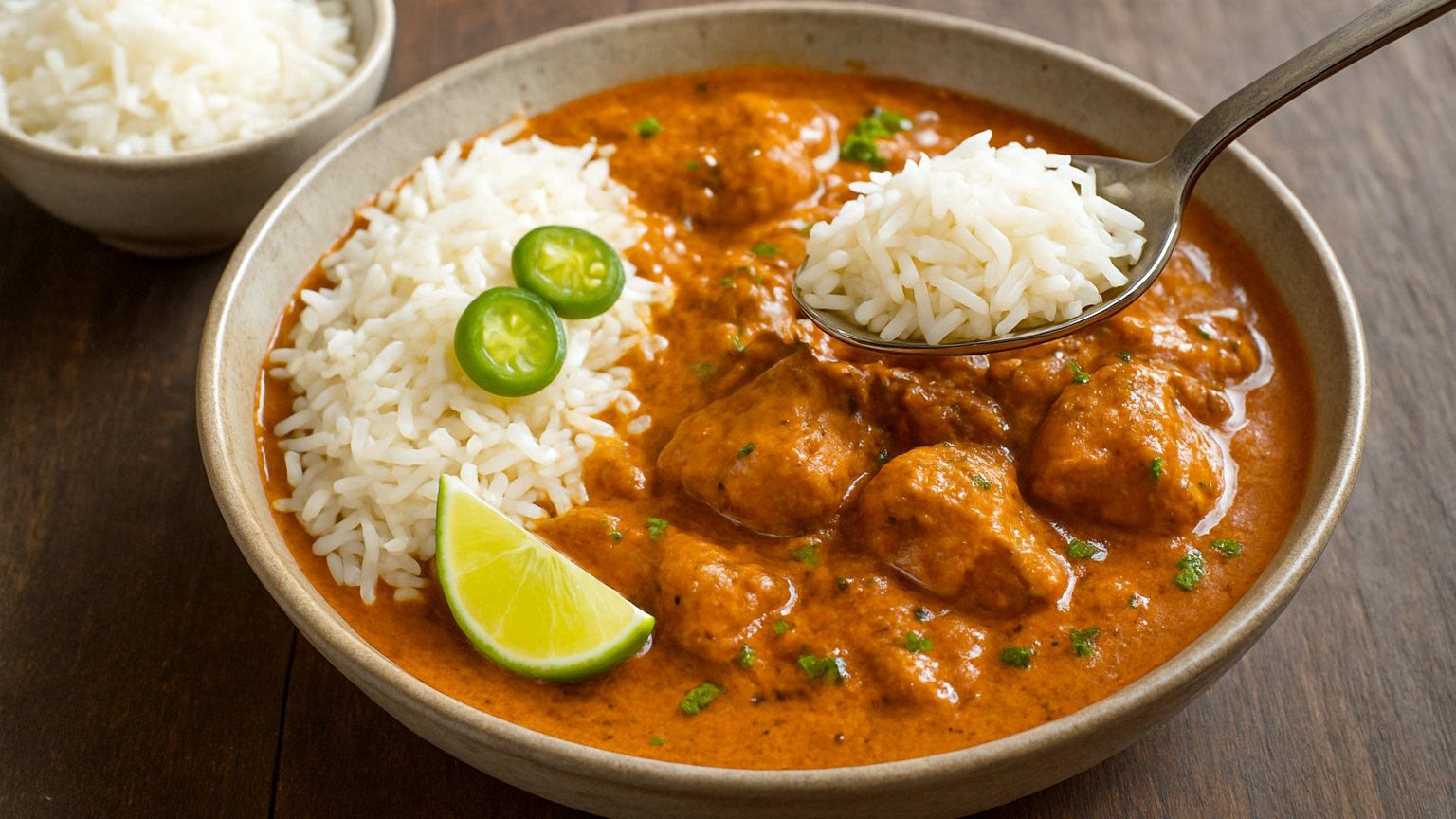
Basmati for Indian and Pakistani food, jasmine for Thai. They are not interchangeable and the difference is obvious on the plate.
Cumin seeds fried in ghee, then rice cooked in the same pan. Five minutes more work than plain rice and considerably better with a dry curry.
Around 1.5 to 1 for soaked basmati, not the 2 to 1 the packet says. Soaking changes it and almost no packet accounts for that.
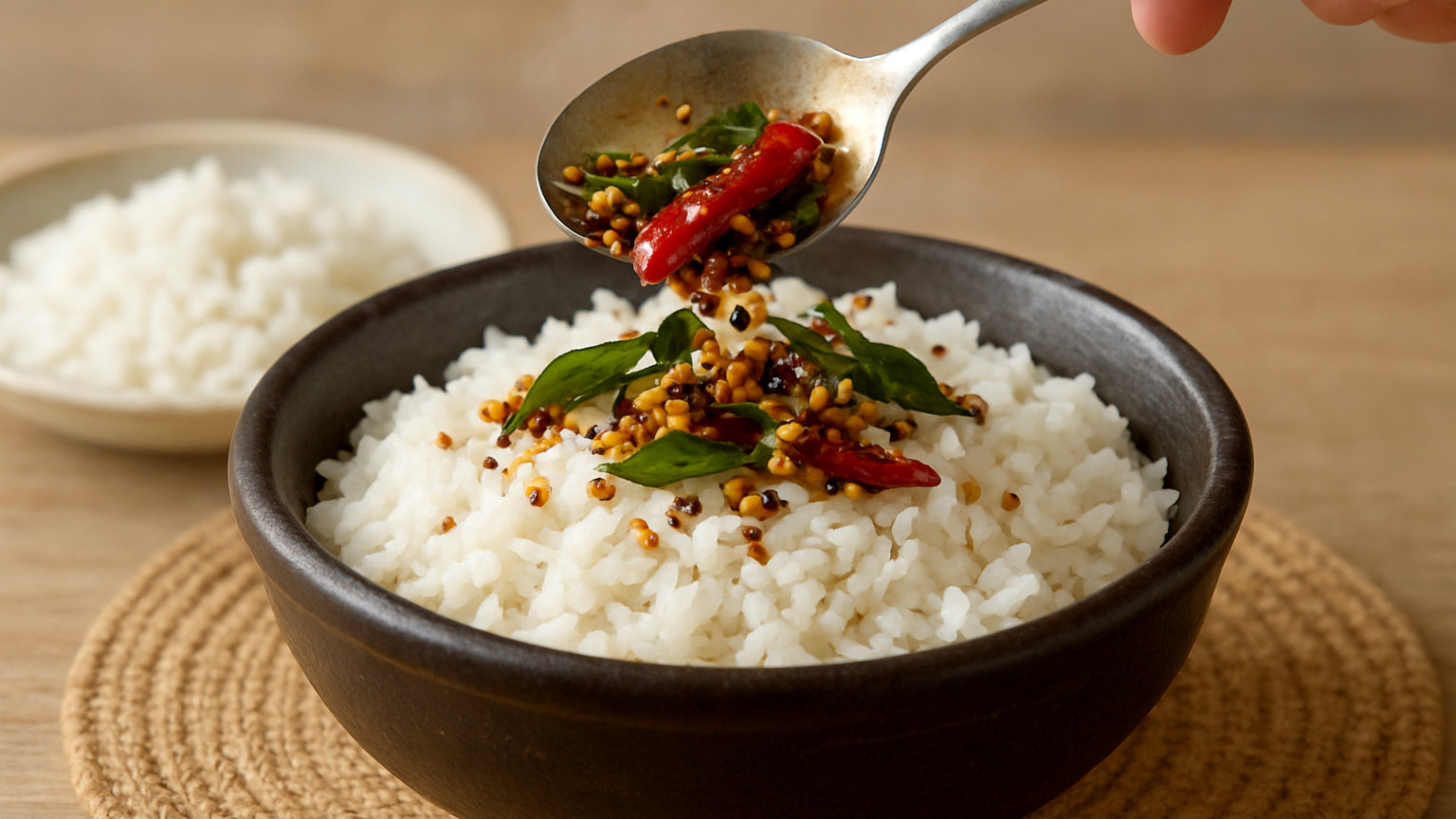
Cooked rice tossed through a tempering of mustard seeds, curry leaves and turmeric, then finished with lemon off the heat.
Too much water, not enough rinsing, or stirring it while it cooks. Three causes between them account for nearly every failure.
Rice cooked in coconut milk with a knotted pandan leaf. It catches more easily than plain rice and needs a genuinely low heat.
Cool it fast, refrigerate within an hour, use within a day and reheat once until steaming. The risk is real and entirely avoidable.
Around 75g of dry rice each, which roughly triples when cooked. Most people cook far too much and most recipes are vague about it.
If you cook rice more than twice a week, probably. It removes the timing entirely and handles coconut rice better than a pan does.