How to Make a Proper Tarka Dal
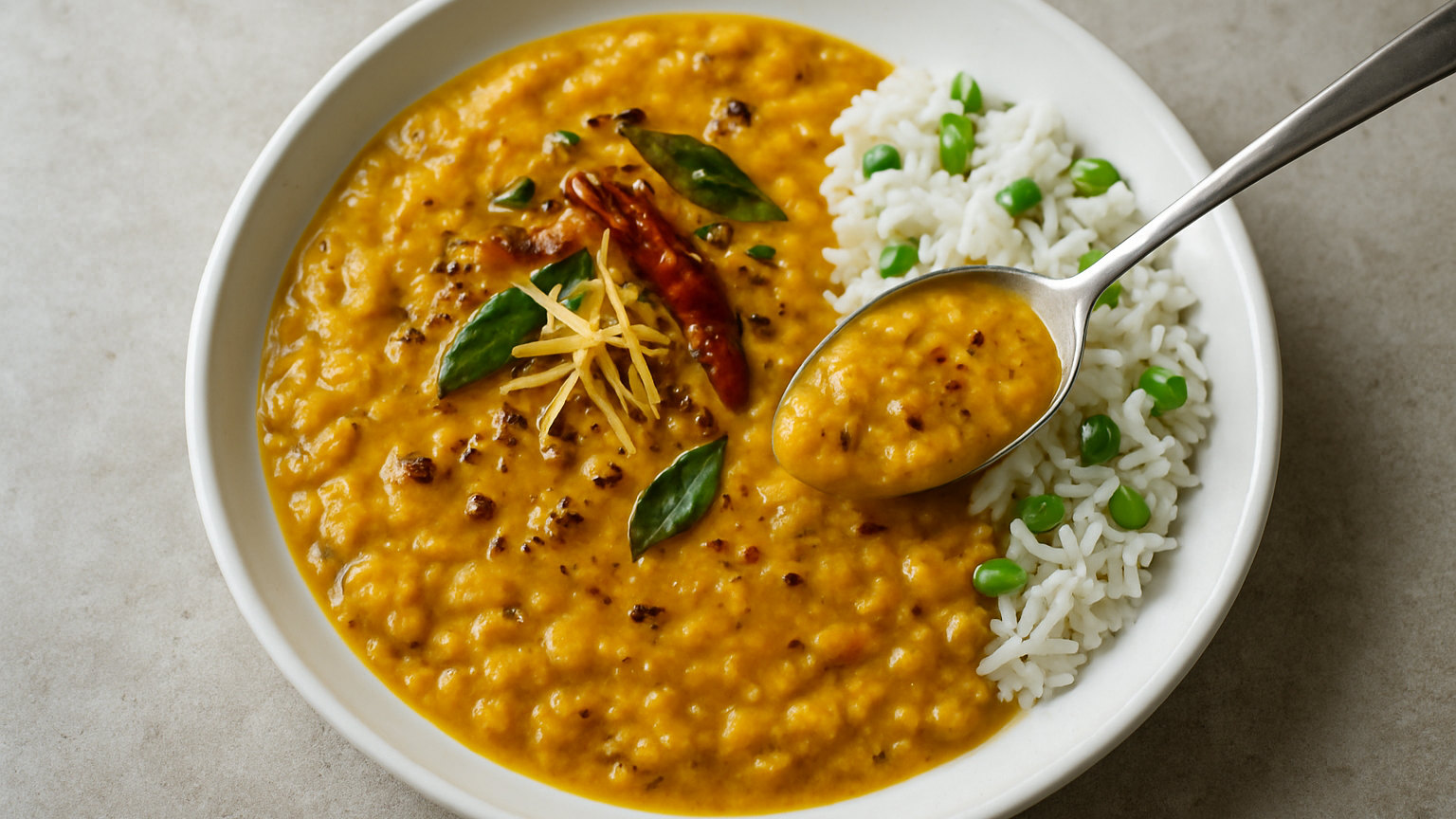
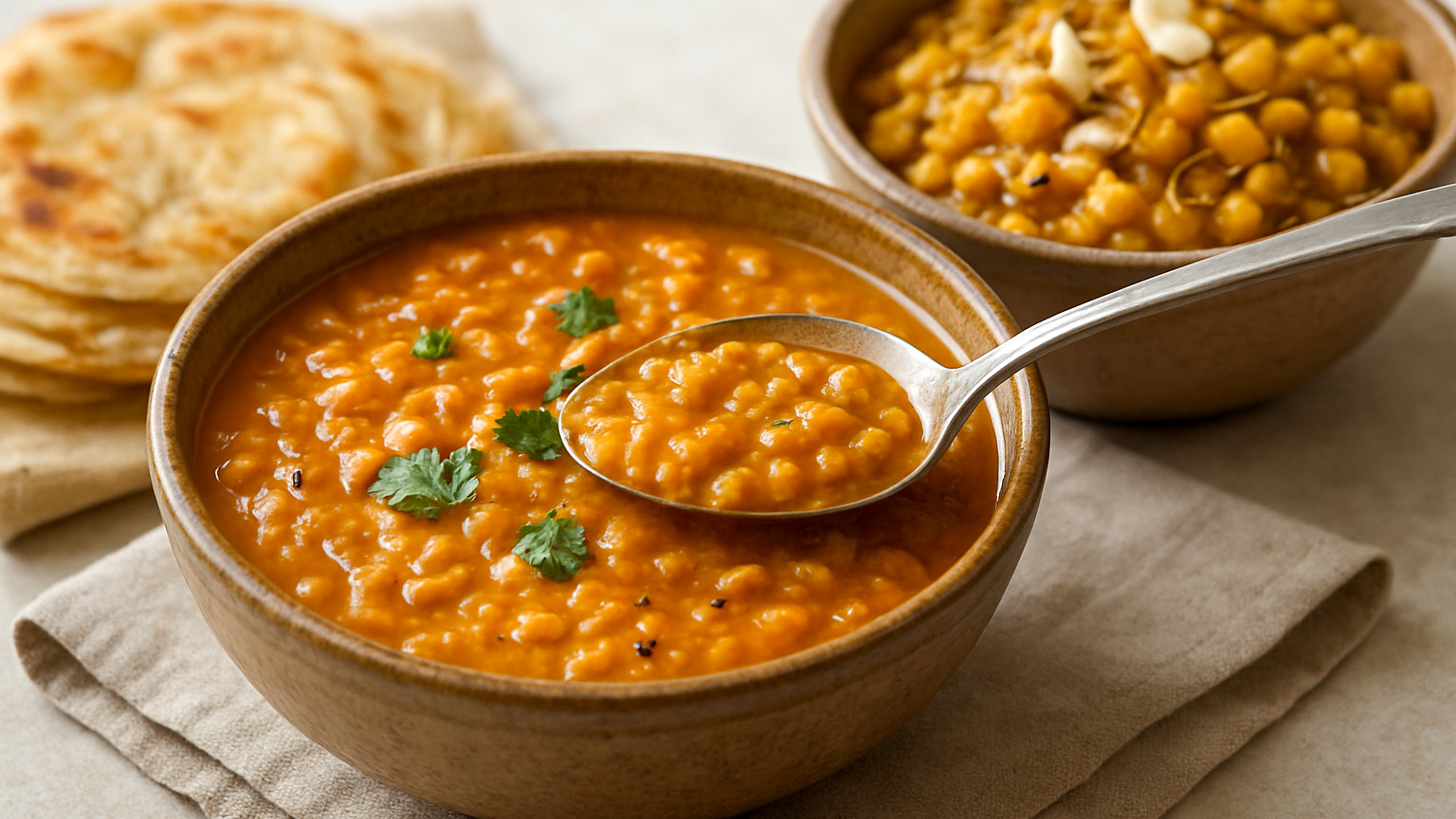
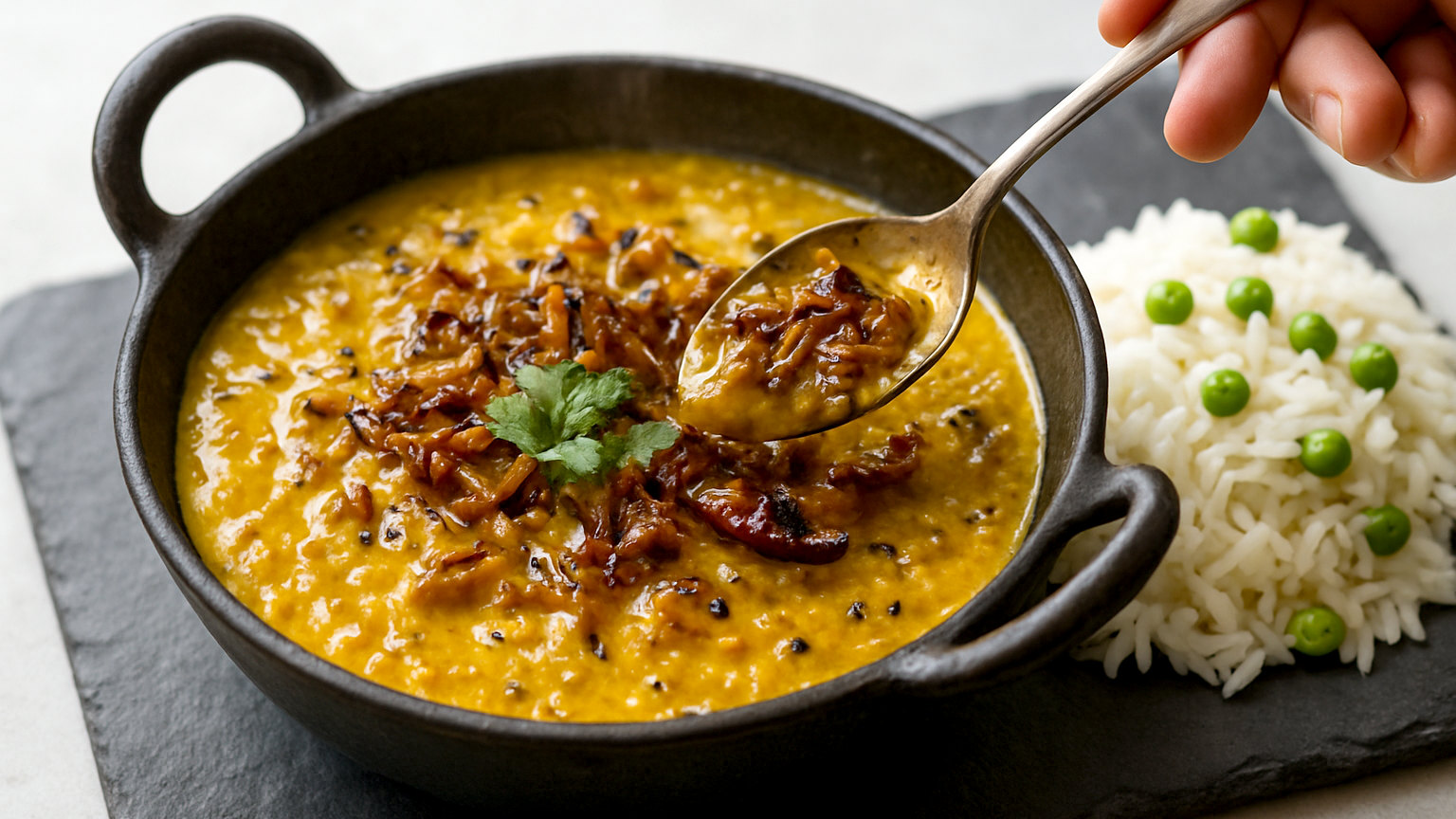
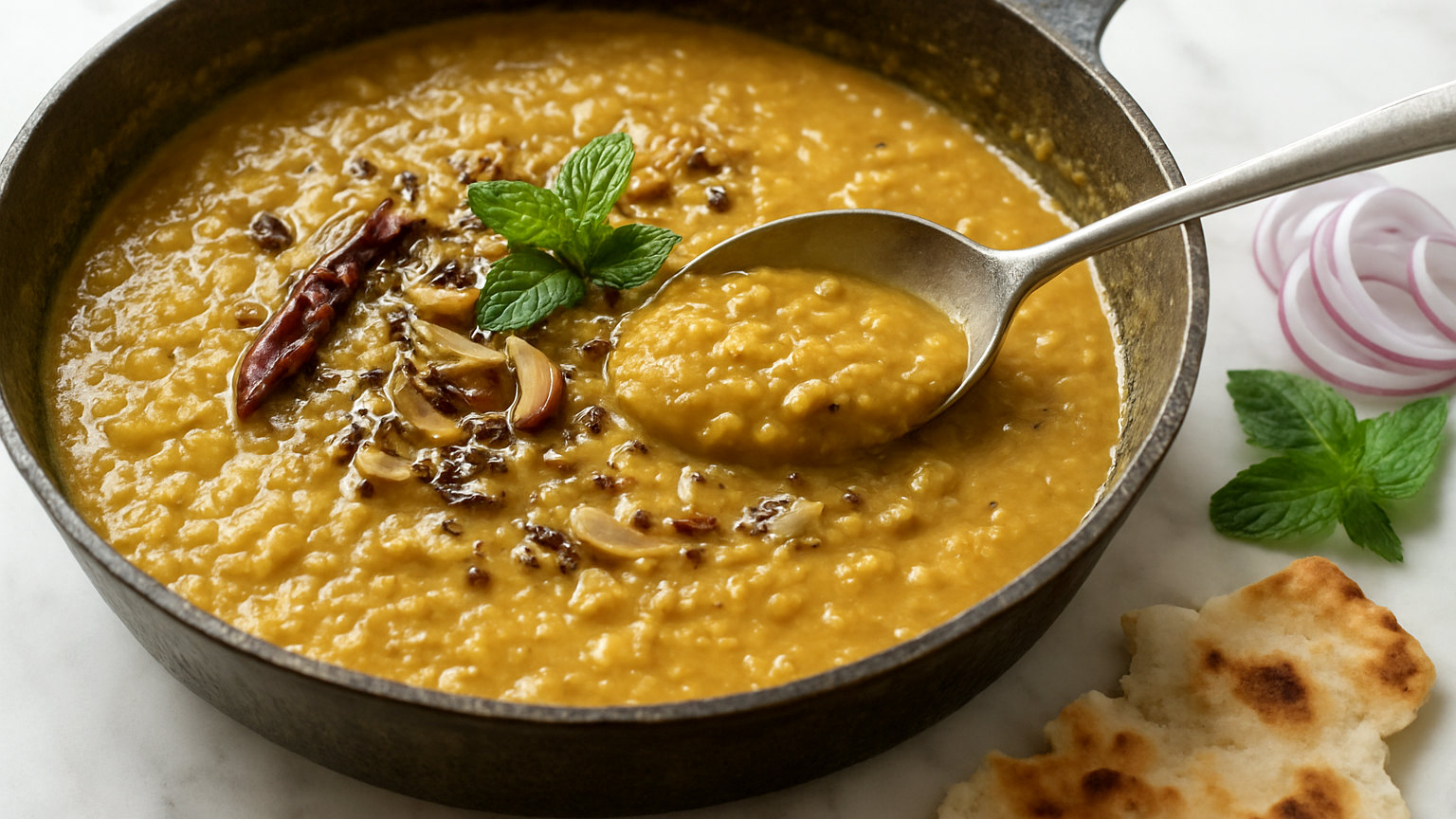
Dal is two separate operations. The lentils are boiled plainly with almost nothing in them, and all the flavour arrives in the last thirty seconds from a pan of hot fat.
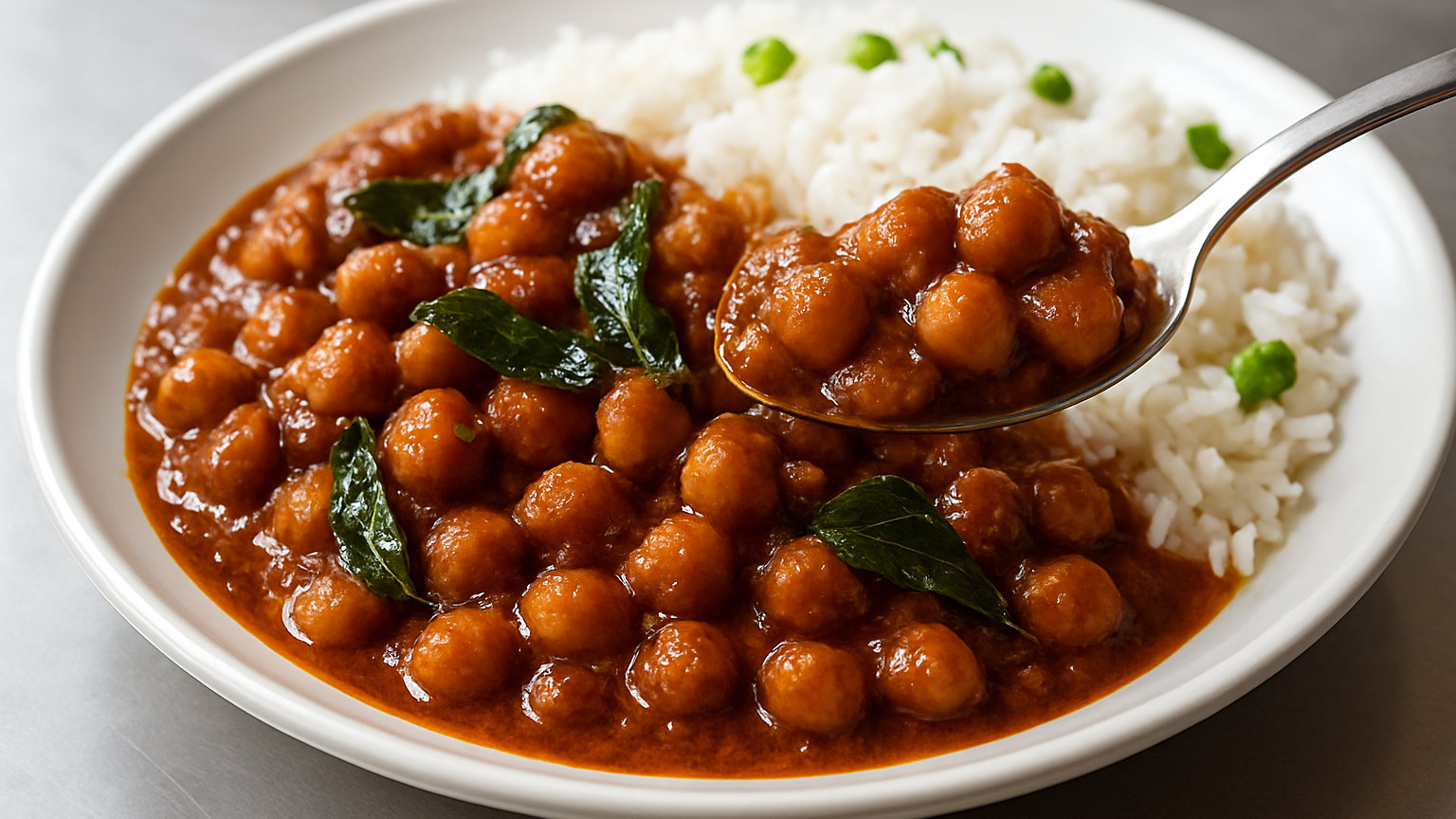
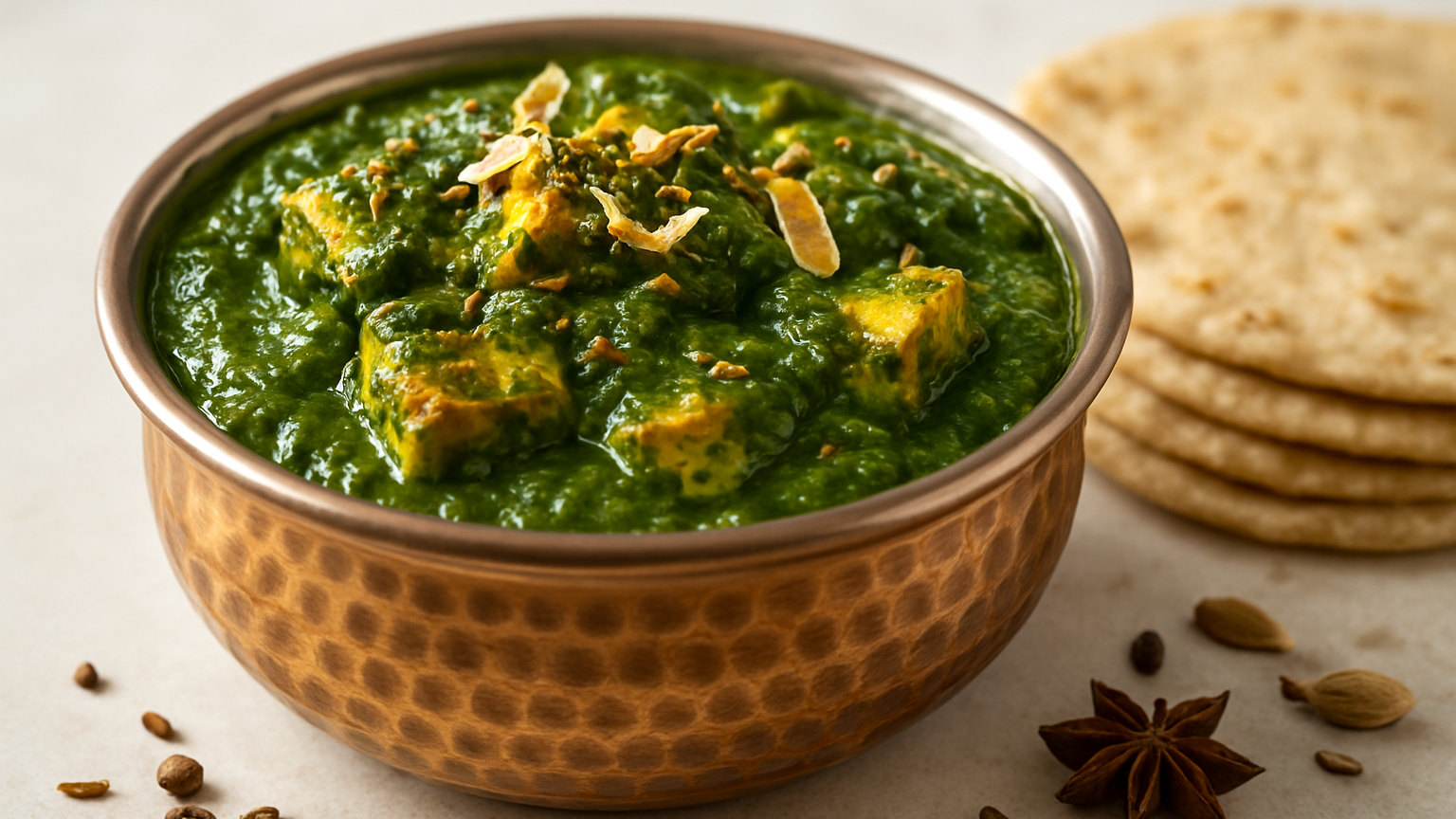
Dal, chana masala, saag paneer and vegetable curries that are the main event rather than an afterthought beside a meat one.
Dal is two separate operations. The lentils are boiled plainly with almost nothing in them, and all the flavour arrives in the last thirty seconds from a pan of hot fat.
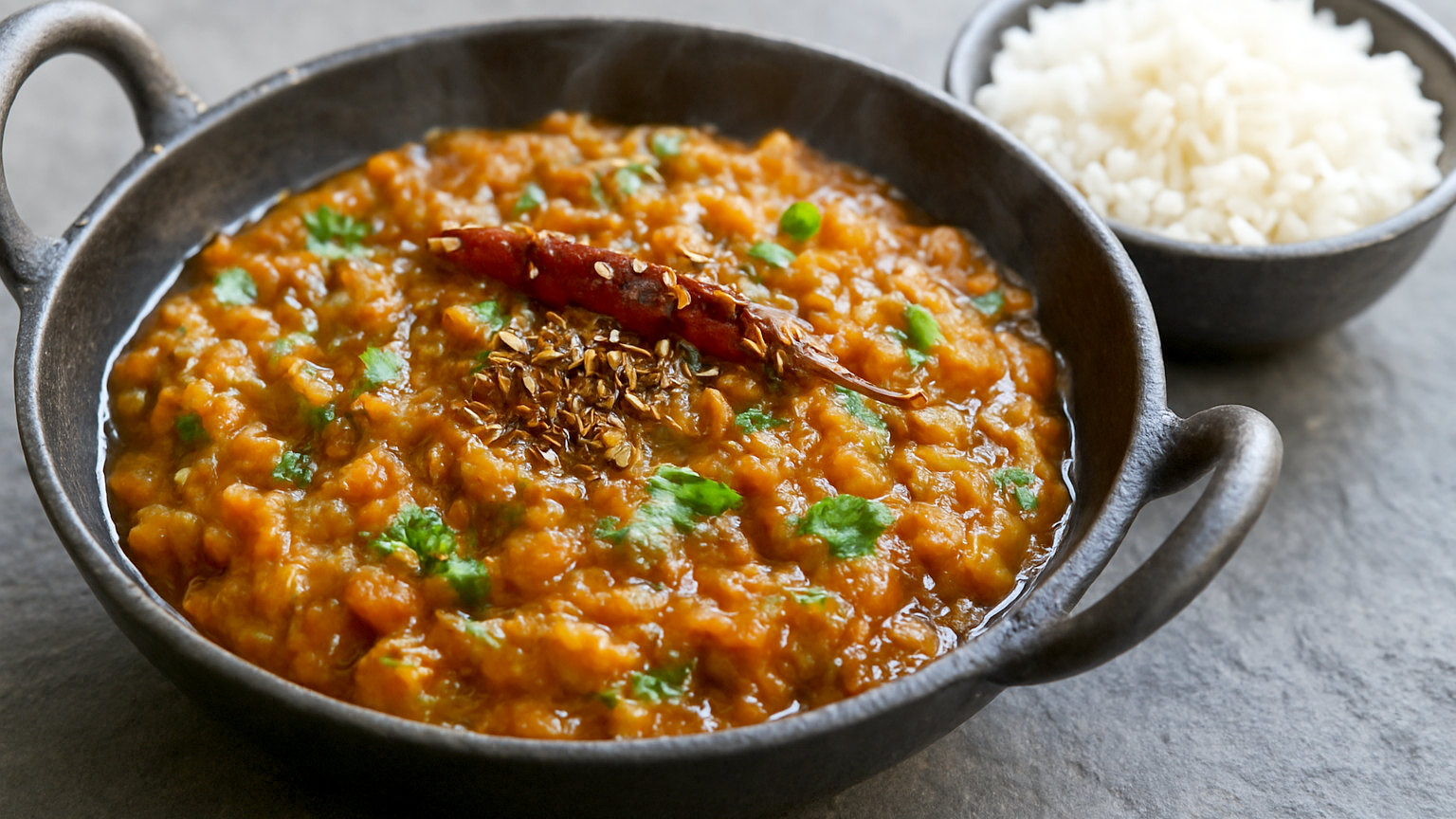
A tarka is spices bloomed in hot fat and poured over a finished dish. It takes forty seconds and it is the single most useful Indian technique to learn.
The sourness is what makes it, and it should come from amchoor or tamarind rather than from tomato alone. Tinned chickpeas are entirely acceptable.
The spinach should be blanched and shocked rather than wilted in the pan. That single step is the difference between vivid green and khaki brown.
Red split lentils collapse in twenty-five minutes, chana dal holds its shape for an hour, and the two are not interchangeable in any recipe.
From browning, from fermented and dried ingredients, and from fat. Indian vegetarian cooking has solved this problem thoroughly and none of the answers is a meat substitute.
It should be dry, with distinct pieces that have taken colour, rather than a wet stew. Roasting the vegetables first is the domestic route to that.
Tinned are fine for most curries. Dried are firmer, nuttier and much cheaper, and the only real cost is planning eight hours ahead.
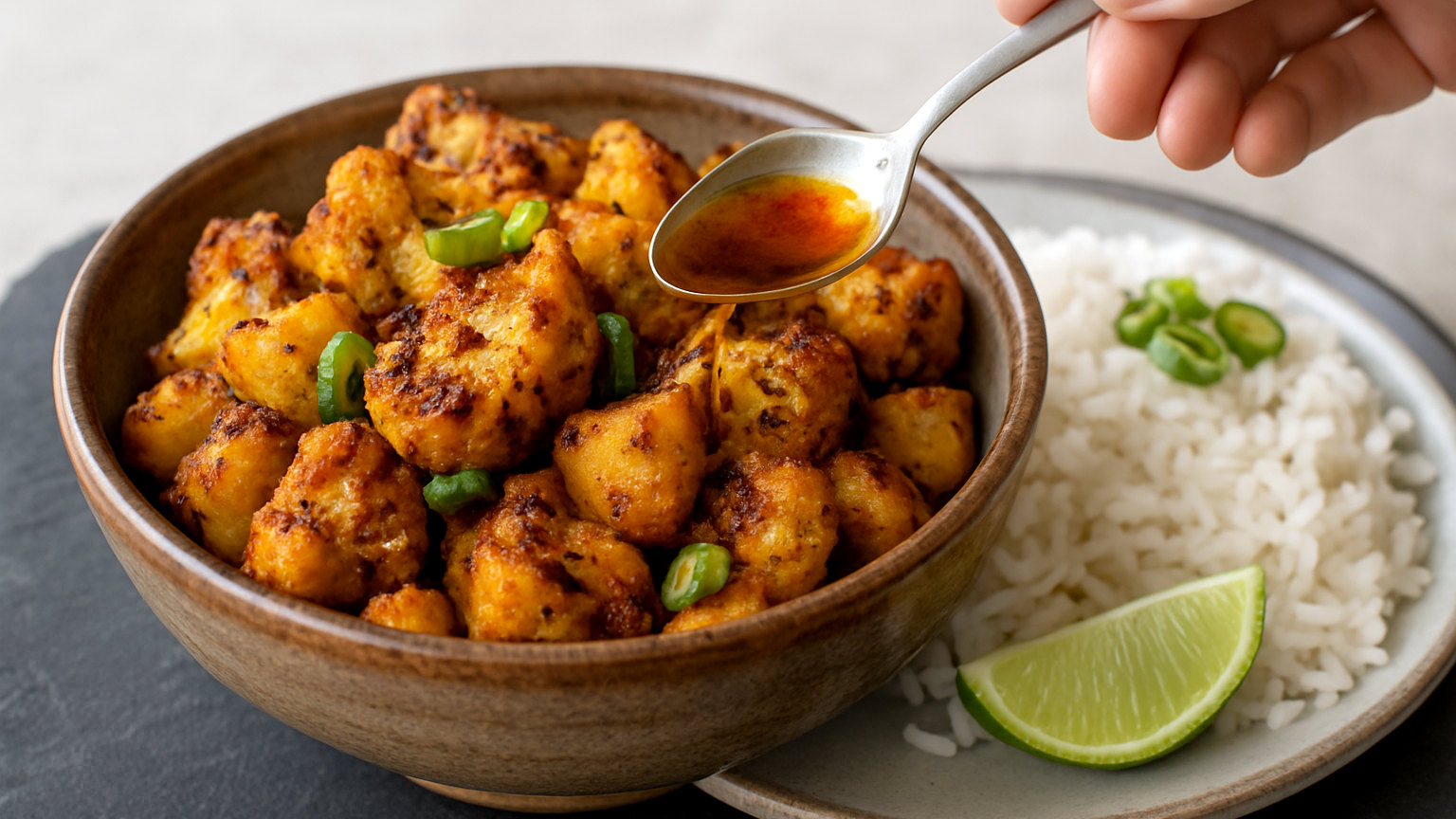
Parboil, then fry hard so the edges crisp. A Bombay potato that has only been simmered in sauce is missing the entire point of the dish.
Cook them separately and add them late. Almost every mushy vegetable curry comes from putting everything in one pan and hoping the timings align.
The aubergine is charred whole until the skin blackens and collapses, which is where the smoky flavour comes from. Roasting alone will not produce it.
The ones that hold their shape and take on browning. Cauliflower, aubergine, potato and squash lead; courgette and mushroom need more care than they usually get.