Pounding or Blending: Does It Really Matter?
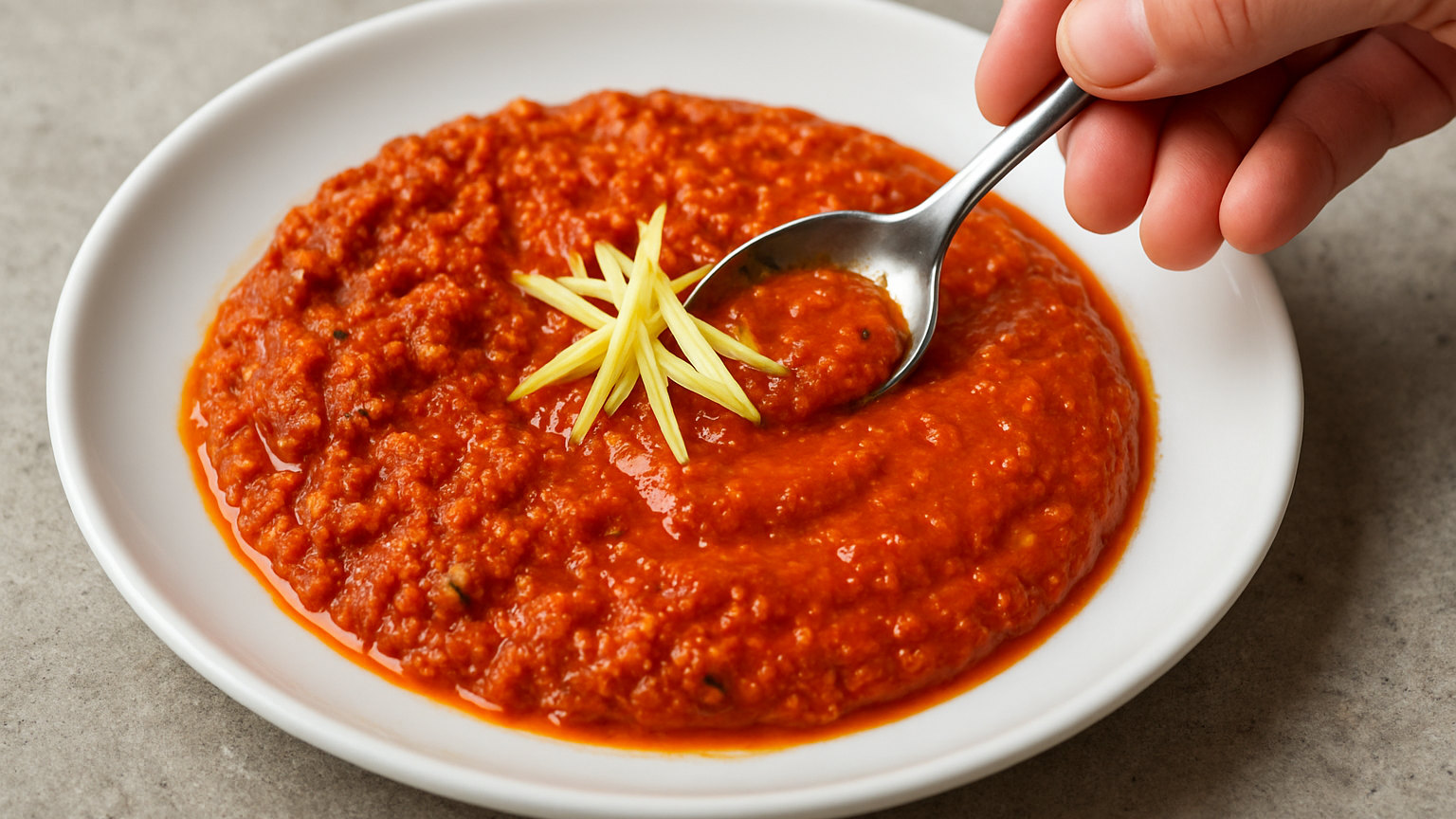
A mortar crushes and a blender chops, which does produce a different paste. The gap is smaller than purists claim and larger than nothing.
By Curry Recipes Team
6 Jun 2025

Thai, Malaysian and Indian pastes from scratch, how long they keep, and an honest ranking of the shop-bought jars.
A mortar crushes and a blender chops, which does produce a different paste. The gap is smaller than purists claim and larger than nothing.
Five jobs, filled differently by each cuisine. Once you can see the structure, an unfamiliar paste recipe stops looking like an arbitrary list.
A good Thai brand beats a mediocre homemade paste comfortably. Where making it wins is control over heat, salt and freshness.
Two of the three Indonesian base pastes. White for pale dishes such as opor, red for anything hot, and both fry down and freeze the same way.
Because it was not fried long enough. Almost every homemade curry paste is under-fried, and no amount of simmering afterwards will fix it.
Kashmiri chillies, garlic and whole spices ground with vinegar rather than water. The vinegar is what makes it a vindaloo and what makes it keep.
More than most recipes suggest. Two tablespoons of Thai paste for four is a starting point, and a Malaysian rempah is measured in whole shallots.
Raw pastes keep a week, fried ones keep two, and both freeze for three months. An ice cube tray is the single most useful piece of equipment.
Two marinades rather than one. A short salt and lemon rub first, then the yoghurt and spice paste, which is how restaurants get the flavour right through.
Within a cuisine, sometimes. Across cuisines, rarely. A Thai red paste in a rendang gives you neither dish and a confused version of both.
Northern Thai and quite unlike the pastes from Bangkok. Turmeric, black cardamom and curry powder give it a Burmese character no other Thai paste has.
A heavy granite mortar or a small blender, and a sharp knife. Everything else is optional and most kitchens already have enough.