How to Make a Durban Chicken Curry
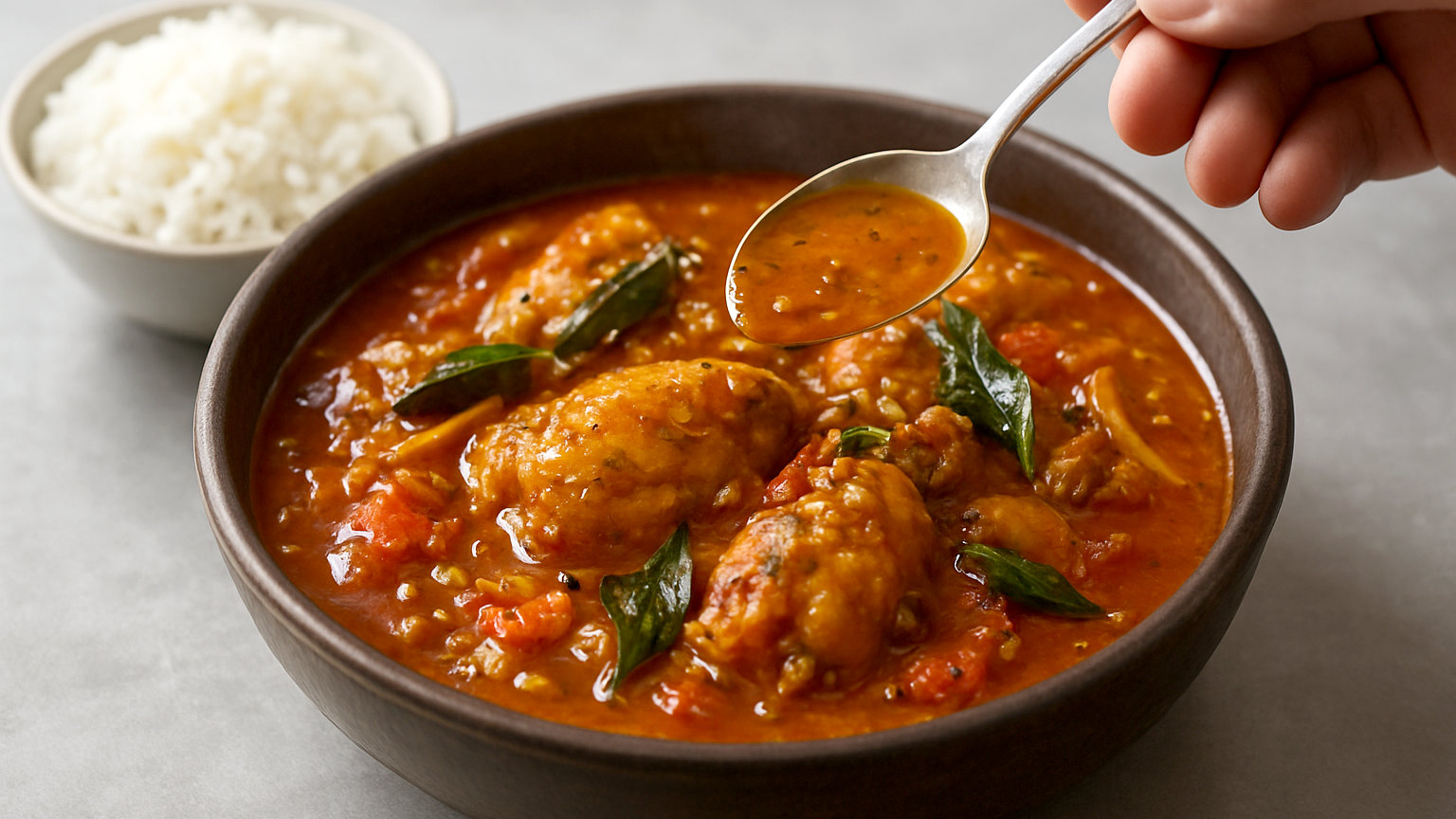
Fiercely hot, tomato-based and finished with a slick of red oil on top. No coconut, no cream and no apology for the chilli.
By Curry Recipes Team
9 Oct 2025

Durban and Cape Malay curries, bunny chow and East African coconut curries - fruit, sweetness and serious heat.
Fiercely hot, tomato-based and finished with a slick of red oil on top. No coconut, no cream and no apology for the chilli.
Chilli by the tablespoon rather than the teaspoon, and nothing in the dish to soften it. No coconut, no dairy and no nuts anywhere in the pot.
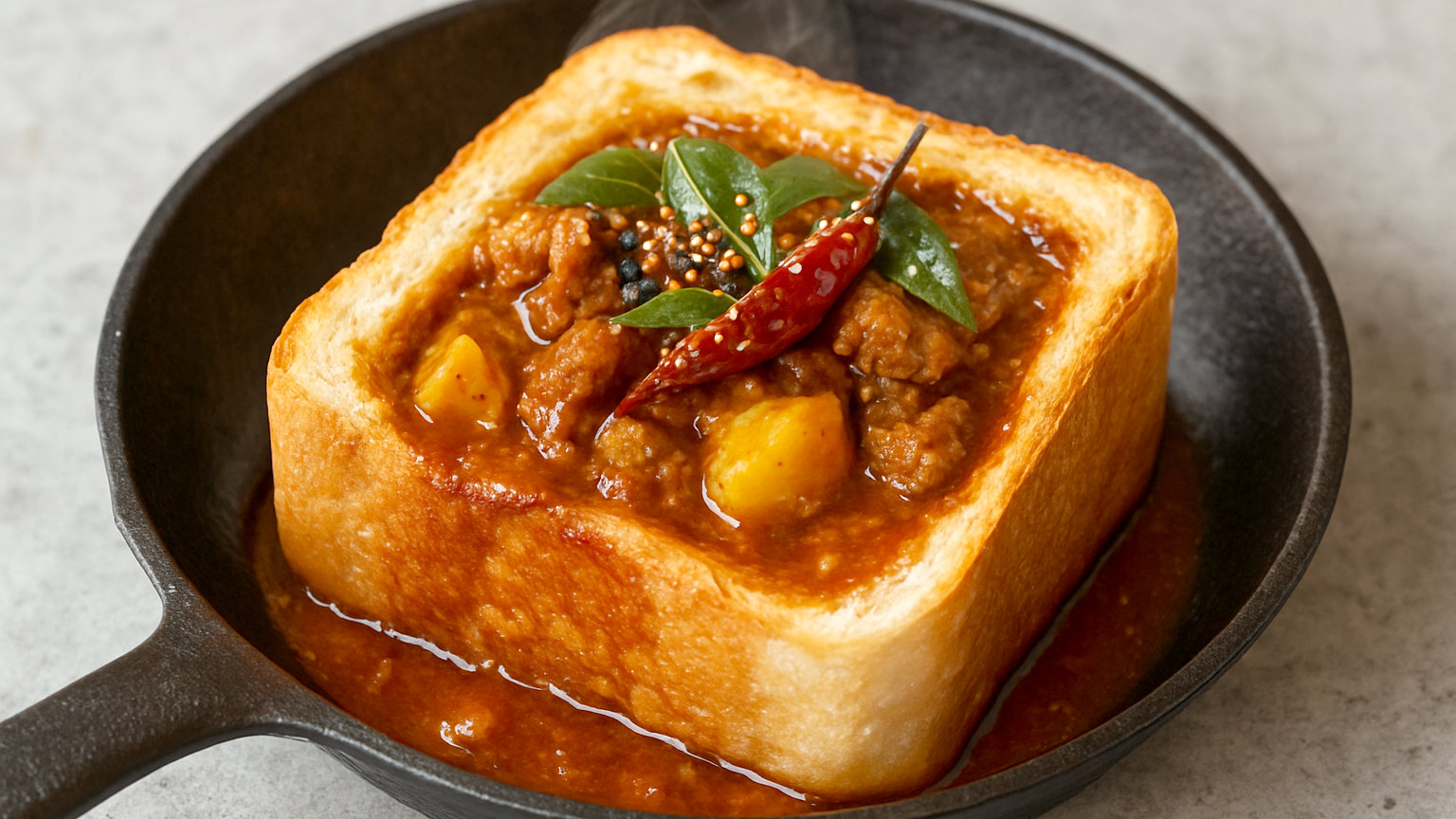
A hollowed-out quarter loaf filled with curry, eaten with your hands. It is Durban street food and the bread is structural rather than a side.
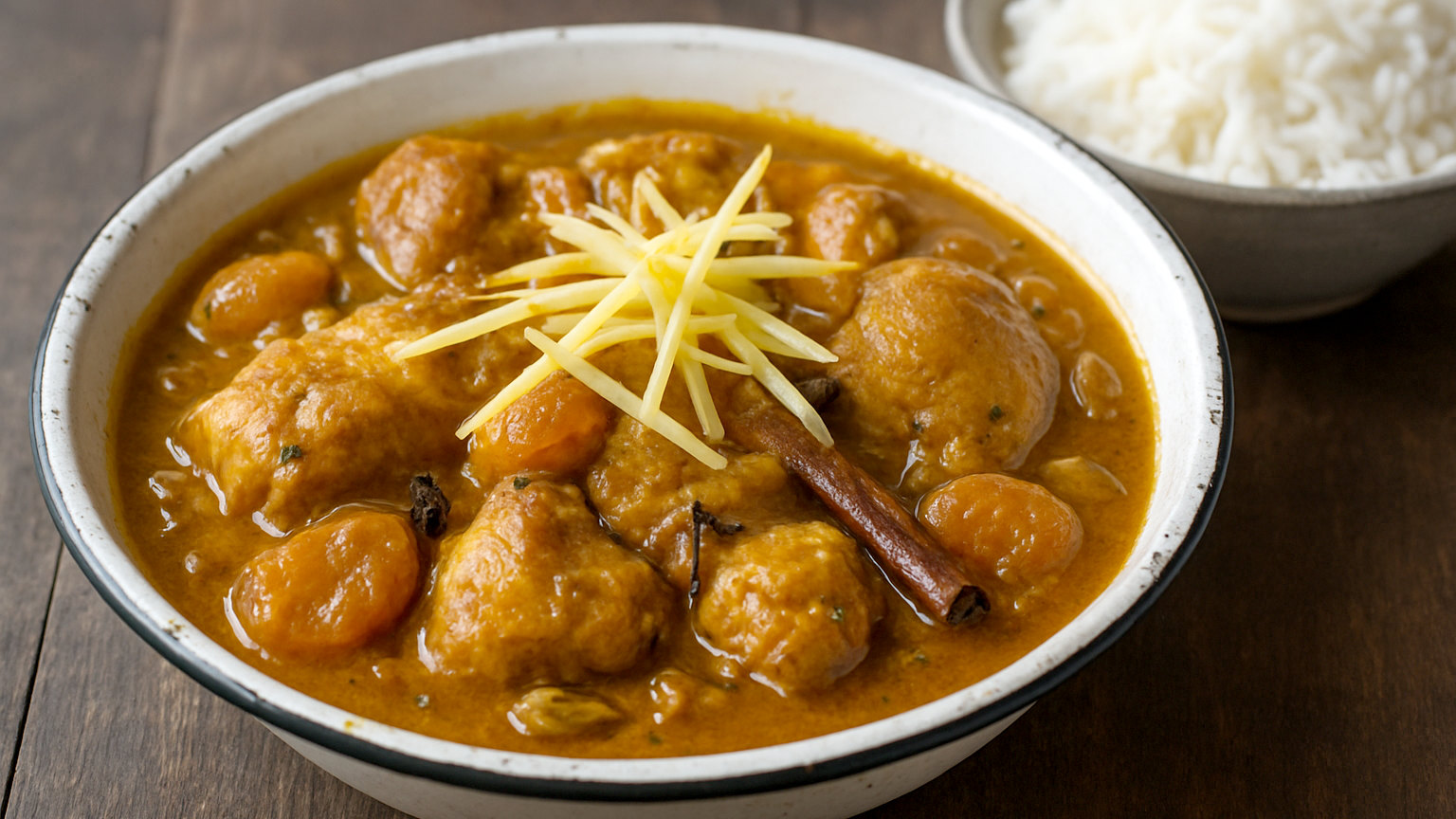
Sweet, fragrant and mild, built on dried fruit and warm spices. It descends from South East Asian cooking brought to the Cape under Dutch rule.
Dried apricots cooked into the sauce, warm spices instead of heavy chilli, and vinegar to keep the sweetness in check.
Spiced minced beef under a baked egg custard, with bay leaves standing up through the top. It is closer to a national dish than a curry.
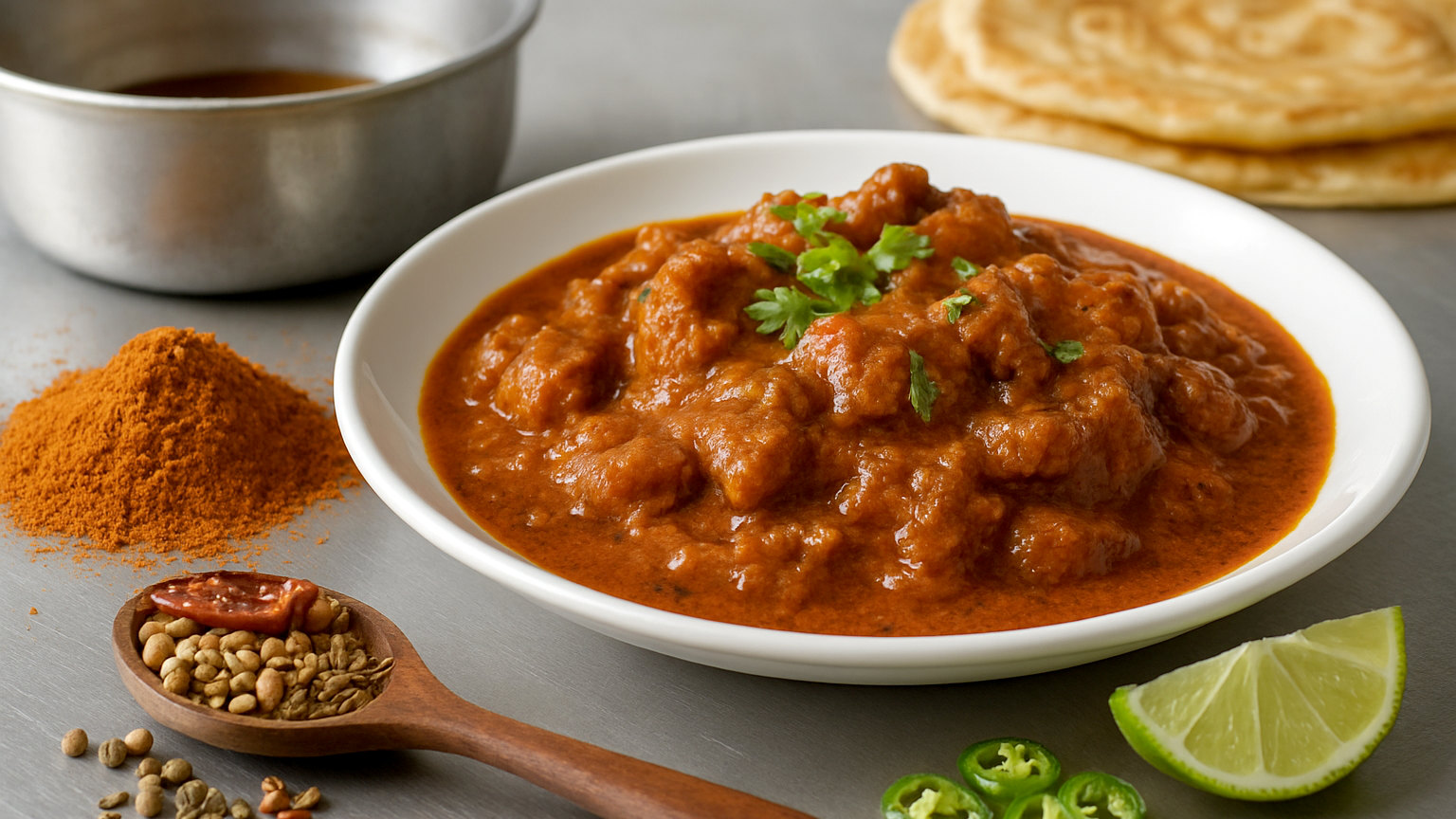
A chilli-dominant blend sold by heat grade rather than by dish. Buy it from a South African supplier, and start well below the grade you think you want.
Bone-in mutton braised for two hours in a tomato and masala base. It is the curry that fills a bunny chow and the one Durban is known for.
Because the Cape Malay tradition inherited a sweet-sour balance from South East Asia and had orchard fruit to build it with. It is deliberate rather than a British addition.
Coconut, tamarind and lime from the Swahili coast, where Indian Ocean trade shaped the cooking. Lighter and sharper than anything from South Africa.
A thousand years of Indian Ocean trade produced a coconut-based cooking tradition running from Somalia to Mozambique. Coastal, sour and moderately spiced.
A spiced vegetable relish with curry powder, beans and grated carrot. It sits alongside almost anything and takes twenty minutes.