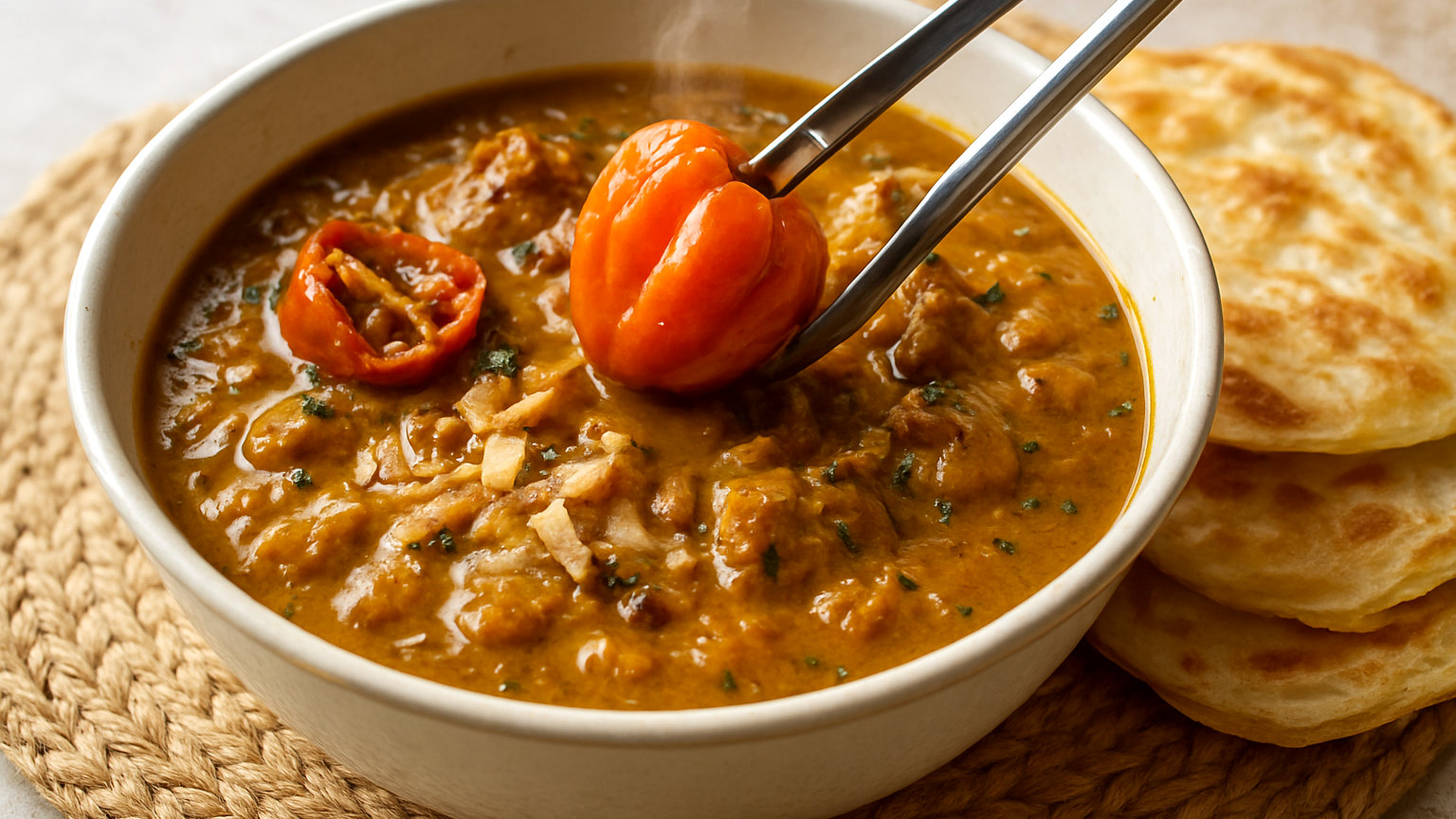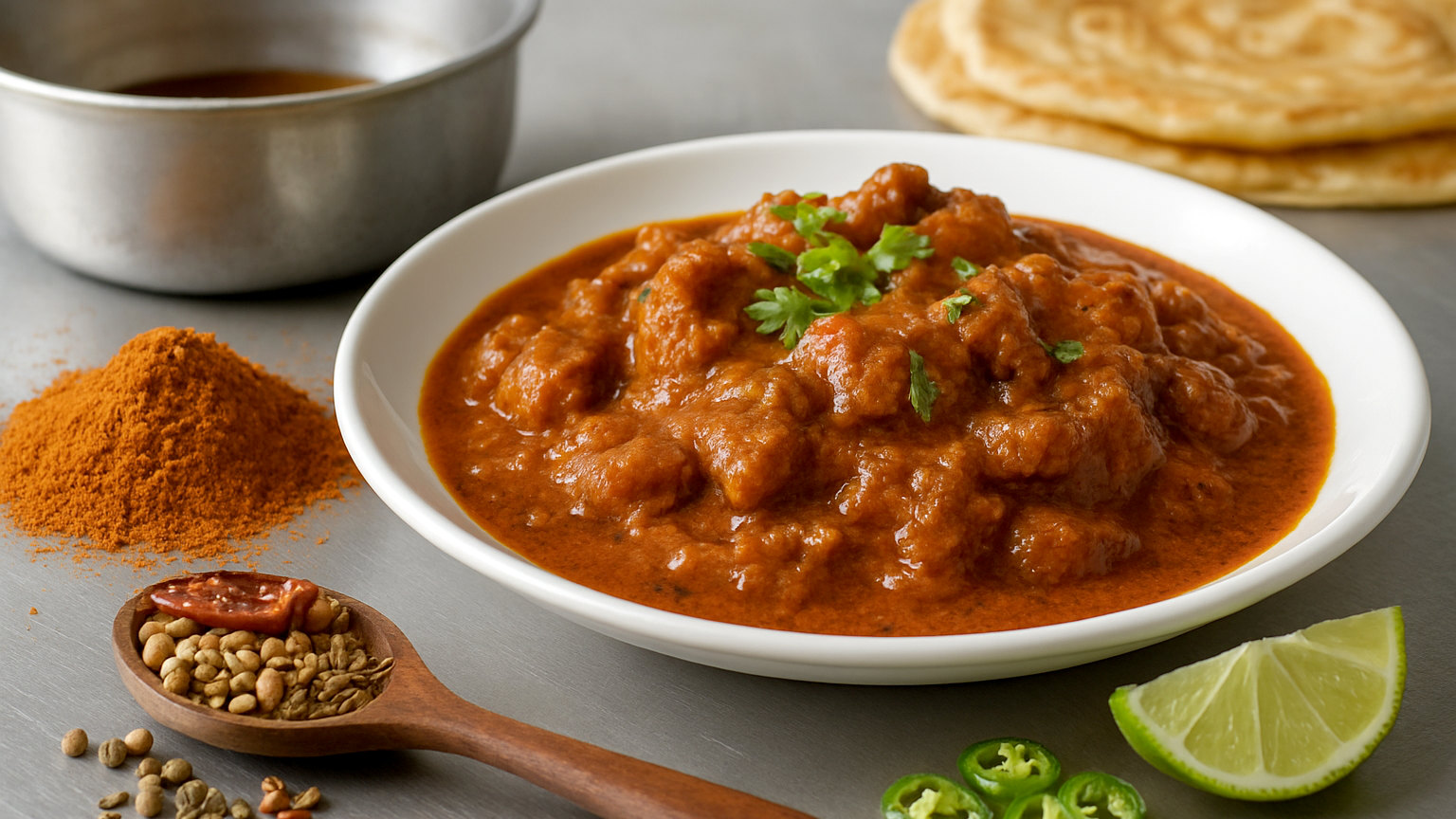
Durban masala is the foundation of South African Indian curry and it is not interchangeable with an Indian curry powder. It is built on a different balance, sold differently, and used in much larger quantities.
What is in it?
Ground red chilli in quantity, coriander, cumin, fennel, turmeric and black pepper, often with cinnamon, clove and star anise. Some blends include curry leaves ground in, sold as leaf masala.
The chilli proportion is far higher than in an Indian blend, which is why the powder is a deep brick red rather than yellow-brown.
How are the grades sold?
- Mild - still warmer than most British medium curry powders.
- Medium - the everyday choice for many households.
- Hot - genuinely hot by any standard.
- Mother-in-law - the fierce grade, named with the obvious joke.
- Beyond that - some shops sell grades above it with escalating names.
The grades are a chilli scale rather than different spice mixes, so a mild and a hot masala taste similar apart from the heat.
Is it sold by dish?
Not usually, which is a real difference from Indian spice shopping. There is no separate blend for chicken and lamb. One masala at your preferred heat grade covers everything, with individual spices added as a recipe requires.
Where do you buy it?
South African food suppliers, online or in shops serving South African communities, are the reliable source in Britain. Several Durban spice houses export and their blends are the reference point.
Indian grocers occasionally stock it. A generic curry powder is not a substitute.
Can you approximate it?
Reasonably. For around 100g, combine 6 tbsp Kashmiri chilli powder, 3 tbsp ground coriander, 1.5 tbsp ground cumin, 2 tsp ground fennel, 2 tsp ground turmeric, 1 tsp black pepper and half a teaspoon each of ground cinnamon, clove and star anise.
Use Kashmiri chilli for colour and add a hotter chilli powder to reach the heat you want, which is how the grades are built.
How much do you use?
Three or four tablespoons for a curry serving four to six, which is three or four times what an Indian recipe would use. Being cautious with the quantity produces a pale thin curry rather than a milder one.
How is it added?
Fried briefly in the oil after the onions and aromatics, with a splash of water to stop it catching. Ground chilli scorches quickly, so ninety seconds over a lowered heat is enough.
Does it contain salt?
Some blends do and many do not. Check before seasoning, since four tablespoons of a salted masala contributes a considerable amount to the pot. Taste the curry before adding the salt a recipe specifies rather than following the quantity blindly.
How long does it keep?
Three to four months at full strength in an airtight tin away from light. Ground chilli fades faster than whole spices, and an old masala loses its heat before it loses its colour, which catches people out. If a curry seems weak despite the right quantity, the tin is likely old.
What is leaf masala?
A blend with dried curry leaves ground into it, which is common in Durban and unusual elsewhere. It gives a background citric note without needing fresh leaves, and it is worth buying if you can find it. Fresh curry leaves in the pot do the same job better.
How does it compare to garam masala?
Entirely differently constructed. Garam masala is a warm aromatic finishing blend with no chilli, added at the end of cooking. Durban masala is a chilli-led base blend fried at the start. They do opposite jobs and are not substitutes for one another in either direction.
Should you make your own?
Buying is the sensible default, since a Durban blend contains a dozen or more spices at proportions that are hard to judge from scratch. Making your own becomes worthwhile if you want a specific heat level or cannot source a South African supplier.