How to Make Beef Rendang
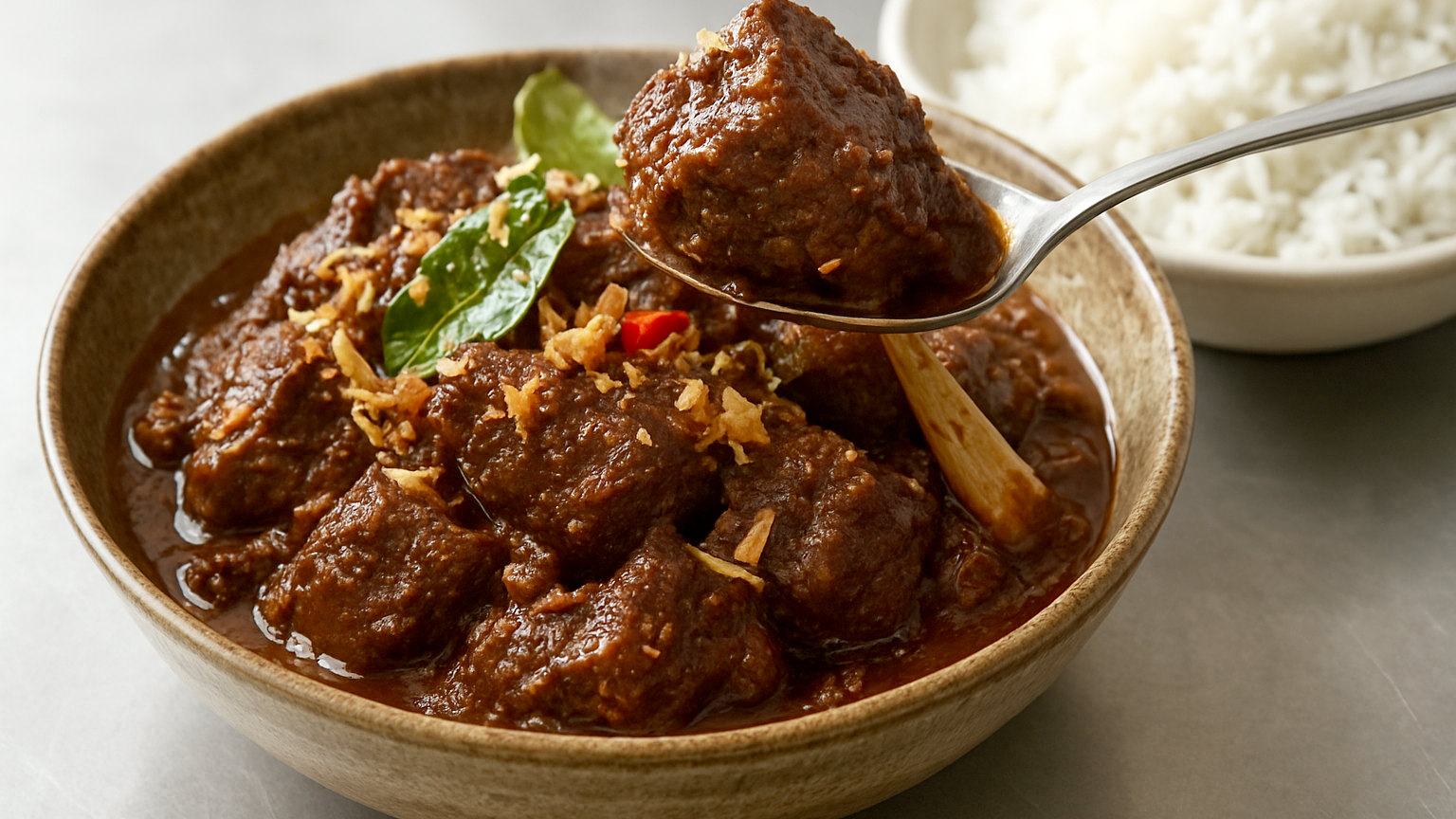
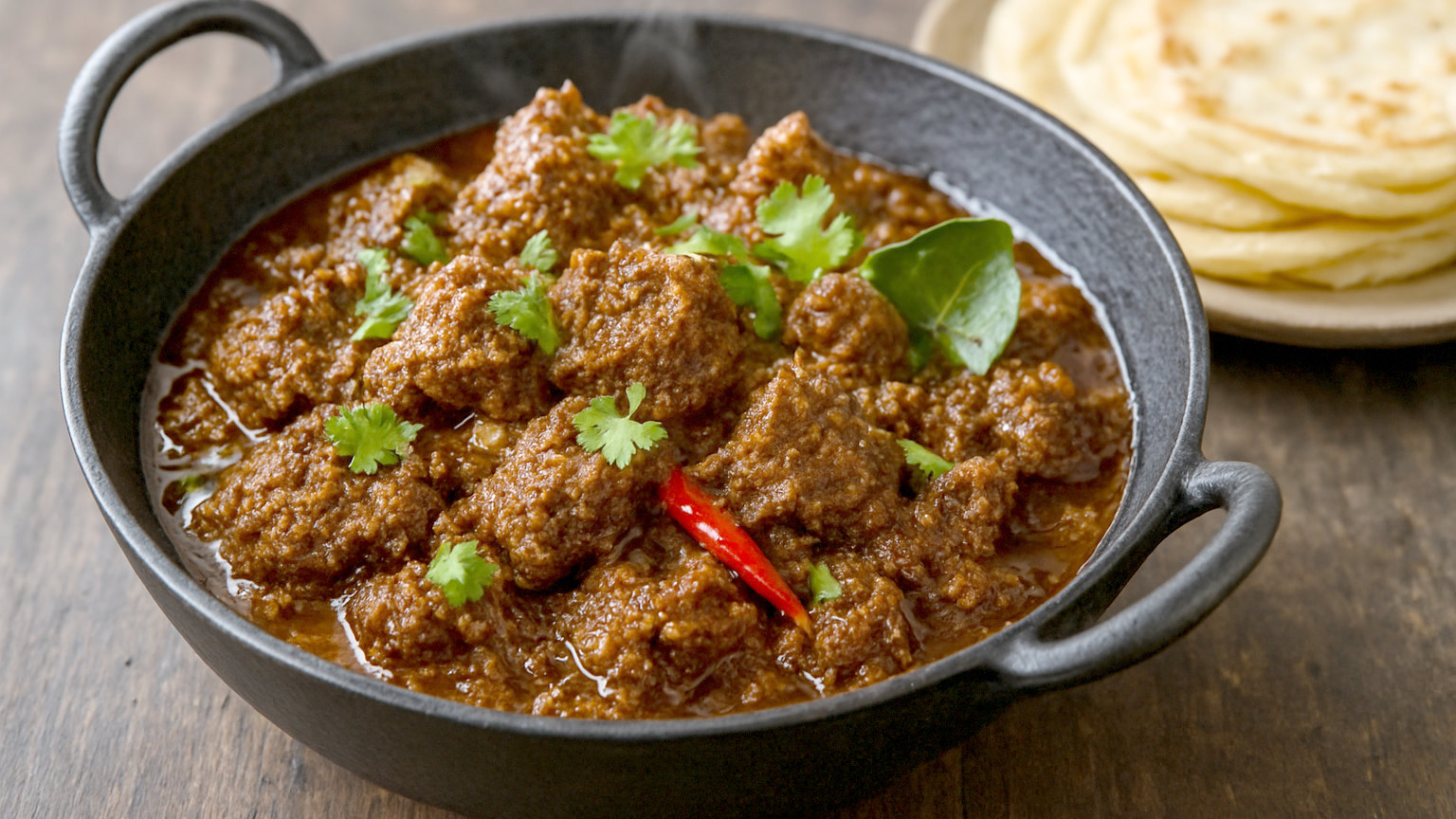
Three hours of reducing coconut milk until the sauce disappears and the beef fries in its own oil. It is a dry dish, and anything wet is not a rendang.
By Curry Recipes Team
24 Sep 2025

Rendang, curry laksa and chicken kapitan - built on a pounded rempah rather than a spoonful of powder.
Three hours of reducing coconut milk until the sauce disappears and the beef fries in its own oil. It is a dry dish, and anything wet is not a rendang.
A wet paste of fresh aromatics pounded together, and the foundation of almost every Malaysian curry. It is closer to a Thai paste than to a spoonful of powder.
Grated coconut roasted dark then pounded until the oil comes out and it turns to paste. It is what gives rendang its colour and much of its flavour.
Because a rempah that has not released its oil tastes raw, and everything built on top of it tastes raw too. It takes far longer than most recipes suggest.
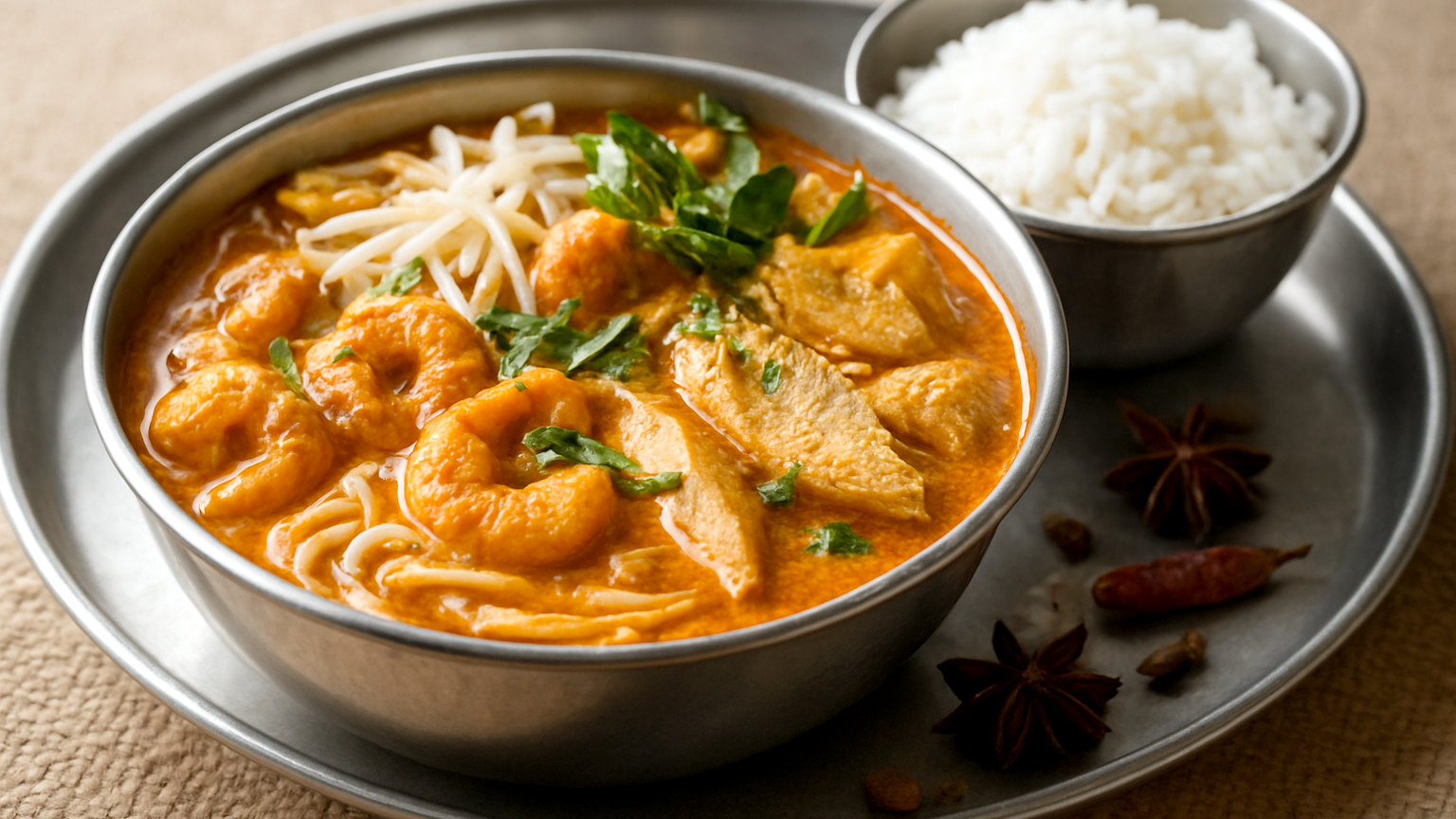
A coconut curry noodle soup with prawns, chicken, tofu puffs and bean sprouts. It is a different dish entirely from the sour asam laksa.
Fermented shrimp paste, sold as a hard block and toasted before use. It smells alarming and disappears entirely into the finished dish.
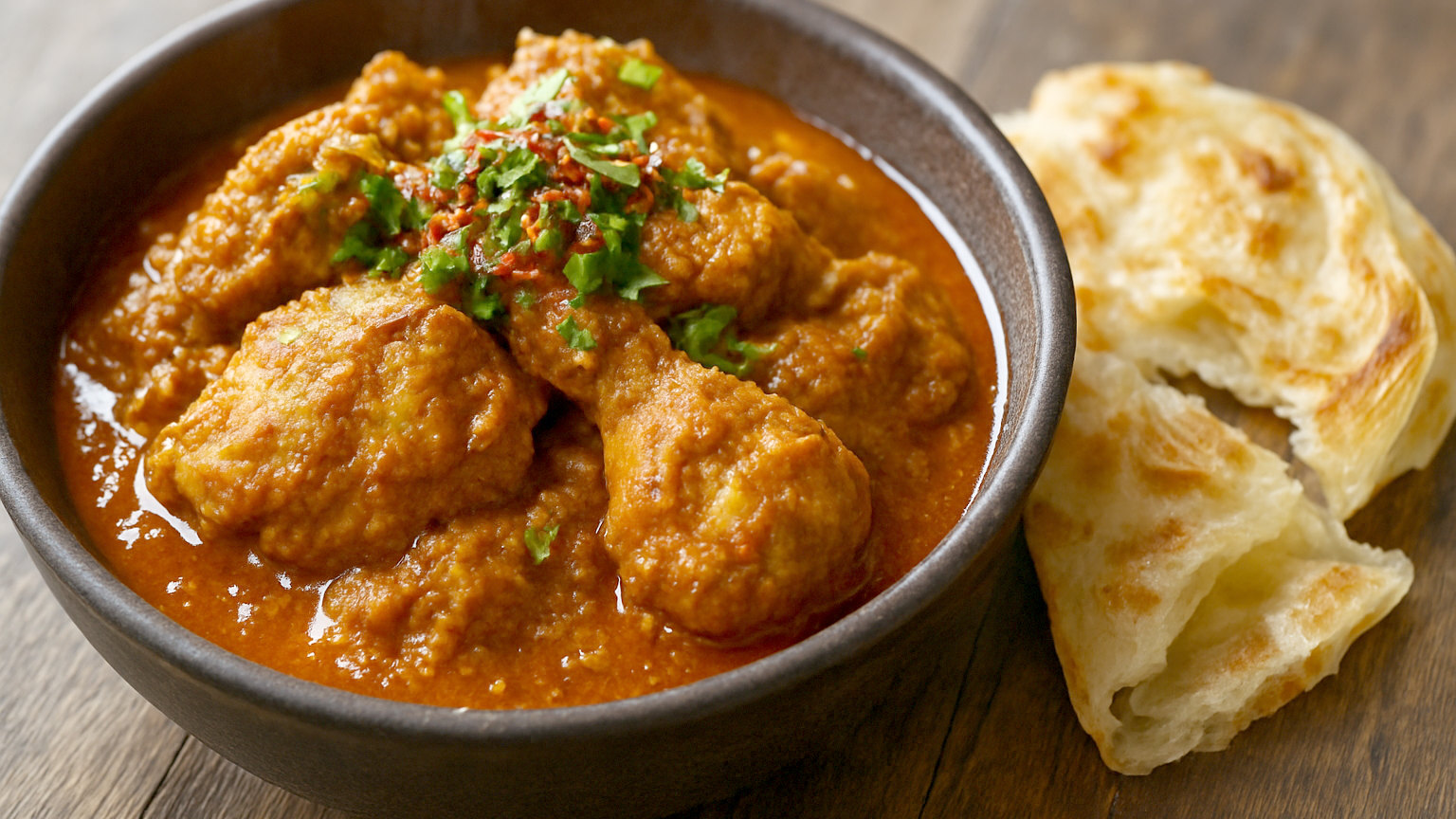
A Nyonya curry from Penang, thick with candlenut and lemongrass and finished with lime. Drier than most Malaysian curries and considerably more fragrant.
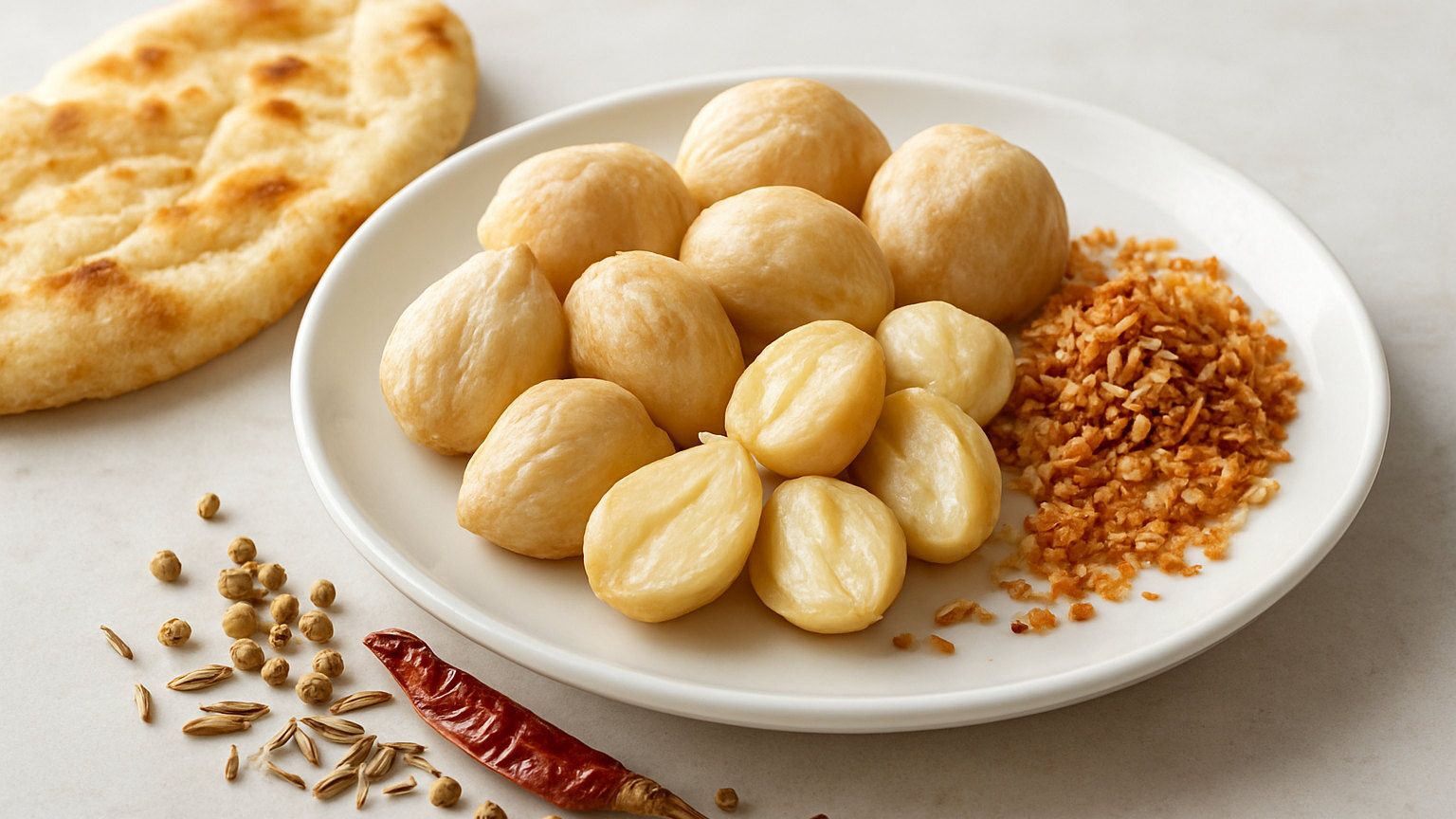
They thicken a rempah and give it richness, contributing almost no flavour of their own. Macadamias are the closest substitute.
A rempah plus a dry curry powder, which is the combination that distinguishes Malaysian curry from Thai. Coconut milk, potato and forty minutes.
Because it has no sauce. Rendang is a reduction taken past the point where liquid remains, and a wet rendang is an unfinished one.
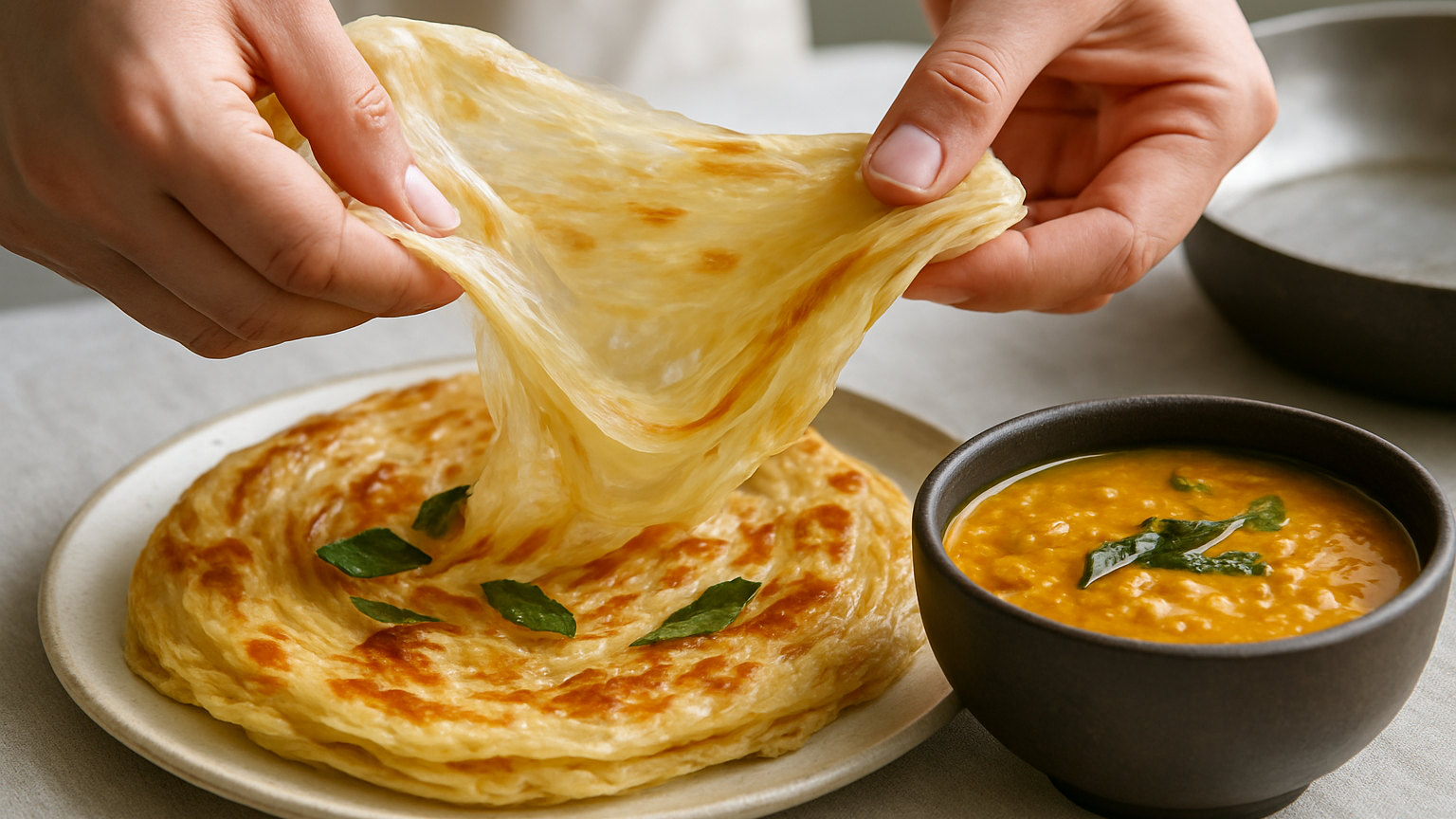
Stretched paper-thin, folded and griddled into flaky layers. The dough needs a long rest and the stretching is easier than it looks.
Chinese ingredients and technique meeting Malay aromatics, developed over centuries in Penang, Melaka and Singapore. It is a cuisine in its own right.