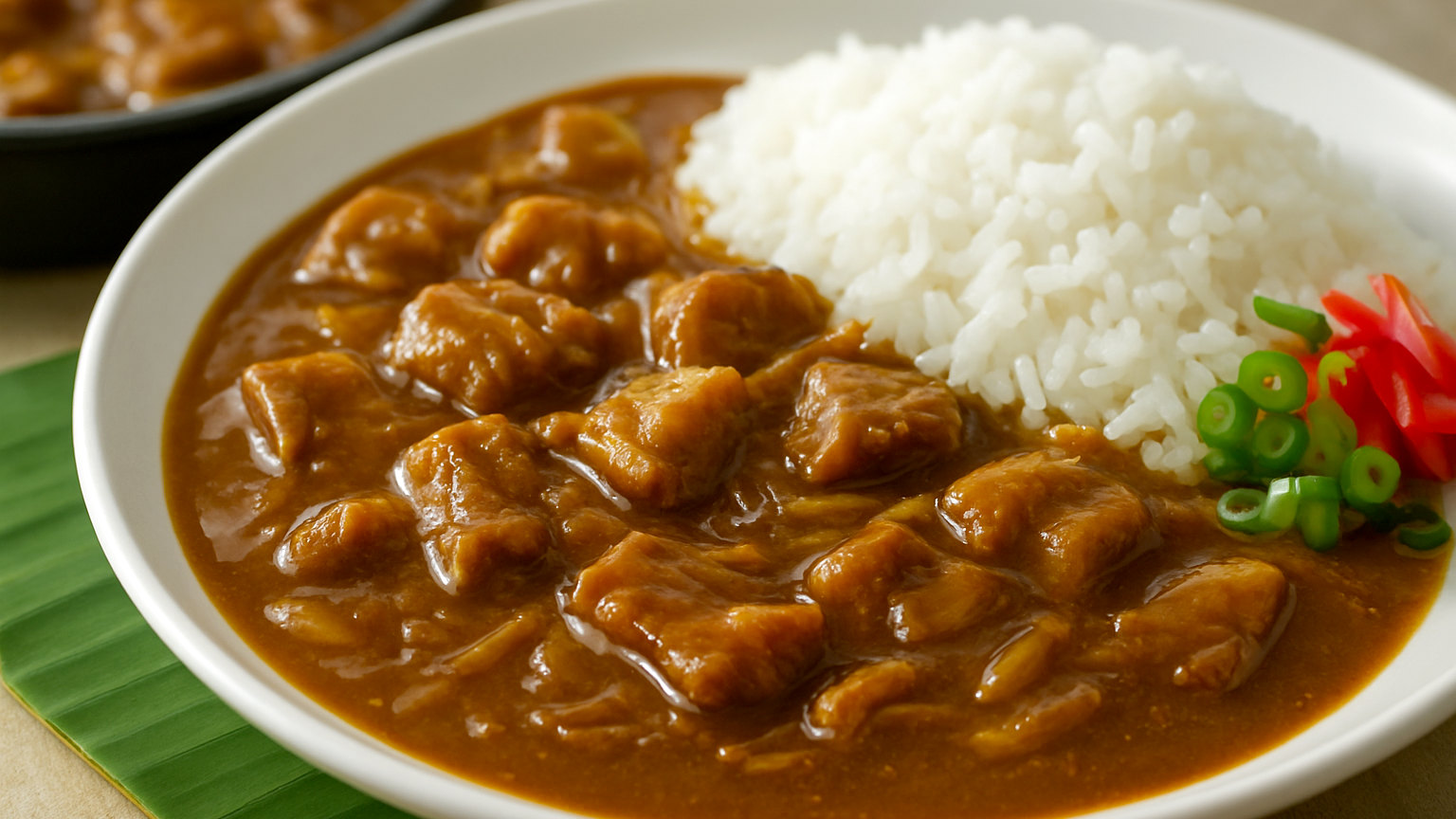
How to Make Japanese Pork Belly Curry
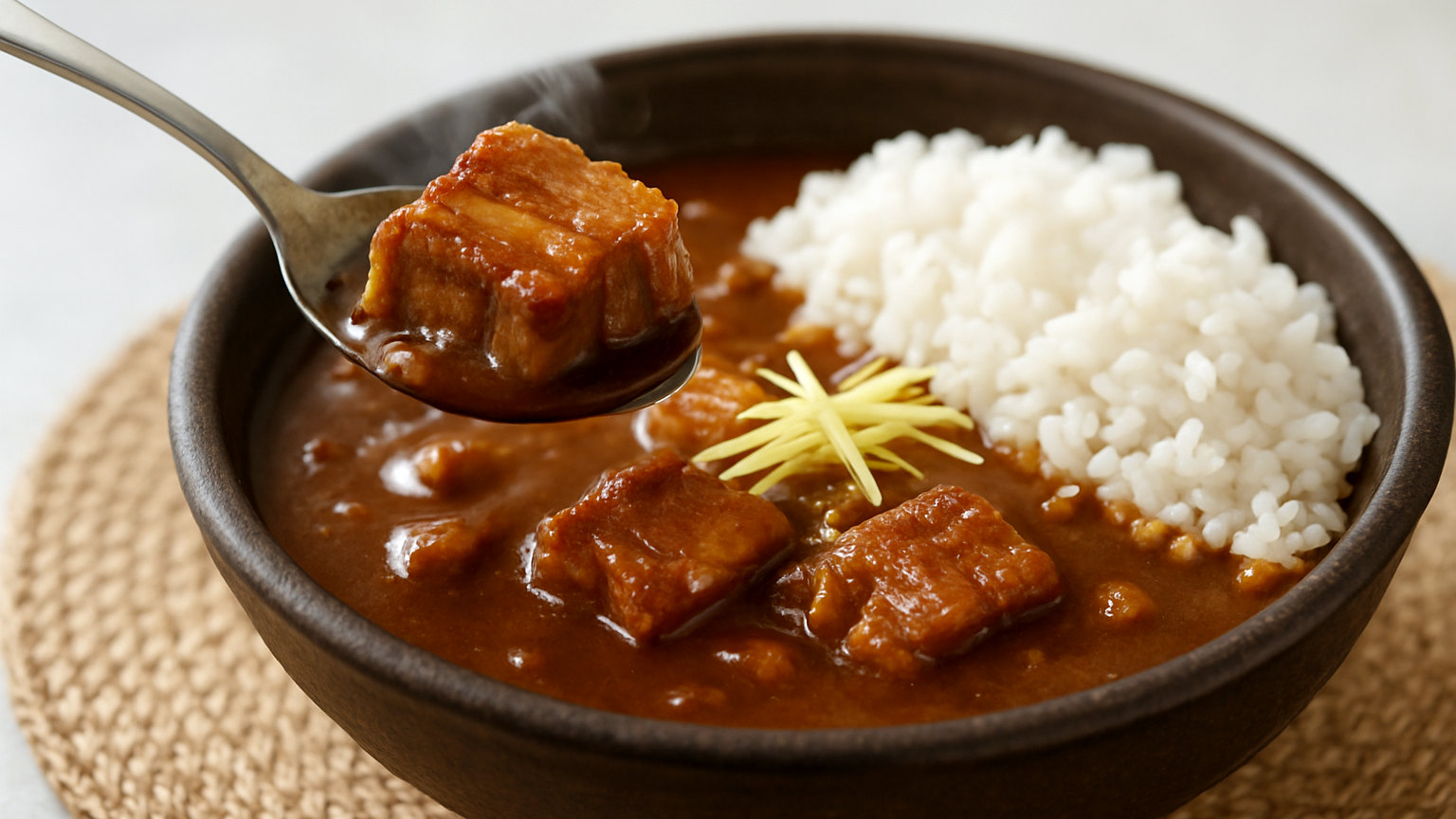
Render the belly hard before anything else goes in the pan, and use that fat for the roux. A curry made this way is rich rather than greasy.
By Curry Recipes Team
31 Dec 2025

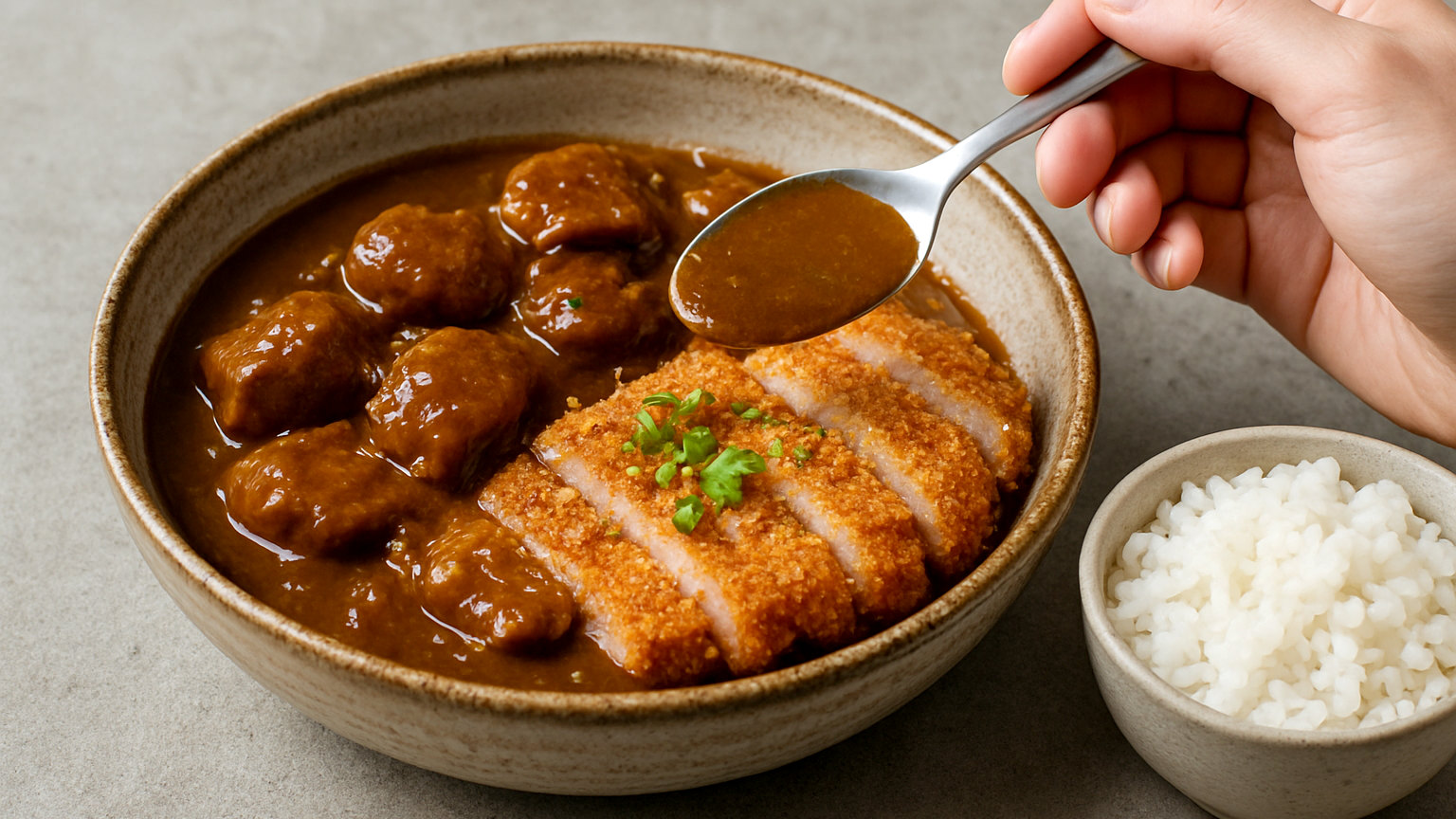
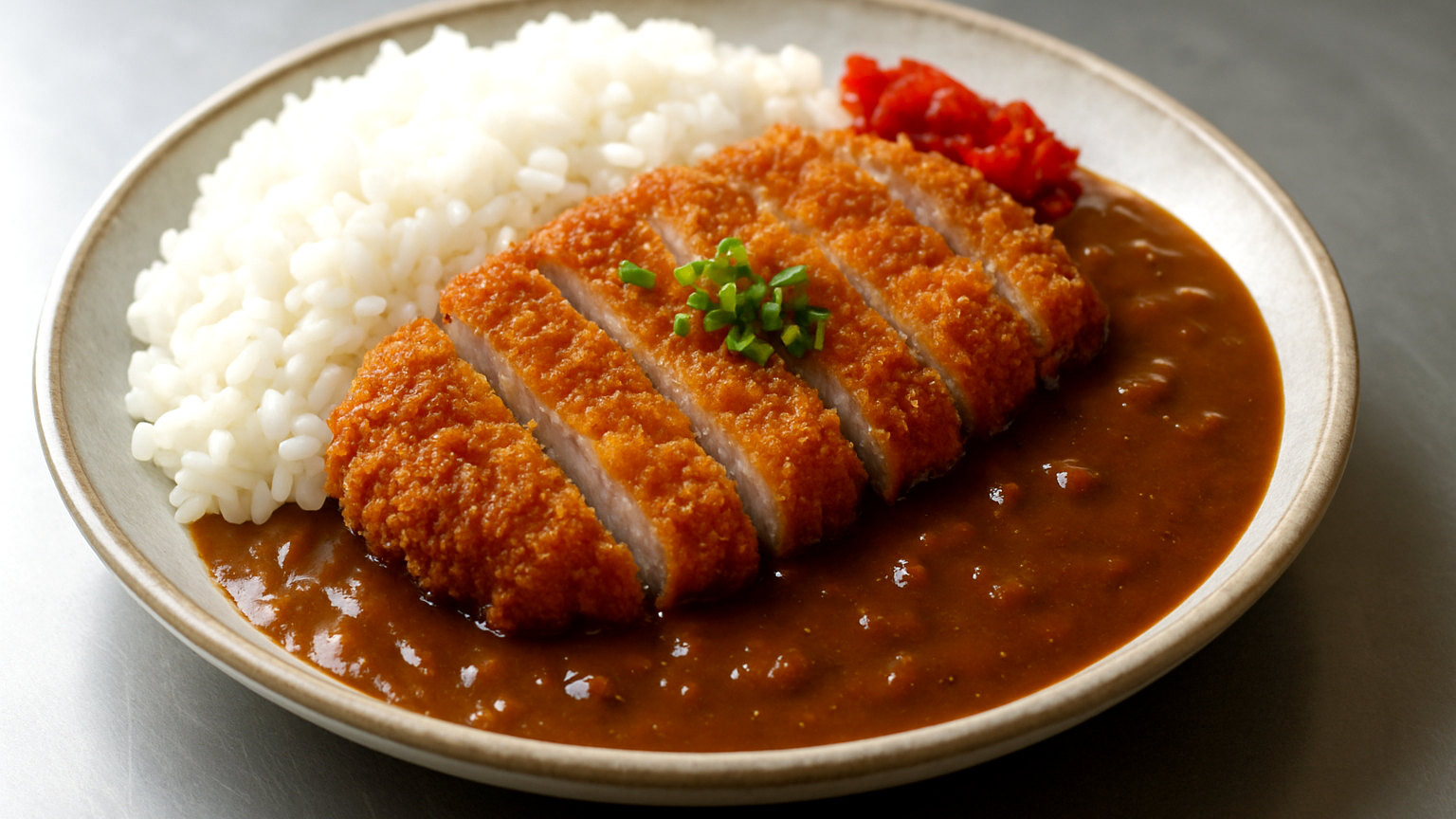
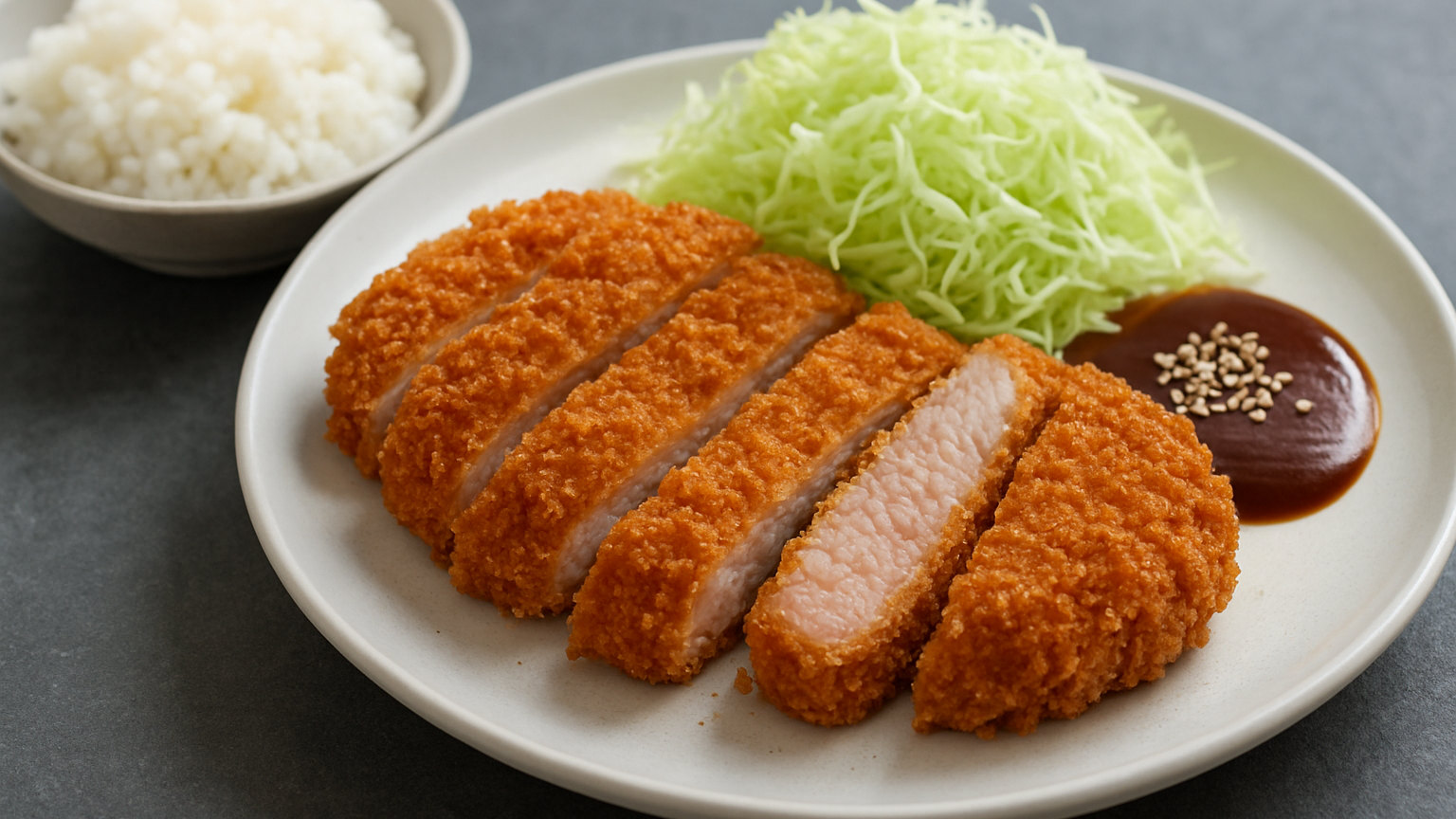
Tonkatsu and pork belly curry - rendering the fat properly, and matching the sauce to a richer meat.
Render the belly hard before anything else goes in the pan, and use that fat for the roux. A curry made this way is rich rather than greasy.
Start in a cold dry pan and go slowly. Fat that is rushed seizes inside the meat, and fat that is rendered gently comes out clean and usable.
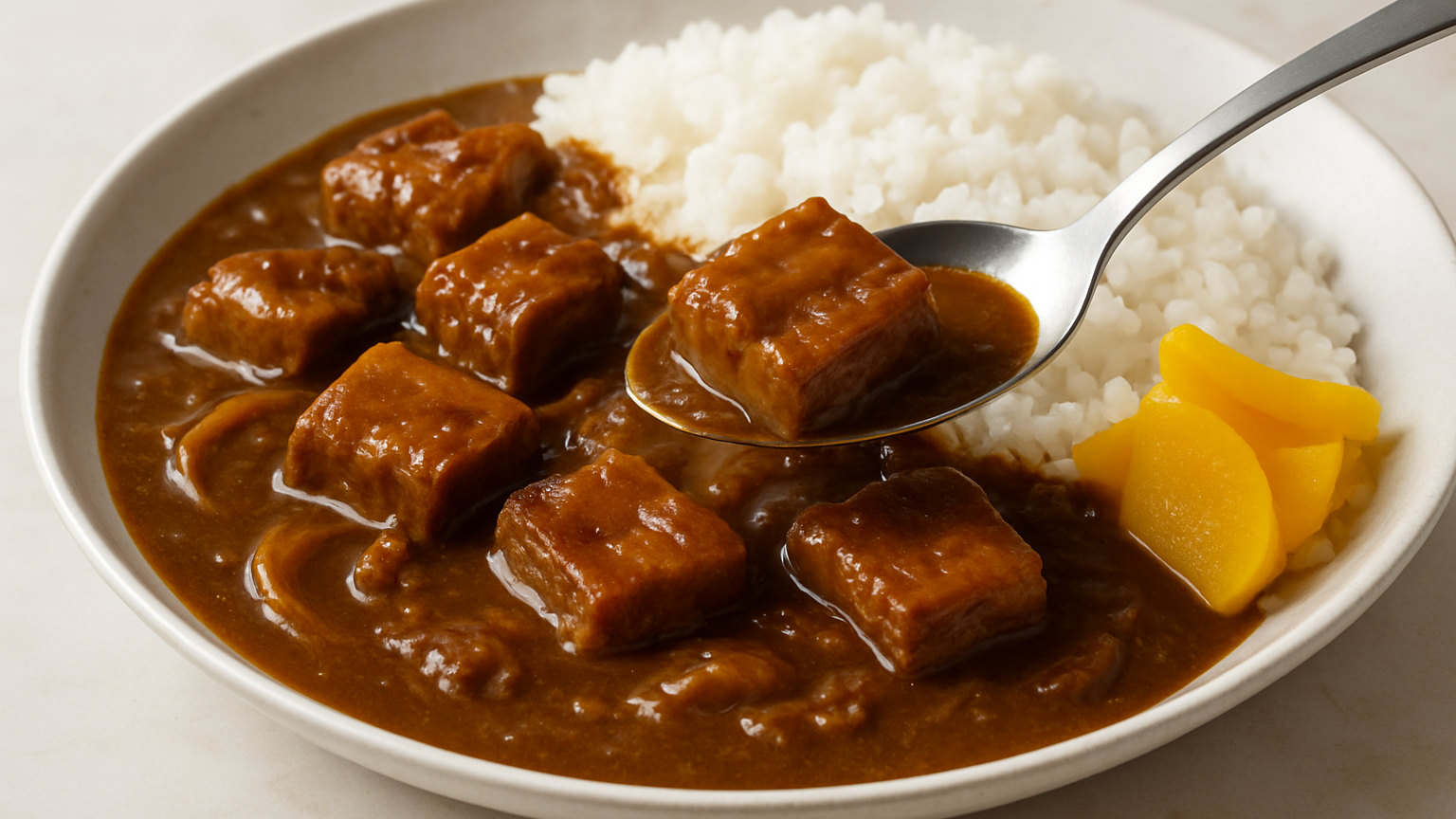
More acidity and more salt, less added fat. A sauce calibrated for chicken tastes flabby against pork belly, and the fix is sharpness rather than spice.
Belly and shoulder for a braise, loin and fillet for a cutlet. The two groups want completely different treatments and cannot be swapped.
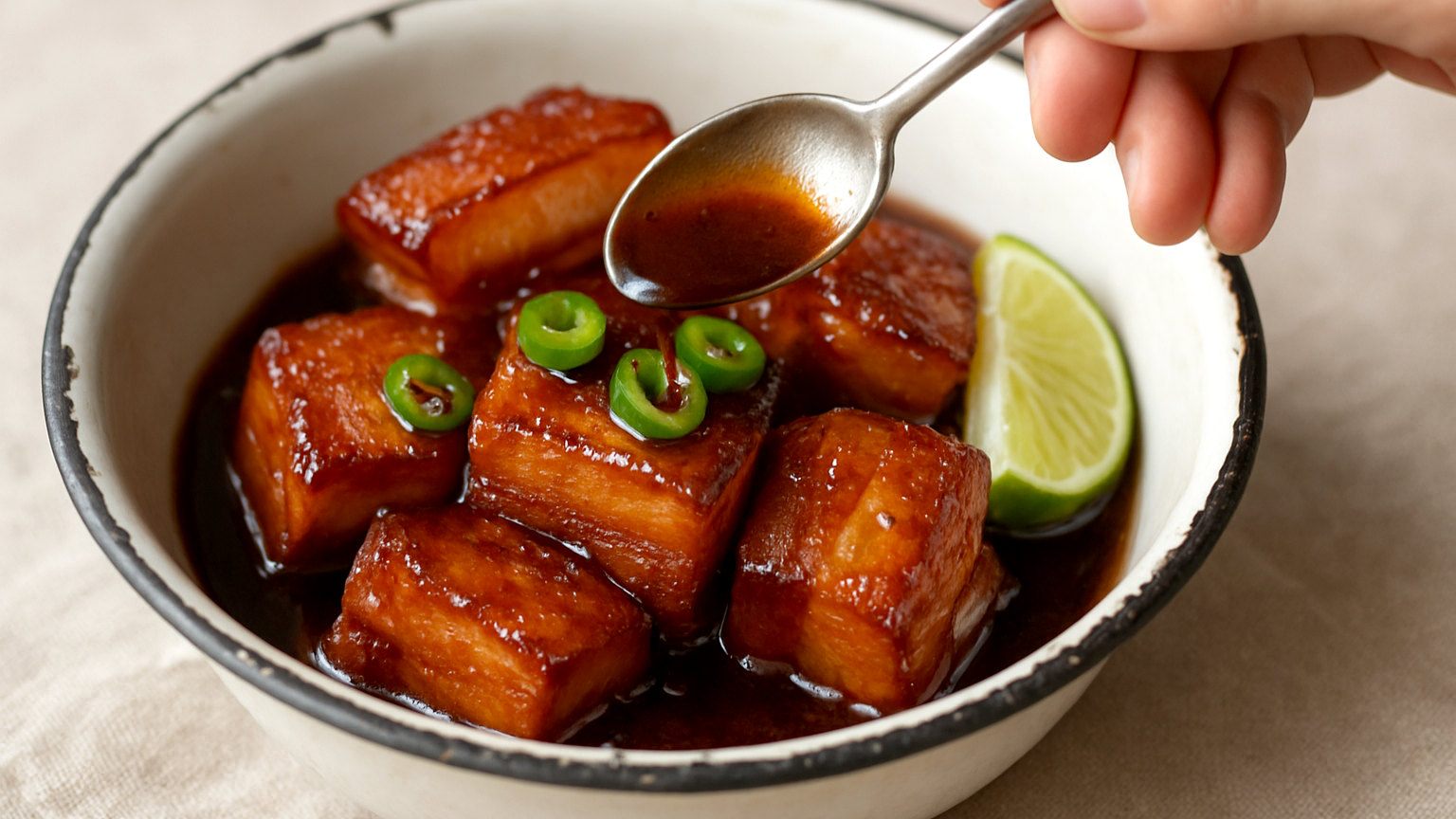
Braised pork belly in soy, sake, mirin and sugar, and the dish that teaches you what Japanese cooking does with fat. It is not a curry and it belongs here.
The fat was never rendered out, or it was and nobody skimmed it. Both are fixable, and the second one is easiest the next day.
The premium tonkatsu, made with fillet rather than loin. Leaner, more tender, and cut into thick medallions rather than one flat cutlet.
Loin has more flavour from its fat, fillet is more tender and costs more. Japanese tonkatsu restaurants list both and regulars have firm opinions.
Thirty minutes rather than two hours, and it wants browning hard rather than stirring. A weeknight version that keeps the character of the dish.
Slightly less, and the difference is smaller than people assume. Pork shoulder is tender at ninety minutes where beef shin often wants a full two hours.
Ginger and pork is the standard Japanese pairing, and sake tenderises while adding depth. A sharper, more distinctly Japanese pork curry.
Because meat eating was restricted for over a thousand years and pork arrived with the Western dishes that ended the ban. It is a recent enthusiasm.