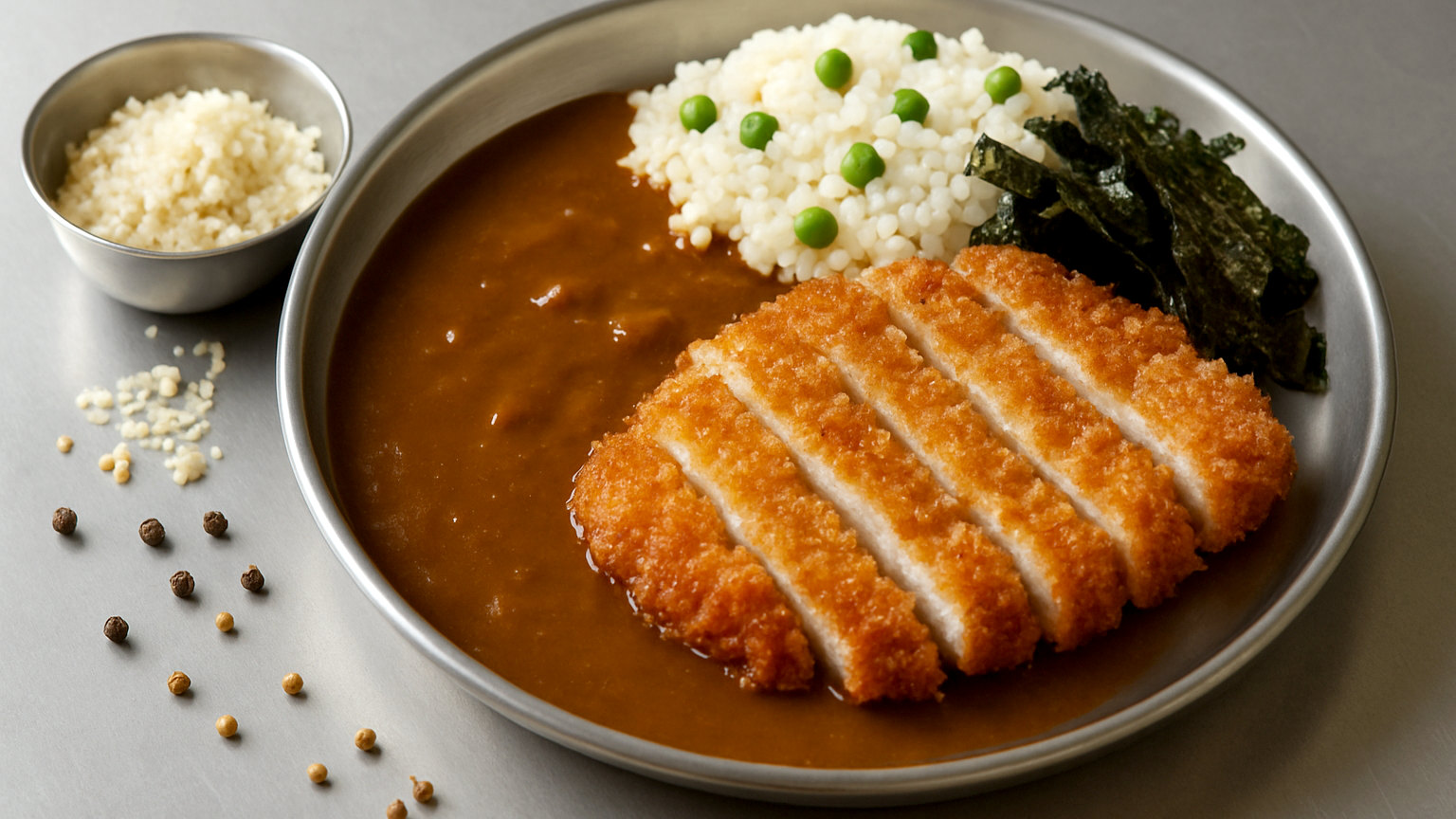
A layer of orange fat sitting on top of a pork curry is the most common complaint about the dish, and it has two causes that compound each other. Both are entirely preventable.
Was the fat rendered first?
The first cause. Pork belly is roughly half fat by weight, and if it goes into the braise raw, every gram of that fat melts into the sauce over two hours. A kilogram of belly can release two hundred millilitres or more.
Rendering in a cold dry pan for twelve to fifteen minutes beforehand removes most of it while you can still pour it off, which is the difference between controlling the fat and discovering it later.
Was it skimmed?
The second cause and the easier one to fix. Fat rises to the surface during a braise and sits there, and a spoon drawn across the top removes most of it in thirty seconds.
Skim partway through the cooking and again at the end. Tilting the pan gathers the fat at one side and makes it considerably easier to lift off.
What is the easiest method?
Cook it a day ahead. Refrigerated overnight, the fat sets into a solid layer on the surface and lifts off in one piece with a spoon. It takes ten seconds and removes far more than any amount of hot skimming.
The curry also improves overnight, so there are two reasons to do it.
What else works?
- A ladle - pressed gently onto the surface so fat flows over the rim.
- Kitchen paper - laid briefly on the surface and lifted, which blots a surprising amount.
- A fat separator jug - which pours from the bottom, leaving fat behind.
- Ice cubes - a few dropped in and removed quickly, with fat congealing on them.
- Tilting the pan - the simplest, gathering fat where you can reach it.
Should you remove all of it?
No, and this is worth saying. Some fat carries flavour, gives the sauce its gloss and contributes the richness the dish is meant to have. A completely degreased pork curry tastes thin.
Aim for a thin sheen rather than a thick layer. If you can see distinct orange pools, remove some. If the surface is merely glossy, leave it.
Does the cut make a difference?
Considerably. Belly is around half fat, shoulder perhaps a fifth, and loin very little. If greasiness is a persistent problem, shoulder gives a much easier ride while still producing a good braise.
Does the roux contribute?
It can. A roux made with butter on top of rendered pork fat adds fat the dish does not need. In a pork belly curry the rendered fat should replace the butter entirely rather than supplementing it, which is one of the specific adjustments a pork version needs.
Does the vessel matter?
A wide pan makes skimming considerably easier than a deep narrow one, since the fat spreads across a larger surface where a spoon can reach it. In a tall pot the fat sits in a thick ring around the edge and is fiddly to lift out without taking sauce with it.
Is the fat the same as the gloss?
Not quite, and it is worth distinguishing. A sauce with a proper roux has its own gloss from the flour and butter, which is smooth and integrated. Free fat sits on top as separate pools. If you can see distinct orange patches rather than an even sheen, that is the fat to remove.
Can you use less fatty pork instead?
Shoulder is the obvious answer and it solves the problem largely by avoiding it. At around a fifth the fat of belly, there is far less to render and far less to skim. The curry is slightly less rich as a result, which is a fair trade if greasiness has been a recurring complaint.
Does reheating make it worse?
It can appear worse, since fat that had emulsified into the sauce while hot separates out as it cools and sits on top. Whisking as it reheats brings much of it back in. If a chilled curry looks alarming, warming and stirring usually resolves most of it before you reach for a spoon.