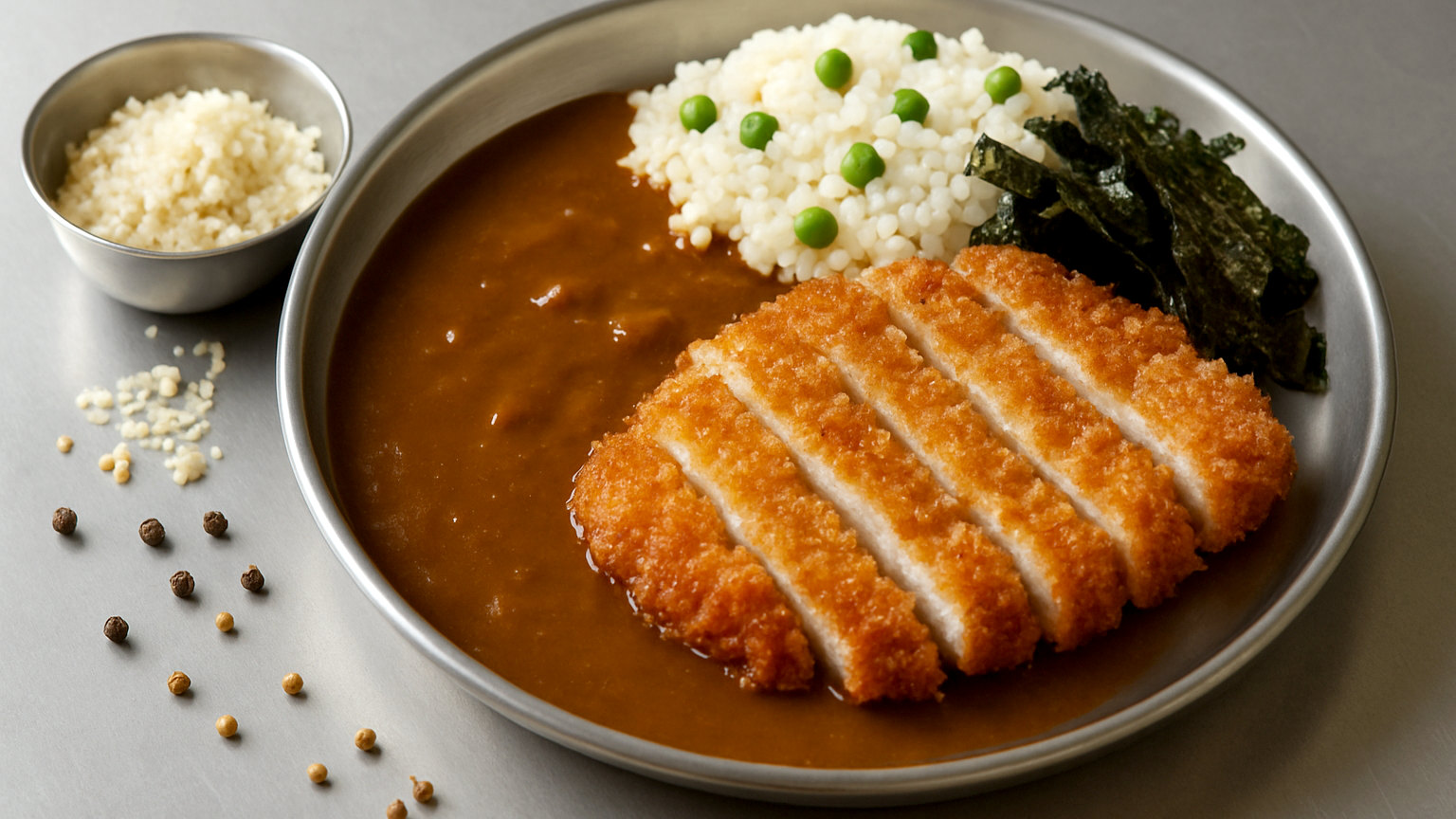
Chicken katsu freezes well at one stage and badly at another. Breaded and raw it is close to ideal. Cooked and cooled, it is a disappointment however carefully you reheat it.
Why does raw freeze better?
Because the crust has not yet been created. Freezing a fried cutlet forms ice crystals inside a crisp structure, and thawing leaves that structure soggy and collapsed. Nothing brings it back properly.
A raw breaded cutlet has a coating that is still just flour, egg and dry crumbs. Freezing does nothing to it, and the crust forms fresh when you cook it.
How do you freeze it raw?
- Bread the cutlets as usual and rest them for 15 minutes so the coating sets.
- Lay them in a single layer on a tray lined with greaseproof paper, not touching.
- Freeze until solid, around 2 hours, which stops them sticking together.
- Transfer to a bag or box with paper between the layers.
- Label with the date and use within three months.
Do you thaw them first?
No, and this is the useful part. Cook them straight from frozen at a slightly lower oil temperature, around 165C, for five to six minutes a side. The lower temperature gives the centre time to catch up without the crust darkening too far.
Check the internal temperature reaches 74C, since a frozen start makes the timings less predictable.
Can you bake from frozen?
Yes, at 200C for twenty-two to twenty-five minutes on a preheated tray, turning once. An air fryer at 190C takes around eighteen. Toasting the panko before breading helps considerably with either.
What if you have cooked leftovers?
Refrigerate them for up to two days and accept that the crust has gone. The best use is a dish where crispness is not the point: sliced into curry udon, chopped through fried rice, or in a katsu sando where the sauce would have softened it anyway.
If you want to revive one, five minutes on a rack in a 200C oven does more than a microwave, which steams it into something unpleasant.
Does the sauce freeze?
Japanese curry sauce freezes very well for three months, since it is a flour-thickened roux rather than a dairy or coconut emulsion. It thickens considerably on thawing and loosens with a little stock when reheated.
Freezing the sauce and the raw breaded cutlets separately gives you a complete katsu curry from the freezer in twenty minutes.
Any safety points?
Do not refreeze chicken that was previously frozen and thawed, which includes most supermarket chicken sold from a chilled counter after freezing. Check the label if you are unsure. And do not leave breaded raw chicken at room temperature while you work, since a warm kitchen and raw poultry is a poor combination.
How long do they keep frozen?
Three months at good quality, and they remain safe indefinitely below minus eighteen. Past three months the coating picks up freezer odours and the chicken texture declines. Label the bag with the date, since a frozen breaded cutlet gives no clue how long it has been there.
Does the coating survive freezing?
Raw, yes, entirely. The panko is dry and the egg beneath it has set, so freezing changes nothing structurally. What matters is open freezing on a tray first, since cutlets bagged while soft stick together and tear the coating off one another when you separate them.
Can you freeze the cutlets uncooked and unbreaded?
You can, and it is less useful. Breading frozen chicken is awkward, since the surface wets as it thaws and the flour will not adhere. Freezing them already breaded means the fiddly work is done and the cutlet goes straight from freezer to pan, which is the whole point.
Is it worth batch preparing?
Very much so, since the breading is the slow part and doing eight takes barely longer than doing two. An hour on a Sunday gives you three or four weeknight dinners that need nothing but oil and twelve minutes.