Roux is usually described in four stages, and knowing which one a dish wants is more useful than following a stated cooking time, since pans and hobs vary considerably.
What are the stages?
- White - 3 to 5 minutes, barely coloured, smelling of raw flour still fading. Maximum thickening.
- Blond - 6 to 9 minutes, pale gold, smelling biscuity. Slightly less thickening.
- Brown - 12 to 15 minutes, milk chocolate, distinctly nutty. Around three quarters the thickening.
- Dark brown - 20 to 30 minutes, dark chocolate, strongly toasted. Around half the thickening.
Which does Japanese curry use?
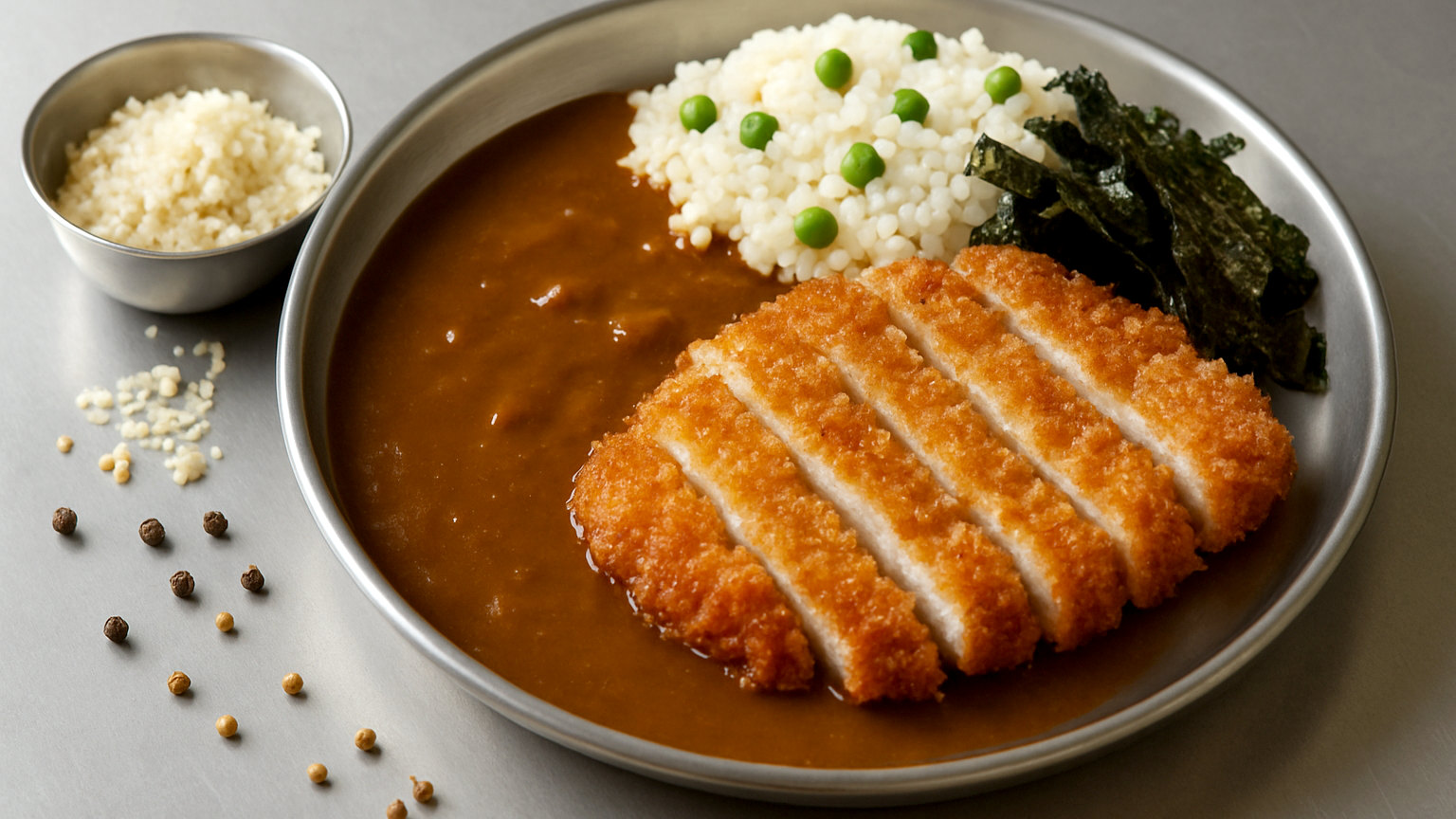
Blond to brown, depending on what it is for. A light chicken katsu sauce wants blond at around six minutes. A beef curry wants brown at twelve to fifteen. A vegetable curry sits between the two, since it needs depth to compensate for the missing meat.
Dark brown belongs to Cajun cooking rather than Japanese, and it would overwhelm a sauce this gently spiced.
How do you judge it?
By colour against something familiar, and by smell. Compare it mentally to milk chocolate or pale caramel rather than trusting the clock, since a heavy pan on a low flame behaves quite differently from a thin one on a high setting.
The smell shifts audibly through the stages: raw and pasty, then biscuity, then nutty, then toasted. The nutty stage is where a beef curry wants it.
Can it be rushed?
No, and trying is the main way roux goes wrong. Flour scorches easily, and a high heat browns it unevenly with dark specks appearing before the mass has coloured. Burnt roux is acrid and cannot be rescued.
Low heat and constant stirring is the only route, and the time it takes is the time it takes.
Does the fat change the colour?
Butter darkens the roux faster and more attractively than oil, because the milk solids in it brown alongside the flour. That contributes real flavour and it also means a butter roux reaches a given colour a few minutes sooner.
Clarified butter and oil both give a cleaner, slower colour change with less browning of their own.
What if it goes too far?
If it is darker than intended but smells nutty rather than acrid, use it and add a little more to compensate for the lost thickening power. If it smells burnt or you can see black specks, start again. There is no recovering a scorched roux.
Should you cool it before use?
It helps considerably with lumps. A cooled roux whisked into warm liquid disperses far more evenly than hot roux meeting hot liquid, which is why batching and refrigerating the roux makes a smoother sauce as well as a more convenient one.
Why do the stages have French names elsewhere?
Because the technique is French in origin, and it reached Japan through British naval cooking, which had itself borrowed it. That is why Japanese curry is thickened with a roux at all rather than with a paste or a ground nut base as most Asian curries are.
Does the pan affect the stages?
Considerably. A heavy base spreads heat evenly and gives you the ten or twelve minutes of gentle control the process needs. A thin pan develops hot spots where the flour scorches in patches before the rest has coloured, which is the main practical reason roux goes wrong.
Can you take it further after adding liquid?
No, and this is worth knowing before you commit. Once liquid is in, the flour is dispersed and diluted and no further browning happens. Whatever colour the roux was when the stock arrived is the colour of the finished sauce.
Which stage suits a doria?
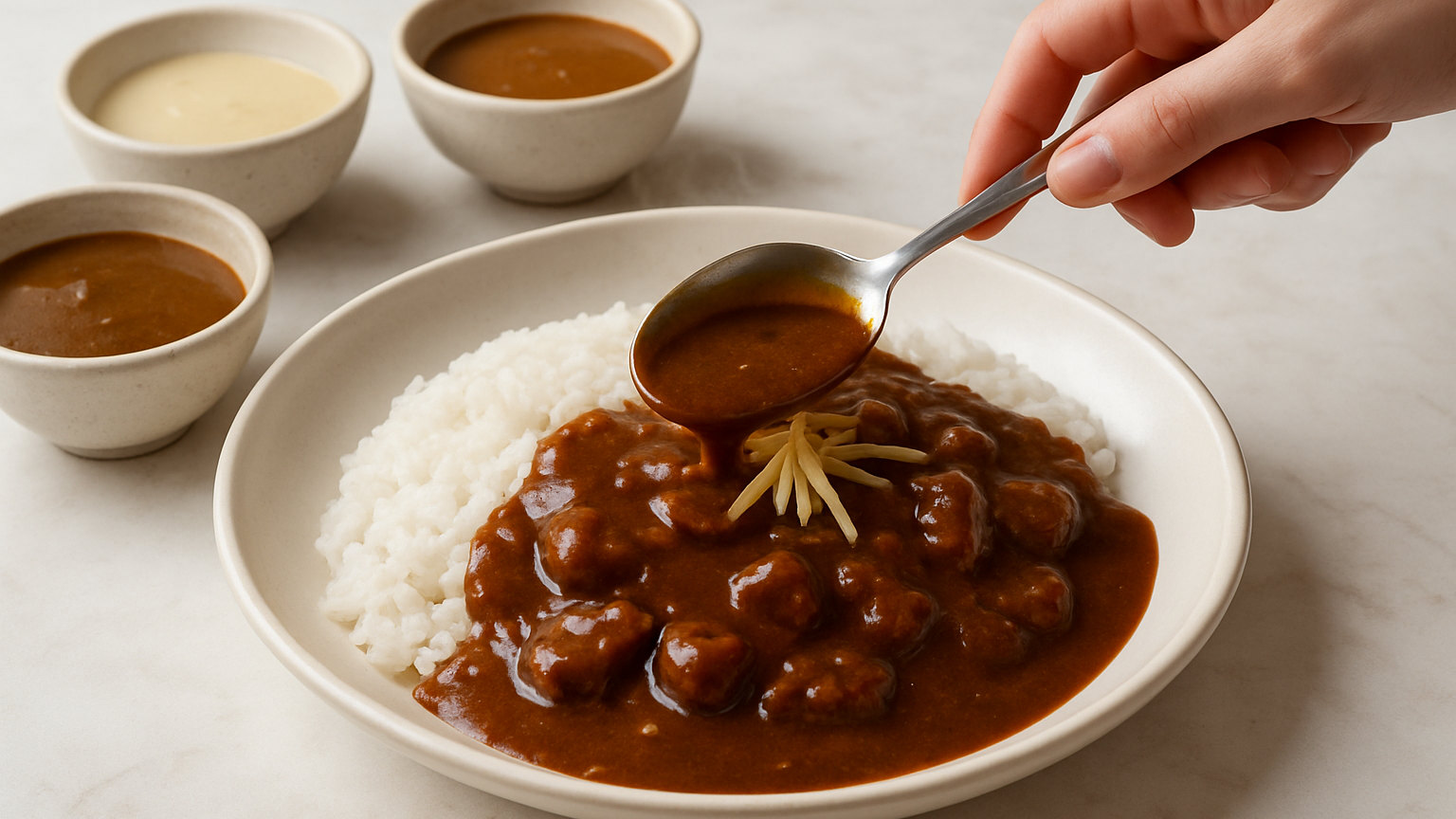
The curry layer wants brown, as it would for any curry sauce. The white sauce over it wants a white roux at three minutes, with no colour at all. Making both in one session is the clearest demonstration of what the stages actually do, since the difference is visible side by side.