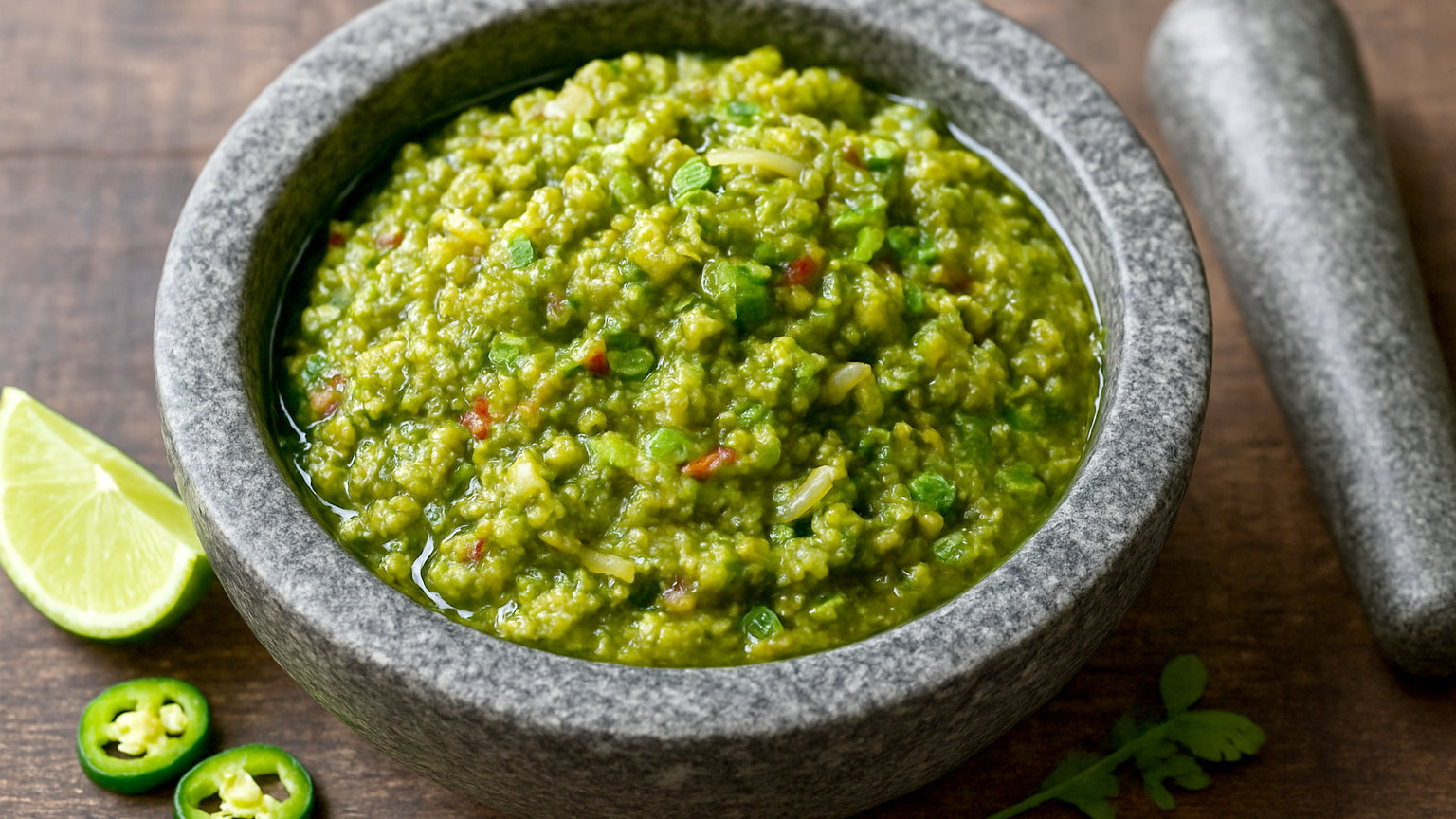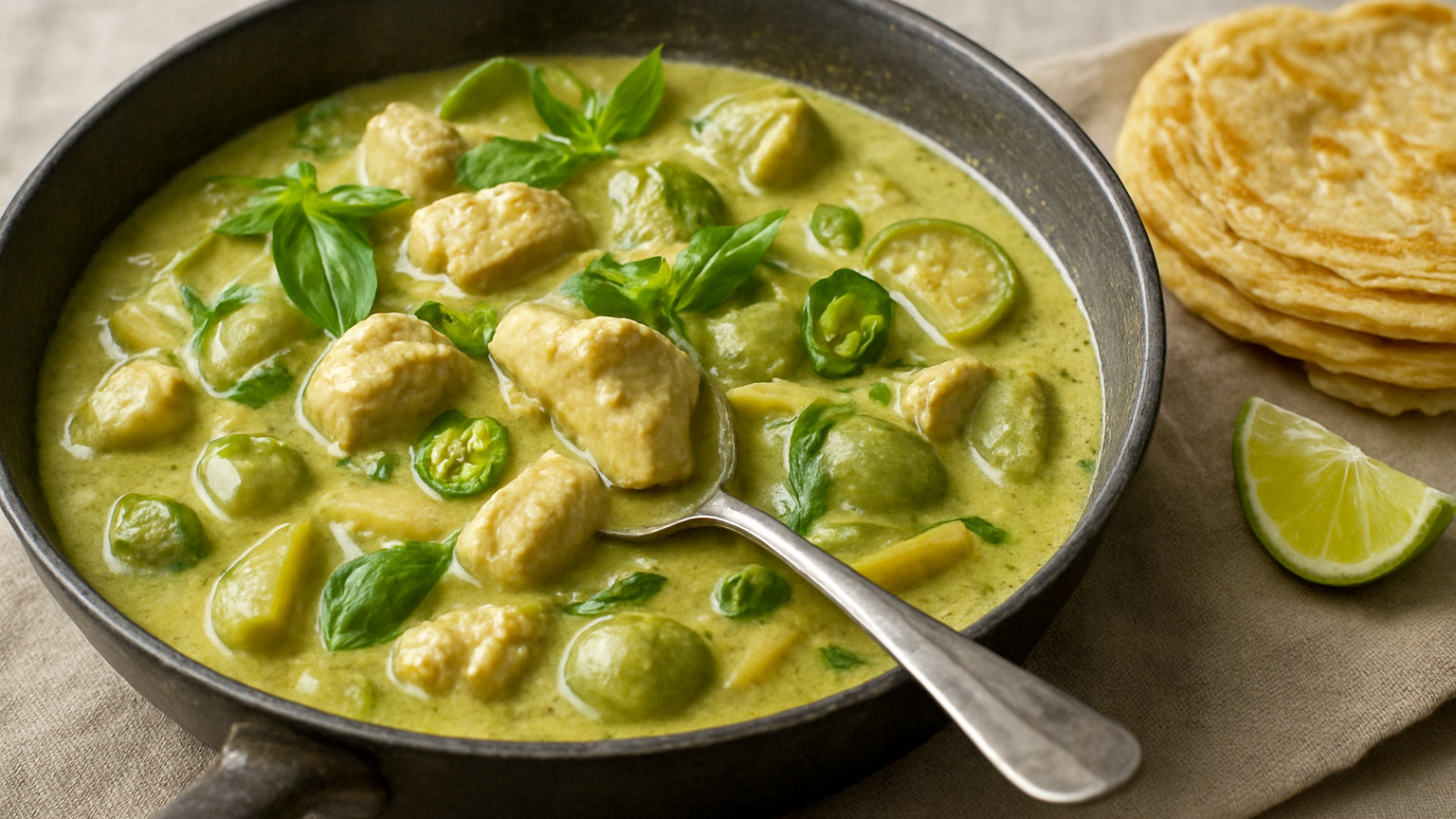
The most common single fault in a home-cooked Thai curry is not enough paste. Jar instructions typically suggest two tablespoons for four people, and the result is a mildly aromatic coconut sauce rather than a curry.
What are the working quantities?
- British-made jarred paste - 5 to 6 tablespoons for four portions.
- Thai-made tub paste - 3 to 4 tablespoons, since these are considerably stronger.
- Homemade paste - 3 to 4 tablespoons, and it is stronger again.
- Per person as a rule of thumb - around a heaped tablespoon of shop-bought, or two teaspoons of homemade.
Why do the labels understate it?
Caution about heat, mostly. A manufacturer selling to a broad market would rather a customer found the dish mild than inedible, and the safest recommendation is a low one. There is also a commercial logic in a jar appearing to stretch further than it does.
Neither is dishonest, but it does mean the instruction is aimed at avoiding complaints rather than producing the best result.
Does more paste mean more heat?
Yes, and this is the real tension. Paste carries both the aromatics and the chilli, so you cannot increase one without the other. Doubling the paste doubles the lemongrass and the galangal, which is what you want, and also doubles the burn.
The solution is to use plenty of paste and manage the heat separately. More full-fat coconut cream buffers capsaicin, and a little extra palm sugar rounds it off. Both let you keep the aromatic intensity while pulling the heat back.
How do you judge it by taste?
Taste the pan after frying the paste and before adding the liquid. At that point it should be almost overwhelmingly intense, far stronger than you would want to eat, because the coconut liquid and the protein will dilute it substantially.
If it tastes pleasant and balanced at that stage, there is not enough paste in the pan. That is a useful and counterintuitive test.
Does the type of curry change the quantity?
Somewhat. Massaman and panang use slightly less because they contain other bulk ingredients such as peanut and potato. Jungle curry uses considerably more, since there is no coconut milk to carry the flavour and the paste has to do everything.
Can you add more partway through?
You can, but not by stirring it into the simmering sauce, where it will stay raw. Fry the extra separately in a spoonful of oil or coconut cream for two minutes, then stir that in. It takes three minutes and avoids the gritty raw taste.
How long does a tub last?
A 400g tub of Thai paste, at four tablespoons a curry, gives roughly six curries serving four. Refrigerated under oil it keeps two to three months, and frozen in cubes it keeps six. Buying the large tub rather than the small jar is both cheaper and better.
What if you have used too much?
Add more coconut milk and a little more protein or vegetable to increase the volume, then rebalance with fish sauce, sugar and lime. Diluting with water alone thins the sauce and dulls it, where more coconut milk dilutes the heat while keeping the body.
Should you weigh it rather than spoon it?
Tablespoons vary considerably depending on how firmly you pack a stiff paste, and a heaped spoon of dense tub paste can be double a level spoon of a loose jarred one. If you cook the same curry often, weigh it once to find your number. Around 80 to 100g of shop-bought paste for four portions is a reasonable target.
Does the paste quantity change the cooking time?
The frying stage does. More paste needs a little longer in the split coconut oil to cook out properly, perhaps four or five minutes rather than three. The simmering afterwards stays the same, since that is governed by the protein and vegetables rather than by the paste.