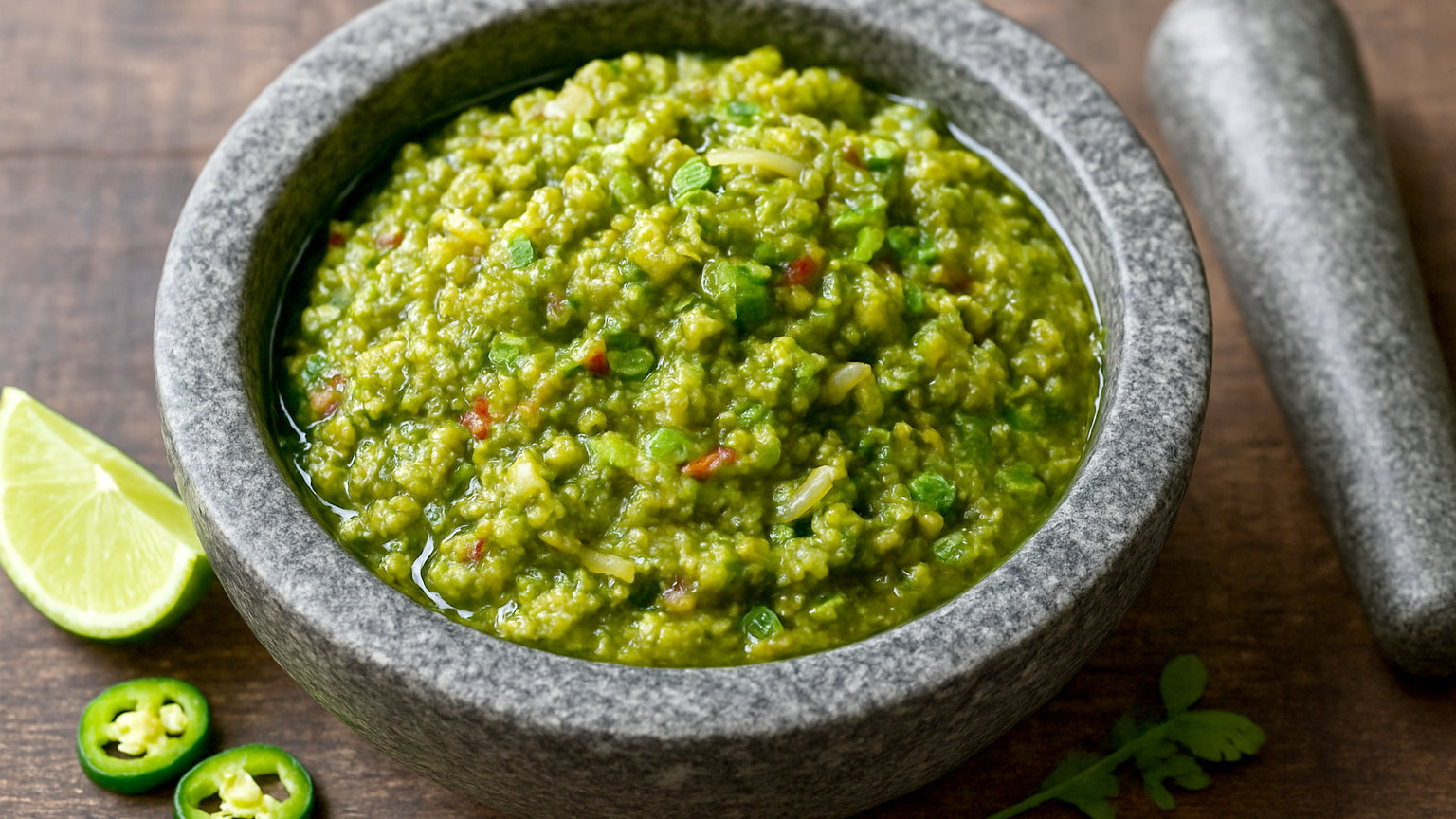
There is no shame in a shop-bought paste and plenty of good cooks use one. What matters is buying a decent one and understanding that the quantity on the label is not the quantity you need.
What separates a good paste from a poor one?
The ingredient list, read in order. A good paste leads with chilli, lemongrass, galangal, garlic and shallot, and contains shrimp paste and kaffir lime. A poor one leads with water, vegetable oil, salt or sugar, which tells you the aromatics are present in small quantity.
As a rough rule, pastes made in Thailand and sold in plastic tubs are stronger and more authentic than those made in Britain and sold in small glass jars. They also cost less per gram by a wide margin.
How much should you actually use?
Two to three times what the jar recommends. A typical British jar suggests two tablespoons for four portions, and four to six is closer to right. Thai-made tub pastes are stronger, and three or four tablespoons will do.
The labels are conservative because manufacturers are cautious about heat complaints. Start at four tablespoons, taste after frying, and add more if it needs it.
What is a jarred paste usually missing?
- Freshness - the volatile herbal notes fade in a jar, which is why homemade tastes so much brighter.
- Kaffir lime - often present in small quantity or absent entirely.
- Coriander root - rarely included, and a distinctive part of the flavour.
- Thai basil - never in the paste, always added fresh at the end.
- Balance - most jars are salt-heavy and short on aromatics.
How do you improve one?
Add back the fresh elements the jar has lost. Pound or finely chop a stalk of lemongrass, a thumb of galangal, two garlic cloves and a few coriander roots, and work them into the paste before frying.
Beyond that, half a teaspoon of shrimp paste adds the savoury depth most jars lack, and four torn kaffir lime leaves in the simmering sauce restore the citrus note. Fresh green chilli at the end lifts the heat.
Does it still need frying?
Even more so than a homemade paste. Jarred pastes contain more water and taste noticeably raw straight from the tub, and three or four minutes in split coconut oil transforms them.
This is the most common reason a curry made with a shop-bought paste disappoints. The paste was fine and the method skipped the step that would have made it work.
Are the vegetarian versions any good?
Variable, and the honest answer is that removing shrimp paste costs a real flavour. The better vegetarian pastes compensate with extra fermented soy or miso-like ingredients. If you are cooking vegetarian, a teaspoon of light miso or a splash of soy sauce added to the pan makes up some of the difference.
How should it be stored?
Refrigerated after opening, with a film of oil poured over the surface to exclude air. A tub keeps two to three months this way. Better still, portion it into an ice cube tray and freeze, where it keeps six months and thaws in a hot pan in seconds.
Do the small jars ever make sense?
Only if you cook Thai food very occasionally and would otherwise waste a tub. Even then, a large tub portioned into an ice cube tray and frozen solves the problem entirely and costs less per curry. The small jars are convenient rather than good, and the price per gram is usually three or four times higher.
Does it matter how the paste smells?
It is the most useful test available in a shop, since you cannot taste before buying. Open a tub at home and the aroma should hit you immediately with lemongrass, chilli and something savoury behind it. A paste that smells faint, flat or mostly of salt will produce a curry that tastes the same way.