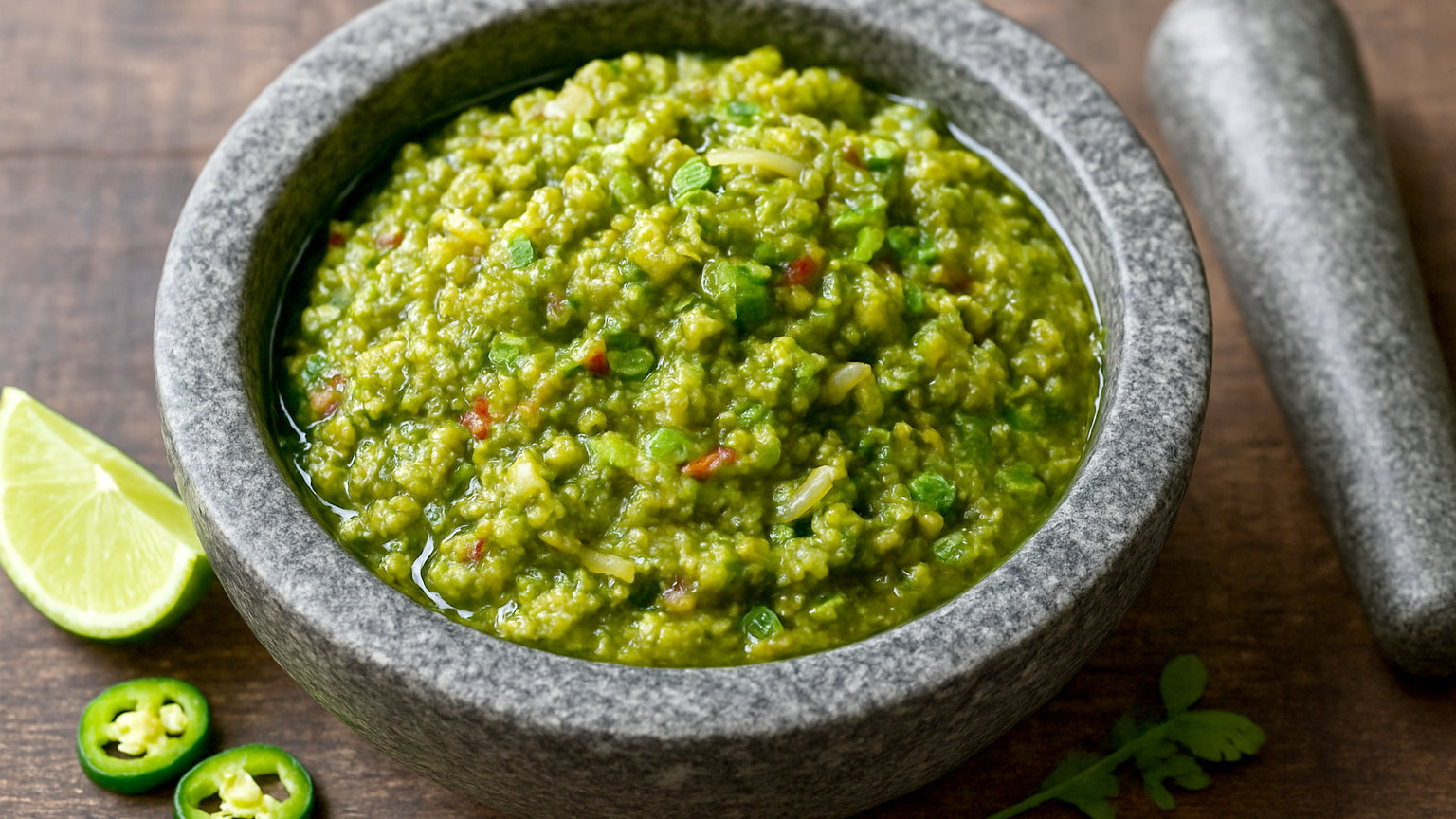
Panang is the one Thai curry with a sauce that clings. Green, red and yellow are all comparatively loose and are meant to be spooned generously over rice. A panang sits on the plate as a thick glossy coating, and that difference is deliberate rather than incidental.
What does the thickness do?
It concentrates everything. The same quantity of paste in half the liquid tastes twice as intense, so a panang delivers more flavour per mouthful than a looser curry does.
That intensity is why it is eaten in smaller quantities. On a Thai table a panang is one dish among several rather than the centrepiece, and a few spoonfuls alongside rice, a soup and a vegetable dish is the intended portion.
How thick should it actually be?
Thick enough to coat the back of a spoon and hold there. A spoon dragged across the base of the pan should leave a channel that closes slowly rather than flooding back immediately.
On the plate, a portion should sit in a mound rather than spreading into a pool. If sauce runs out to the edge of the plate, it needed another five minutes.
What makes it thick?
- Ground peanuts - in the paste and often added again in the pan, absorbing liquid and swelling.
- A high proportion of coconut cream - the thick fraction rather than the watery liquid beneath it.
- Much less added liquid - around 150ml for four portions where a red curry takes 400ml or more.
- Reduction - six to eight minutes of uncovered simmering before the protein goes in.
- Less watery protein - sliced beef or chicken rather than anything that releases a great deal of moisture.
Should you add a thickener?
No, and cornflour in particular gives a glossy, slightly gluey texture that is quite different from the rich coconut consistency a panang should have. The thickening should come from reduction and from the peanut, both of which add flavour while they work.
If you need more body, grind another tablespoon of roasted peanuts into the pan rather than reaching for starch.
Does the protein affect it?
Substantially. Beef and chicken release relatively little liquid when sliced thin and cooked briefly. Prawns, and any vegetable with a high water content, release a great deal and can thin a sauce you spent ten minutes reducing.
Where the protein is watery, reduce the sauce further than you think it needs before adding it, and expect it to loosen.
Can it be too thick?
Yes, and the failure looks like a paste rather than a sauce. If it has tightened past the point where it coats and started to look claggy, loosen it with a splash of the reserved thin coconut liquid rather than water, which would dilute the flavour along with the texture.
Does it thicken further off the heat?
Noticeably, as the coconut fat cools and sets slightly. A panang that looks correct in the pan will be thicker on the plate two minutes later, and thicker again as a leftover. Pull it off the heat a shade looser than you want it.
How does it change the way it is served?
Portions are smaller and the rice does more work. Where a green curry might be ladled over a plate, a panang is served as a modest mound alongside a generous quantity of rice, with the sauce clinging to the meat rather than soaking into the grain.
What if a recipe gives coconut quantities without explaining?
Assume it is wrong and hold liquid back. A great many panang recipes written for a British audience simply repeat the coconut quantities from a red curry, which produces a perfectly pleasant dish that is not a panang. Add half, reduce, and top up only if needed.
Does the pan width matter?
A great deal, since evaporation depends on surface area. A wide shallow pan reduces a sauce roughly twice as fast as a tall narrow one holding the same volume, which matters when the whole dish depends on concentration. Use the widest pan you own.