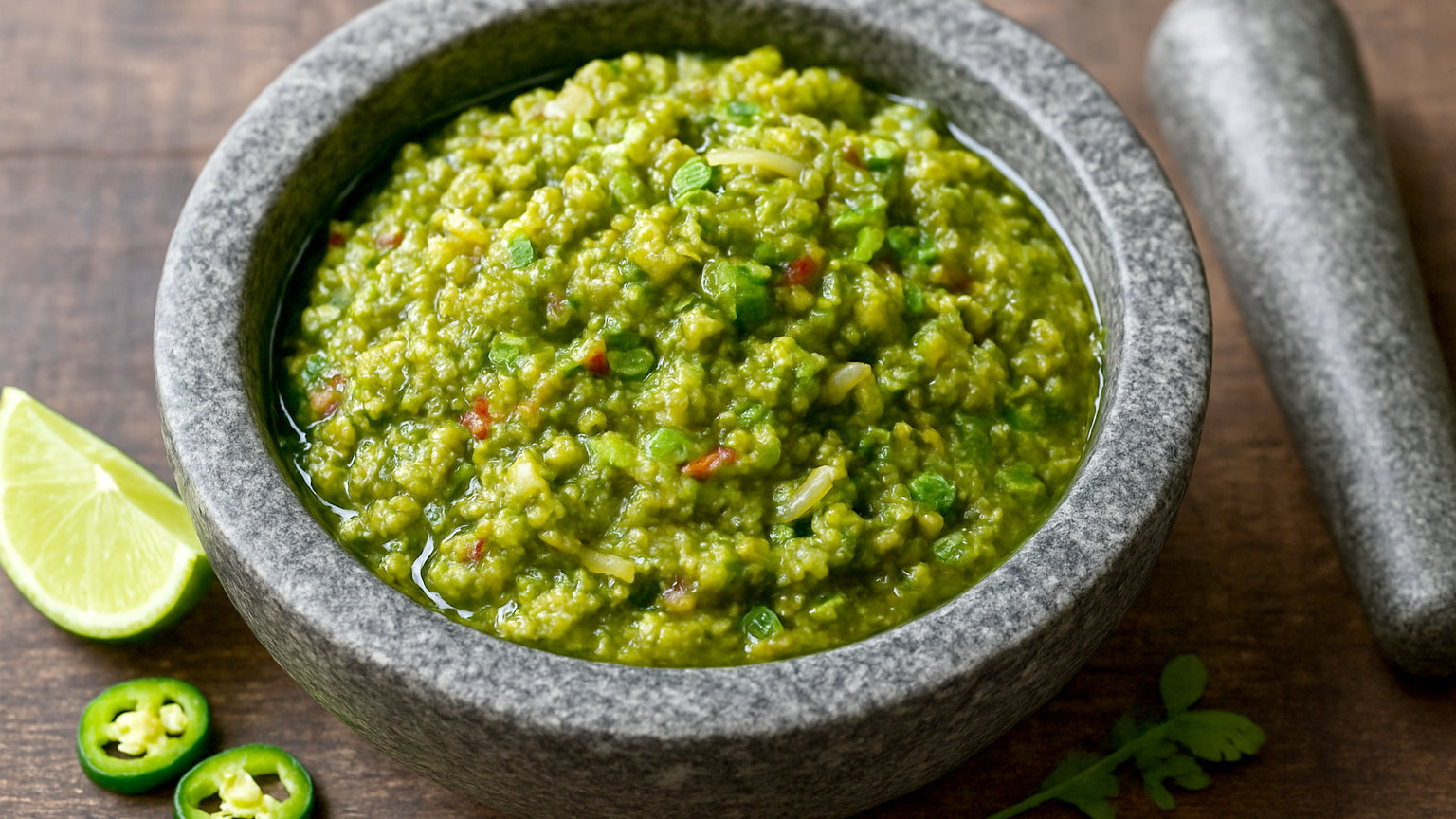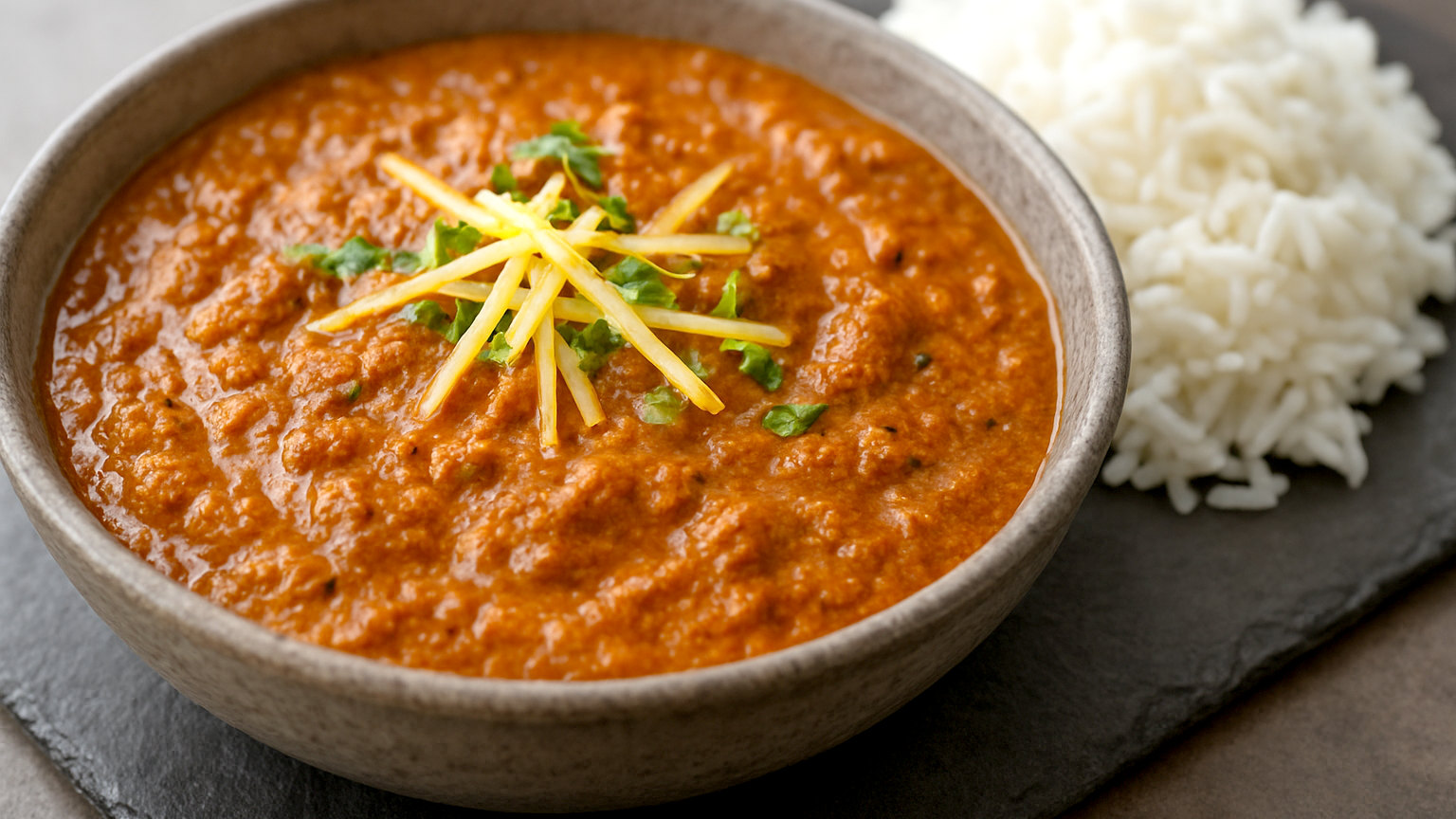
Yellow curry paste sits between a red paste and a massaman one. It keeps the lemongrass, galangal and shrimp paste that make it Thai, adds a substantial quantity of dried ground spice, and pulls the chillies back so the dish comes out mild.
Fresh or dried turmeric?
Fresh where you can get it, and it makes a real difference. Fresh turmeric root looks like small orange-fleshed ginger, and it is brighter, more citric and considerably less bitter than the dried powder.
Dried ground turmeric works and is what most people will use. Because it is more concentrated and more earthy, use around a third of the weight you would use fresh and taste as you go.
Fresh turmeric stains everything it touches, including hands, chopping boards and the mortar. Wear gloves if that matters.
Why toast the seeds?
Because coriander and cumin seed carry more of the flavour here than in any other Thai paste, and toasting deepens them substantially while making them brittle enough to grind cleanly. Ninety seconds in a dry pan until fragrant, then cooled completely before grinding.
Yellow curry paste
Makes around 220g, enough for two curries serving four. Thirty minutes of work.
Ingredients
- 8 large dried red chillies, deseeded and soaked 20 minutes
- 2 small dried red chillies, soaked with them
- 1.5 tbsp coriander seeds and 2 tsp cumin seeds
- 1 tsp white peppercorns
- Seeds from 3 green cardamom pods
- 1.5 tsp salt
- 40g fresh turmeric, peeled and chopped, or 1.5 tbsp ground turmeric
- 3 lemongrass stalks, finely sliced
- 25g galangal, finely chopped
- 8 garlic cloves and 6 Thai shallots, chopped
- 2 tbsp coriander roots and stems, chopped
- 1.5 tsp shrimp paste
Method
- Soak the dried chillies in hot water for 20 minutes, then drain and squeeze dry. Discard the water.
- Toast the coriander and cumin seeds for 90 seconds until fragrant, then add the peppercorns and cardamom seeds for 30 seconds more.
- Tip onto a cold plate, cool completely, then grind to a fine powder.
- Wrap the shrimp paste in foil and toast for 2 minutes a side.
- Pound the drained chillies with the salt until broken down.
- Add the lemongrass and pound until fibrous, which takes several minutes.
- Add the galangal and the fresh turmeric and pound to a paste.
- Add the garlic, shallots and coriander roots and continue until smooth.
- Work in the ground spices and the toasted shrimp paste until uniform. If using ground turmeric rather than fresh, add it at this stage.
Why so few chillies?
Because yellow curry is meant to be the gentlest of the coconut curries, and because the ground spices need room. A paste with fifteen chillies in it would taste of chilli rather than of turmeric and cumin, which is the wrong balance for this dish.
Can you shortcut it?
Reasonably. Take four tablespoons of red curry paste, work in a tablespoon of ground turmeric, two teaspoons of toasted ground coriander seed and a teaspoon of ground cumin. It is not identical and it is considerably closer than a jarred yellow paste left open for months.
How long does it keep?
Two weeks refrigerated under a film of oil, six months frozen in an ice cube tray. The turmeric will stain the tray permanently, so use one you do not mind sacrificing.
Should you use curry powder in the paste?
Not in the paste itself, though many cooks add it to the pan. Building the paste from individual toasted whole spices gives you control over the balance, where curry powder is a fixed blend. Keep them separate and you can adjust each independently.
How do you know when it is finished?
When there are no visible fibres of lemongrass or turmeric left and the paste holds together as a single mass. Rub a little between finger and thumb: it should feel smooth rather than stringy. Fresh turmeric is fibrous and takes more work than people expect.