Do You Need a Blender for Base Gravy?
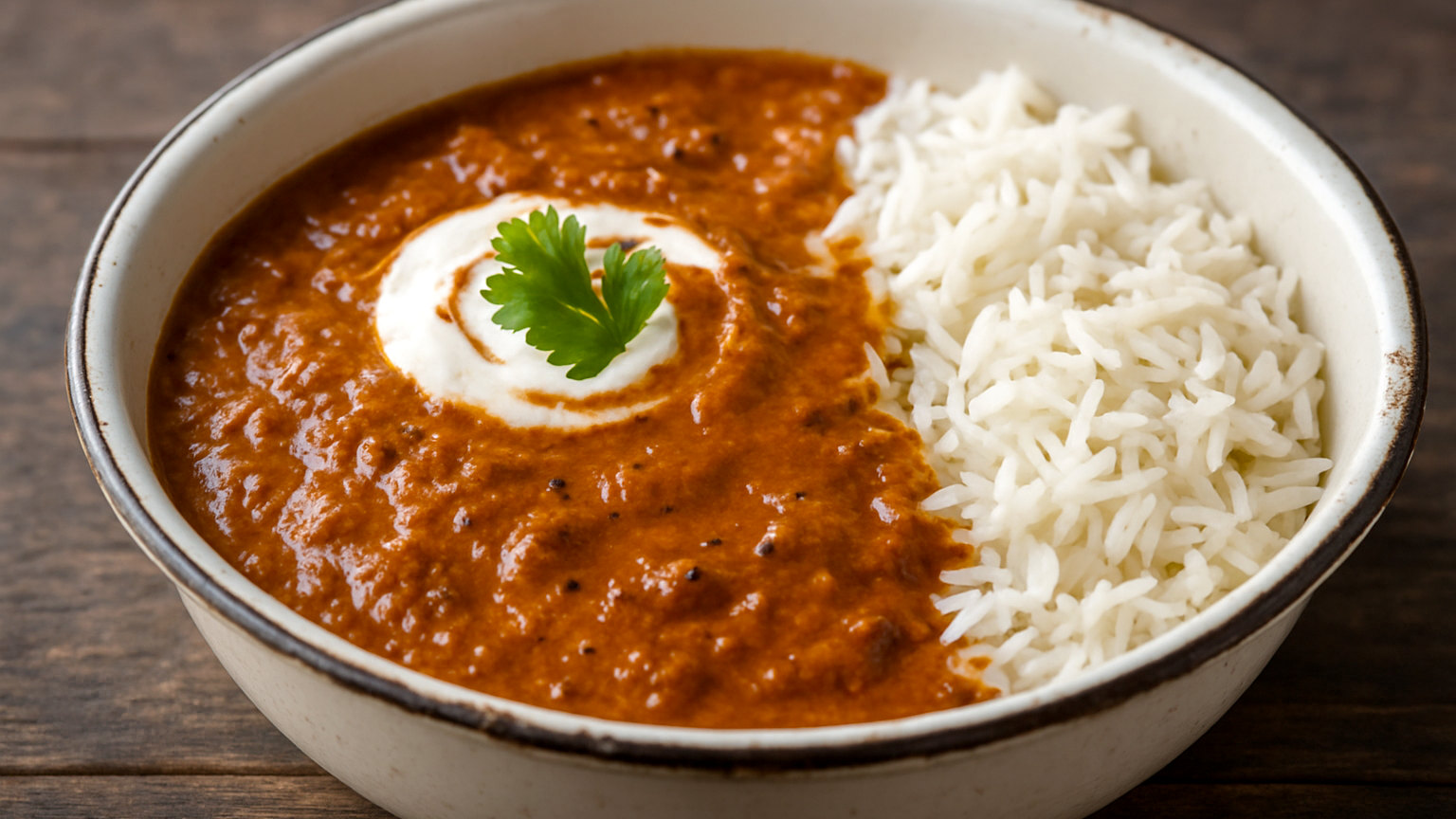
For the curry-house gravy, yes, and it has to go completely smooth. For every other base sauce on this site, no.
By Curry Recipes Team
11 Jun 2025

This is the section to read once and then stop needing. It covers the things every curry recipe assumes you already know: why whole spices and ground spices go in at different points, what blooming actually does, how a restaurant base sauce works and whether it is worth making, and why rice cooked the way the packet says is never as good as rice cooked the way a curry house does it. If a recipe elsewhere on the site tells you to fry the paste until the oil separates, this is where that instruction is explained in full.
For the curry-house gravy, yes, and it has to go completely smooth. For every other base sauce on this site, no.
Everything scales linearly except the timings, which do not. A double batch takes considerably longer to reduce than twice as long to chop.
Coconut, shallot, chilli and curry leaves ground to a paste. It is made fresh rather than batched, and it takes fifteen minutes.
Yes, and it will not be curry-house base gravy. Jain cooking has done it for centuries and there are workable approaches for anyone avoiding alliums.
Onions fried until deep brown then blended with yoghurt and nuts. It is the foundation of korma and biryani and quite unlike boiled base gravy.
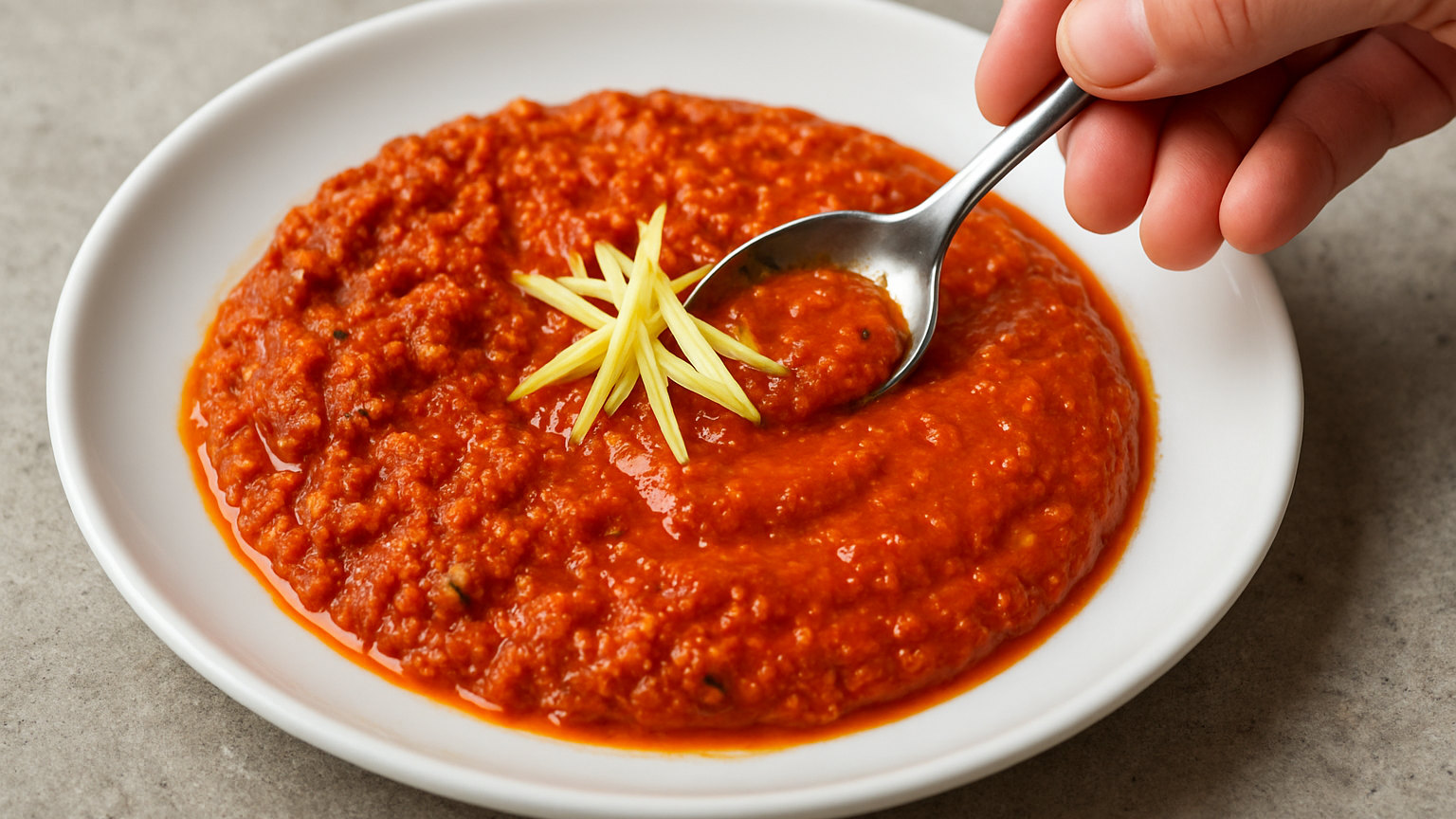
A mortar crushes and a blender chops, which does produce a different paste. The gap is smaller than purists claim and larger than nothing.
Five jobs, filled differently by each cuisine. Once you can see the structure, an unfamiliar paste recipe stops looking like an arbitrary list.
A good Thai brand beats a mediocre homemade paste comfortably. Where making it wins is control over heat, salt and freshness.
Two of the three Indonesian base pastes. White for pale dishes such as opor, red for anything hot, and both fry down and freeze the same way.
Because it was not fried long enough. Almost every homemade curry paste is under-fried, and no amount of simmering afterwards will fix it.
Kashmiri chillies, garlic and whole spices ground with vinegar rather than water. The vinegar is what makes it a vindaloo and what makes it keep.
More than most recipes suggest. Two tablespoons of Thai paste for four is a starting point, and a Malaysian rempah is measured in whole shallots.