Which Pan Should You Use for Curry?
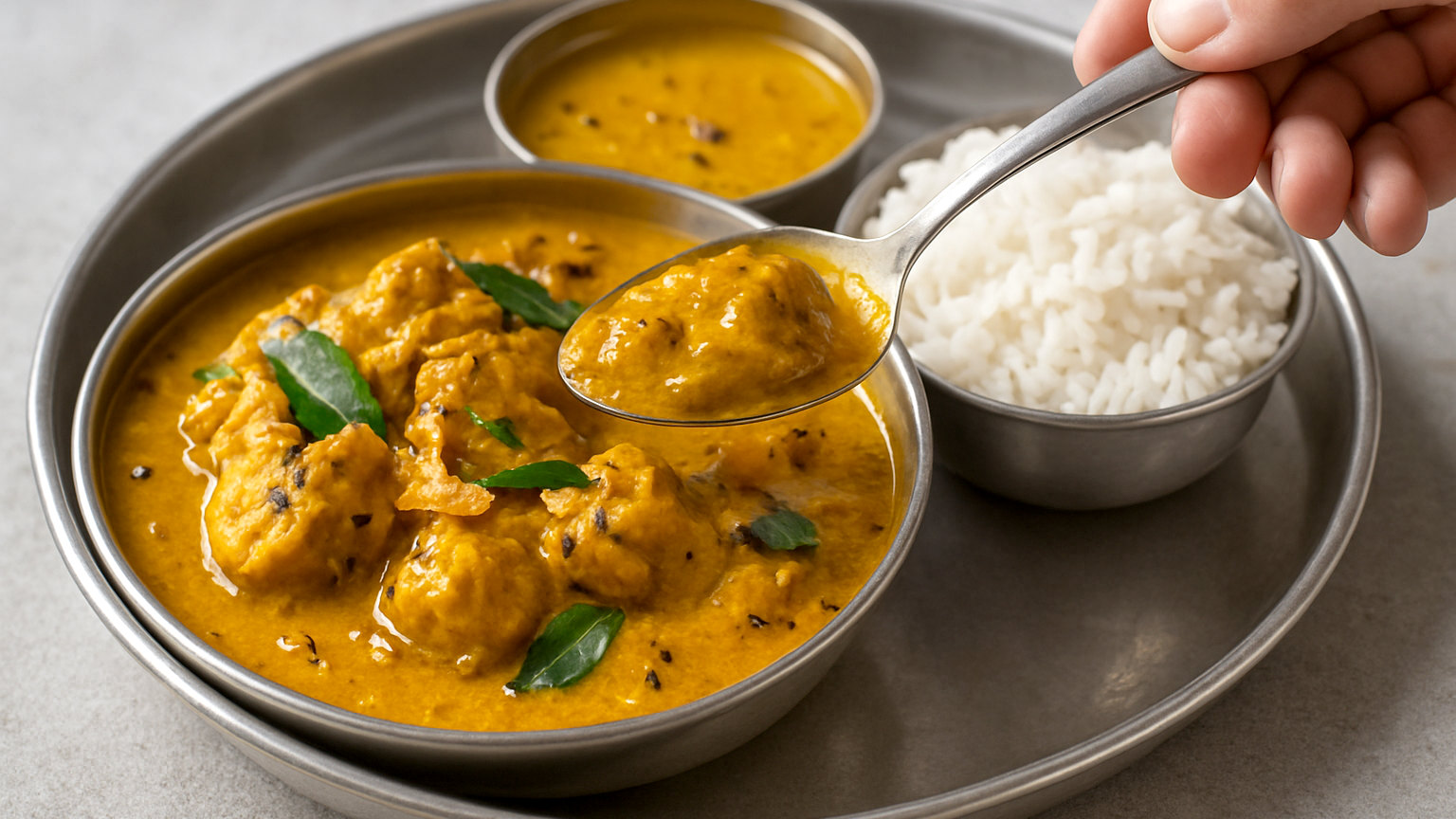
Wide and heavy beats deep and thin for almost everything. The pan affects how fast a sauce reduces more than the burner does.
By Curry Recipes Team
17 Jul 2025

This is the section to read once and then stop needing. It covers the things every curry recipe assumes you already know: why whole spices and ground spices go in at different points, what blooming actually does, how a restaurant base sauce works and whether it is worth making, and why rice cooked the way the packet says is never as good as rice cooked the way a curry house does it. If a recipe elsewhere on the site tells you to fry the paste until the oil separates, this is where that instruction is explained in full.
Wide and heavy beats deep and thin for almost everything. The pan affects how fast a sauce reduces more than the burner does.
Nearly every curry follows the same nine steps in the same order. Learn the sequence and most recipes stop needing to be read closely.
Coriander, cumin, turmeric, Kashmiri chilli, garam masala and cardamom. Those six cover most Indian and Pakistani cooking, and the rest can wait.
It supplies the earthy warmth most people identify as tasting of curry. Whole and ground behave differently and both go into most dishes.
It is the bulk spice that everything else sits on, mild and faintly citric. It is also the one you get through fastest.
Less than you think. A teaspoon in a curry for four is plenty, and more makes it bitter and muddy rather than more yellow.
Two: Kashmiri for colour and something hotter for heat. Keeping them separate is the most useful decision in the spice cupboard.
Two unrelated spices with a shared name. Green is floral and sweet, black is smoky and savoury, and swapping them ruins a dish.
A finishing blend added at the end, not a base spice. Using it like curry powder wastes what it is for and makes every dish taste the same.
Ground spices fade within three to six months and whole ones last a year or more. Nothing goes off, and everything loses the point of buying it.
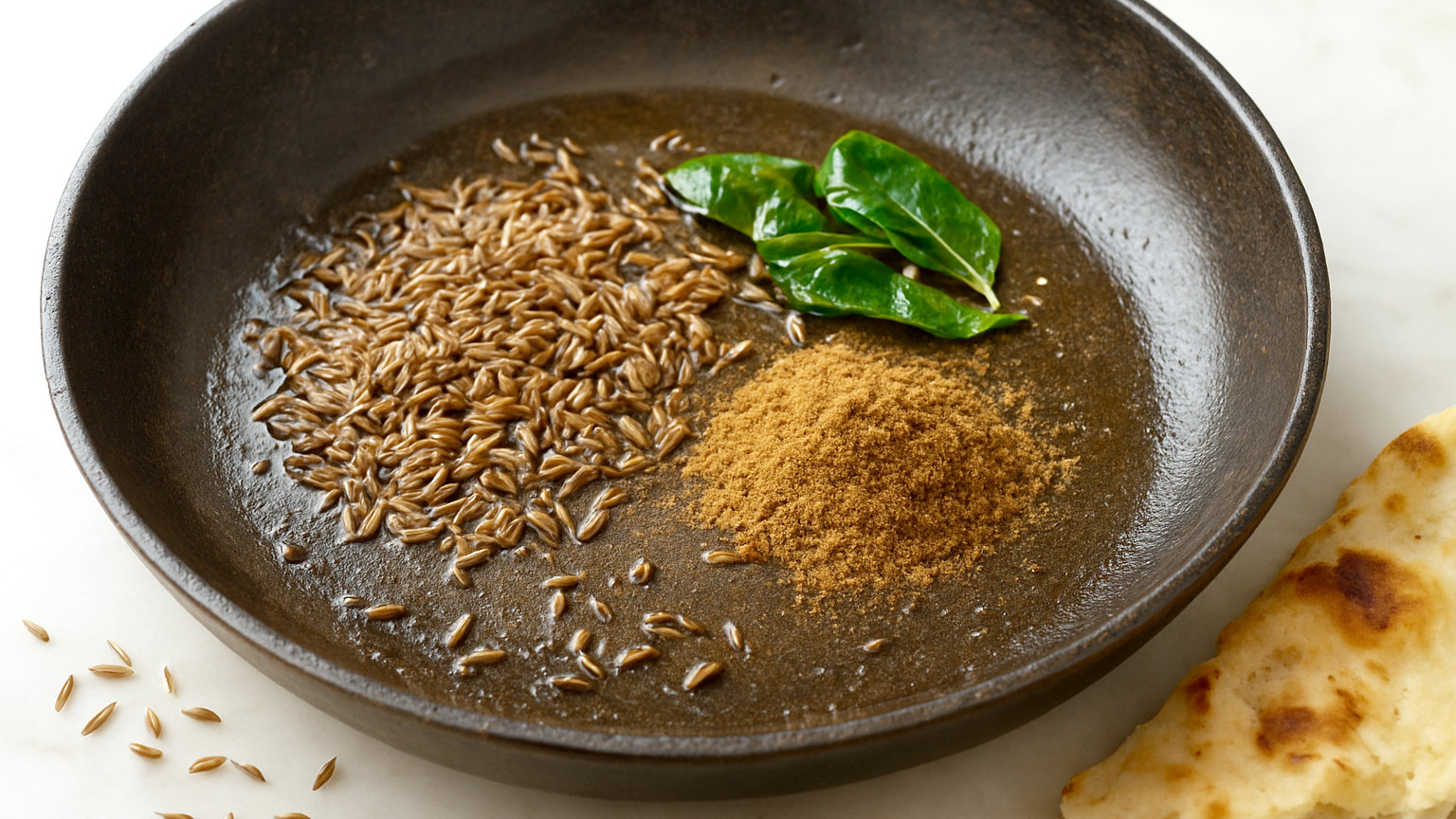
It is the smell people identify as curry powder, and it turns bitter faster than any other spice. The seeds and the leaves behave completely differently.
Mustard, cumin, fennel, nigella and curry leaves. They go into hot fat whole and each behaves differently once they hit it.