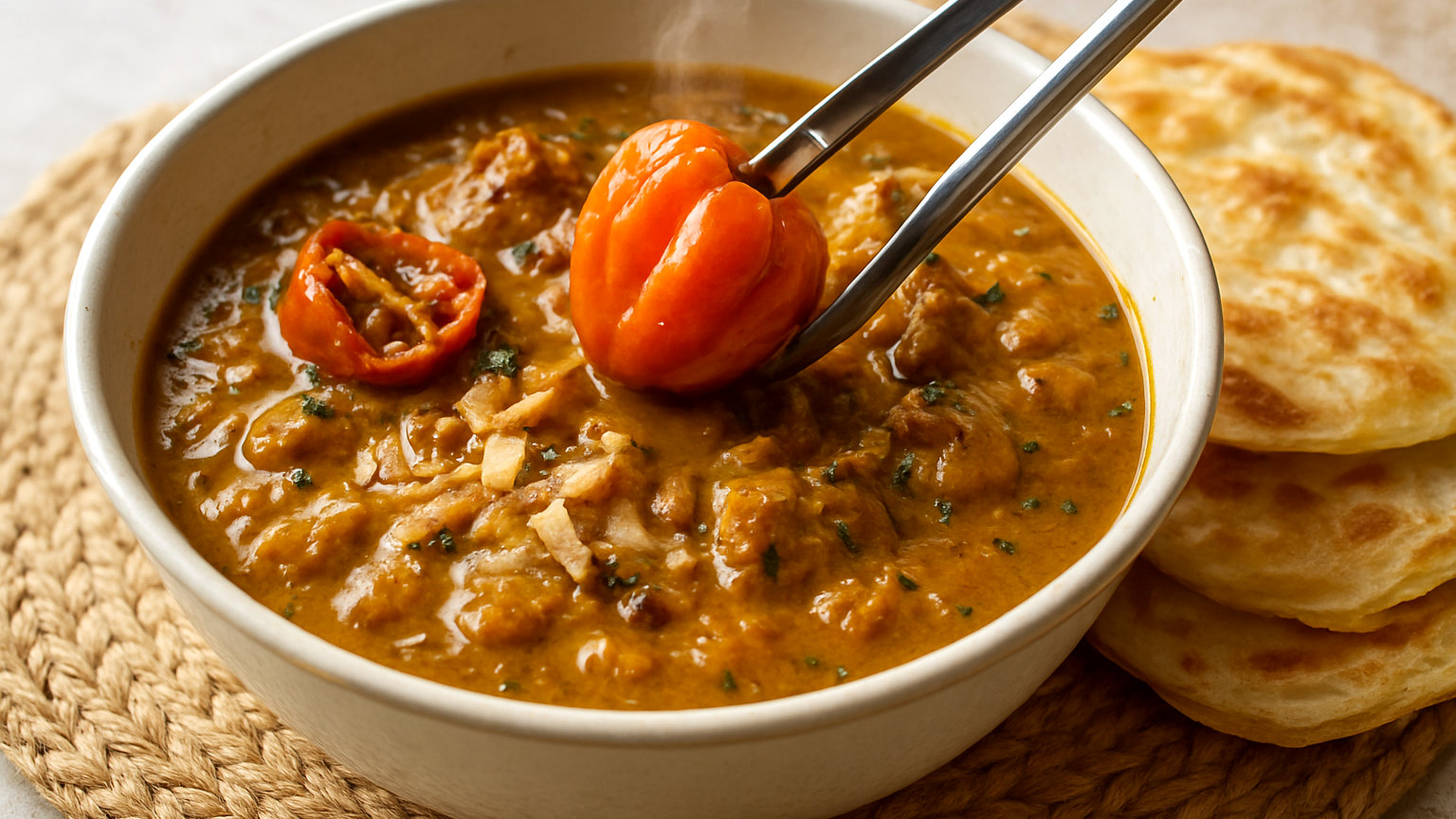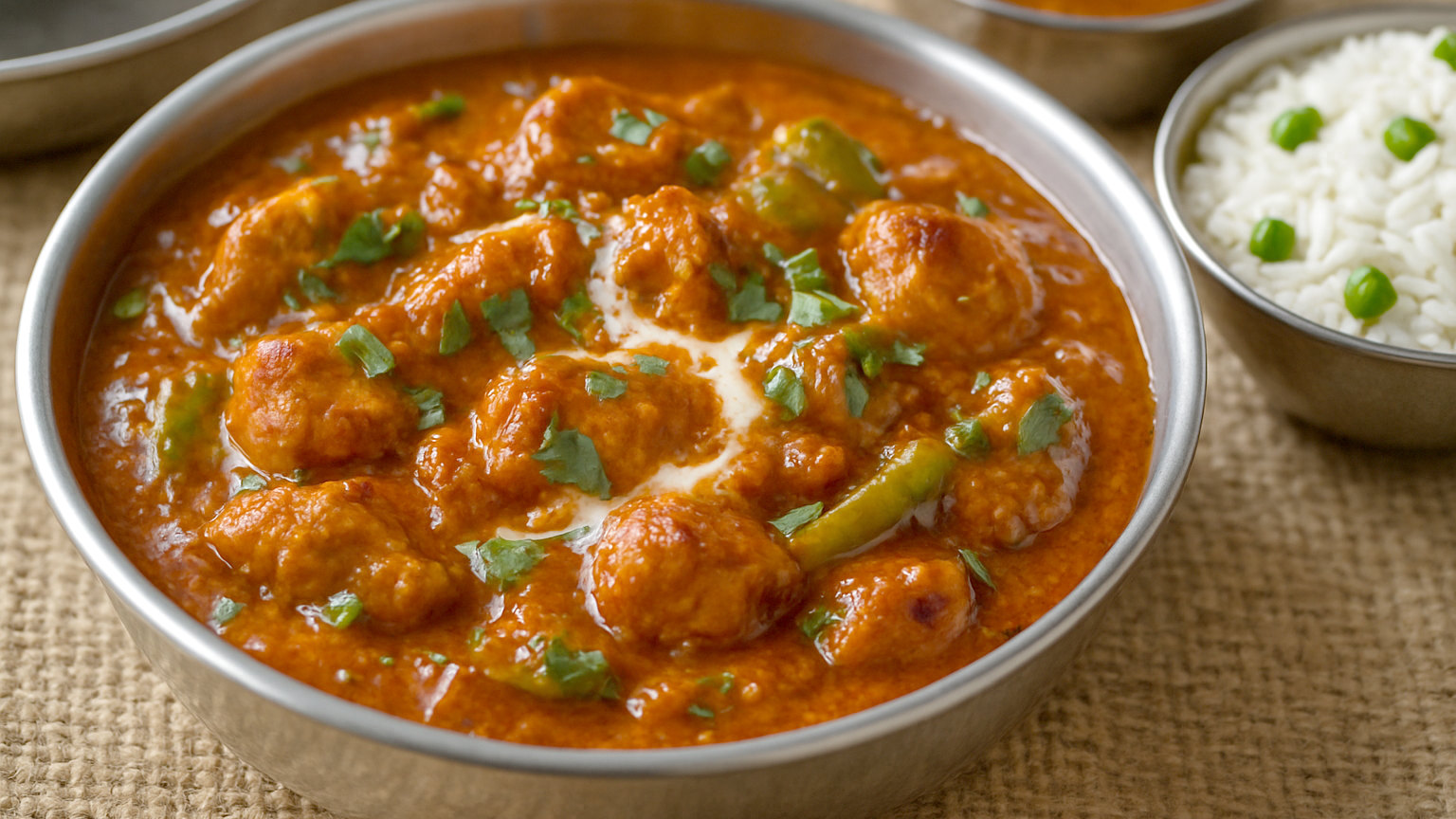
The balti is one of the few dishes on a British curry-house menu with a reasonably documented origin, and it is not in South Asia. It appears to have been created in Birmingham in the mid to late 1970s.
What is the Baltistan claim?
That the dish comes from Baltistan, a mountainous region of northern Pakistan, and that the name refers to it. The connection is asserted frequently and there is very little supporting it.
Baltistan has no dish resembling a balti and no tradition of this style of cooking. The claim appears to be a later rationalisation of the name.
What does the word actually mean?
In Urdu and Hindi, balti simply means bucket or pail. Given that the dish is named for the bowl it is cooked in, that is a considerably more plausible derivation than a region nobody involved came from.
Where in Birmingham?
The area of Sparkbrook, Balsall Heath and Moseley, which became known as the Balti Triangle. Several restaurants there claim to have originated the dish and the exact first is disputed.
By the 1980s there were dozens of balti houses in the area and the dish had spread nationally.
Who created it?
Pakistani and Kashmiri restaurateurs, which distinguishes it from most of the British curry trade, which is largely Bangladeshi. That community background shows in the cooking style, which is closer to a karahi than to a standard curry-house dish.
What made it popular?
- Speed - the thin bowl cooks fast, which suited a busy trade.
- The presentation - arriving in the pan it was cooked in, still sizzling.
- Eating with bread - naan rather than rice, which felt novel.
- Freshness - visible peppers and onion rather than a uniform sauce.
- Sharing - large baltis for a table rather than individual plates.
Is it still distinct?
Less than it was. Many restaurants now serve a balti that is a standard curry-house dish in a balti bowl, with the sharper style and the fresh vegetables lost. The Birmingham originals remain distinct.
Does the origin matter?
Only in that it is worth being accurate. A dish invented in Birmingham by Pakistani restaurateurs for British customers is an interesting piece of food history in its own right, and it does not need a fabricated Himalayan pedigree to be legitimate.
Was it ever standardised?
Never formally, and attempts to define it have not held. There was a campaign to give the Birmingham balti protected status in the 2010s, which did not succeed. The result is that a balti now means whatever a given restaurant serves in a balti bowl.
What did the original taste like?
Sharper and fresher than most curry-house dishes, with visible pieces of pepper and onion and a pronounced hit of lemon and coriander at the end. The Birmingham style leaned closer to a Pakistani karahi than to a standard base-gravy curry.
Why Birmingham?
A large Kashmiri and Pakistani population settled in the city from the 1950s, working in the motor industry and the foundries. As that community established restaurants, the cooking that emerged drew on Pakistani rather than Bengali traditions, which is why the balti differs from the standard menu.
Did it spread abroad?
Barely. The balti is essentially a British phenomenon and it is largely unknown in South Asia, which is itself evidence about its origin. A dish genuinely from Baltistan would presumably be eaten in Baltistan.
Is the bowl significant?
More than it appears. Thin pressed steel heats almost instantly and cools as fast, which suits a dish cooked hard for a few minutes and then served immediately. It also removed a plating step in a busy kitchen, which mattered commercially.
What happened to the Balti Triangle?
It has shrunk considerably from its peak, with many of the original restaurants closed. A handful of long-established ones remain. The dish itself spread nationally and is now cooked in kitchens with no connection to Birmingham at all.