Korma Sauce: Should You Use Cream, Yoghurt or Coconut?
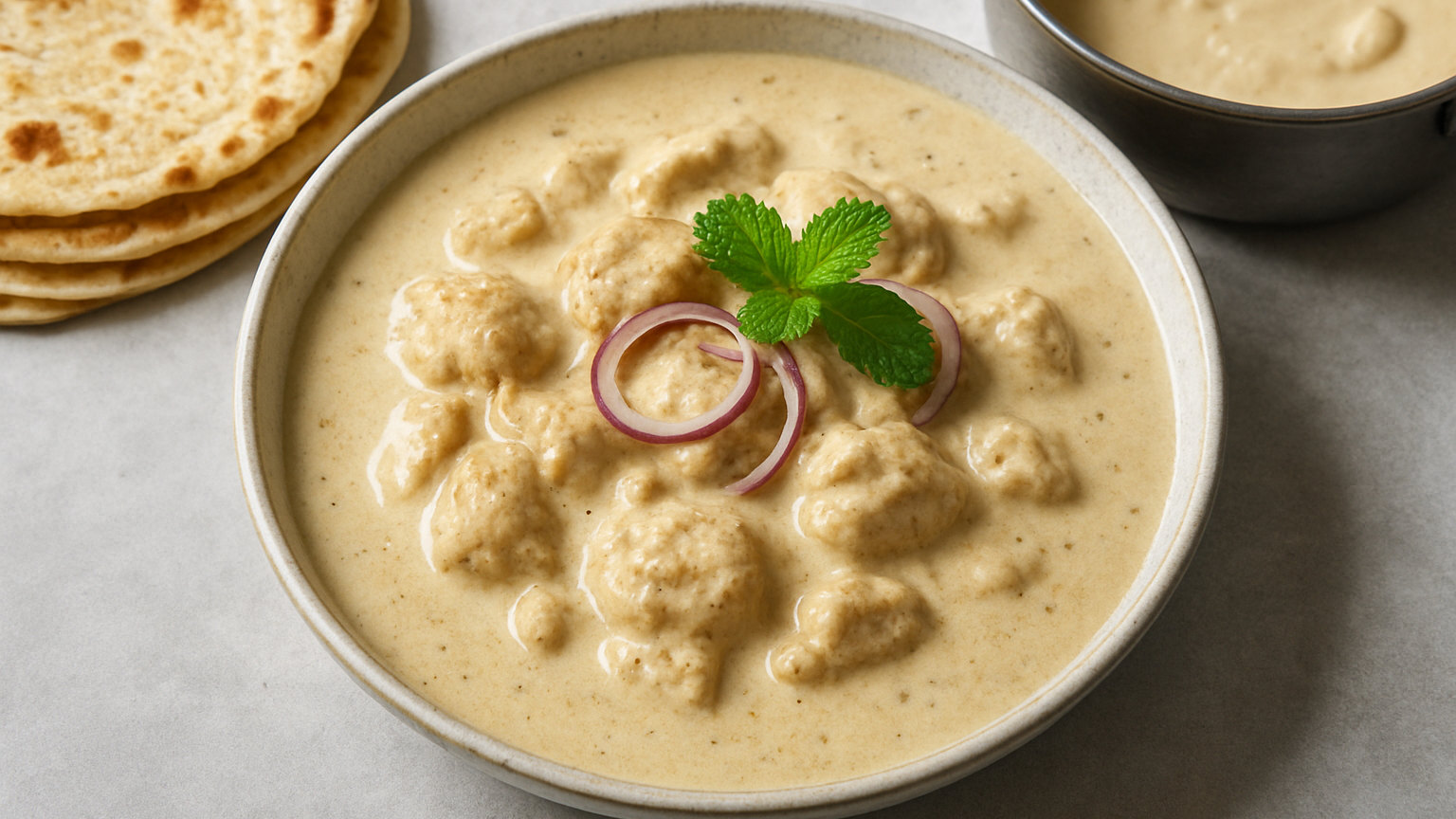
Yoghurt brings tang, cream brings richness and stability, coconut brings sweetness. Most good kormas use two of the three rather than one.
Most Indian curry recipes fail at home for the same two reasons: the onions are not cooked for anywhere near long enough, and the spices go in at the wrong moment. These recipes fix both. Every one says how dark the base should get before anything else joins it, when to add ground spice and when to add whole, and what a finished sauce should look like when it is ready rather than merely hot. Where a dish is a British curry-house invention rather than a regional Indian one - and several of the most popular are - we say so, because knowing which you are cooking tells you how far you can push it.
Yoghurt brings tang, cream brings richness and stability, coconut brings sweetness. Most good kormas use two of the three rather than one.
Restaurant smoothness comes from blending, not from stirring. Soaking the nuts and blending the base are the two steps home versions usually skip.
Korma suits a slow cooker better than most curries, because it never wanted high heat. The dairy is the only thing that needs holding back.
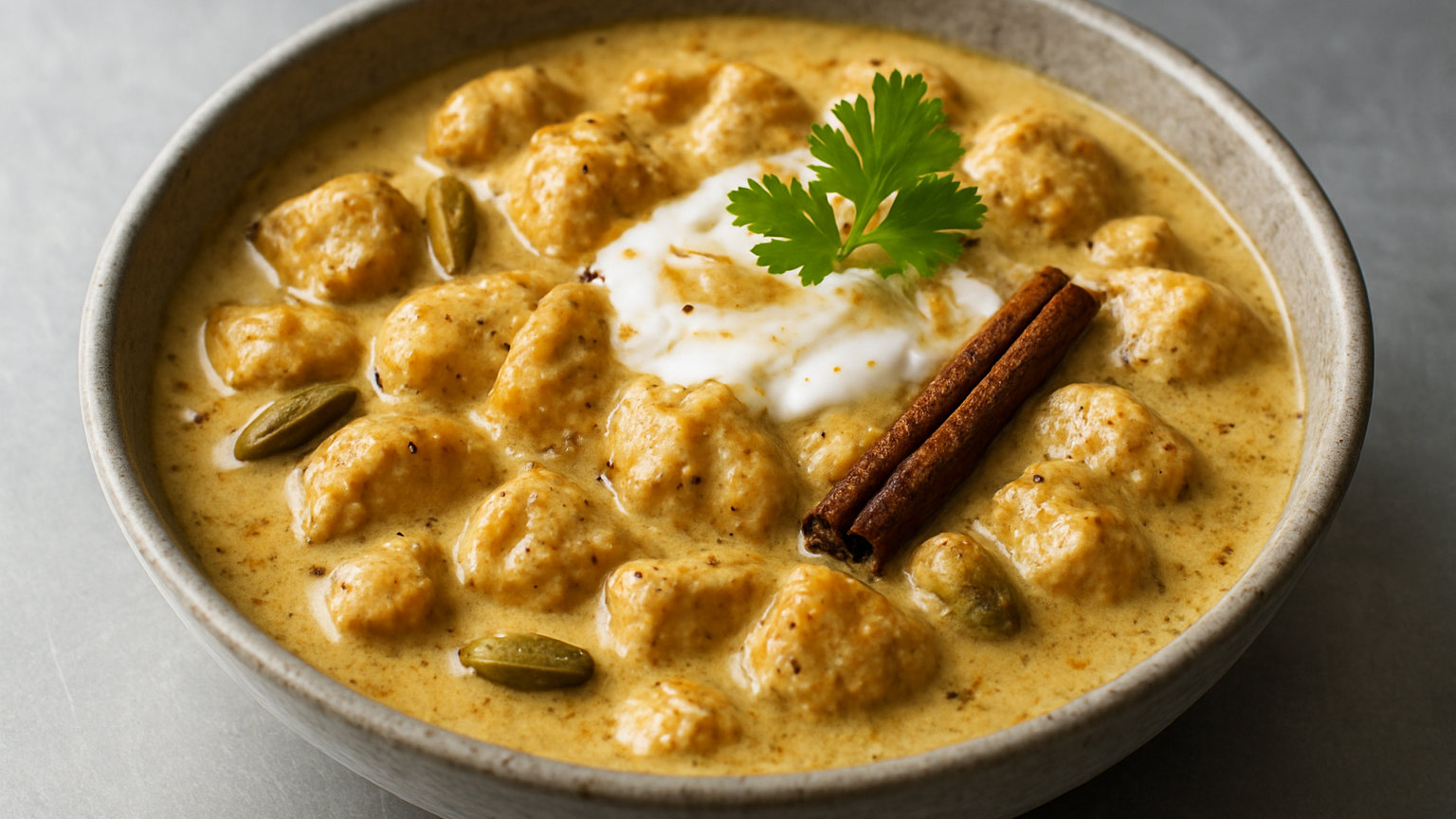
Green cardamom, mace, cinnamon and white pepper carry a korma. What is absent matters as much as what is present, and turmeric is usually left out.
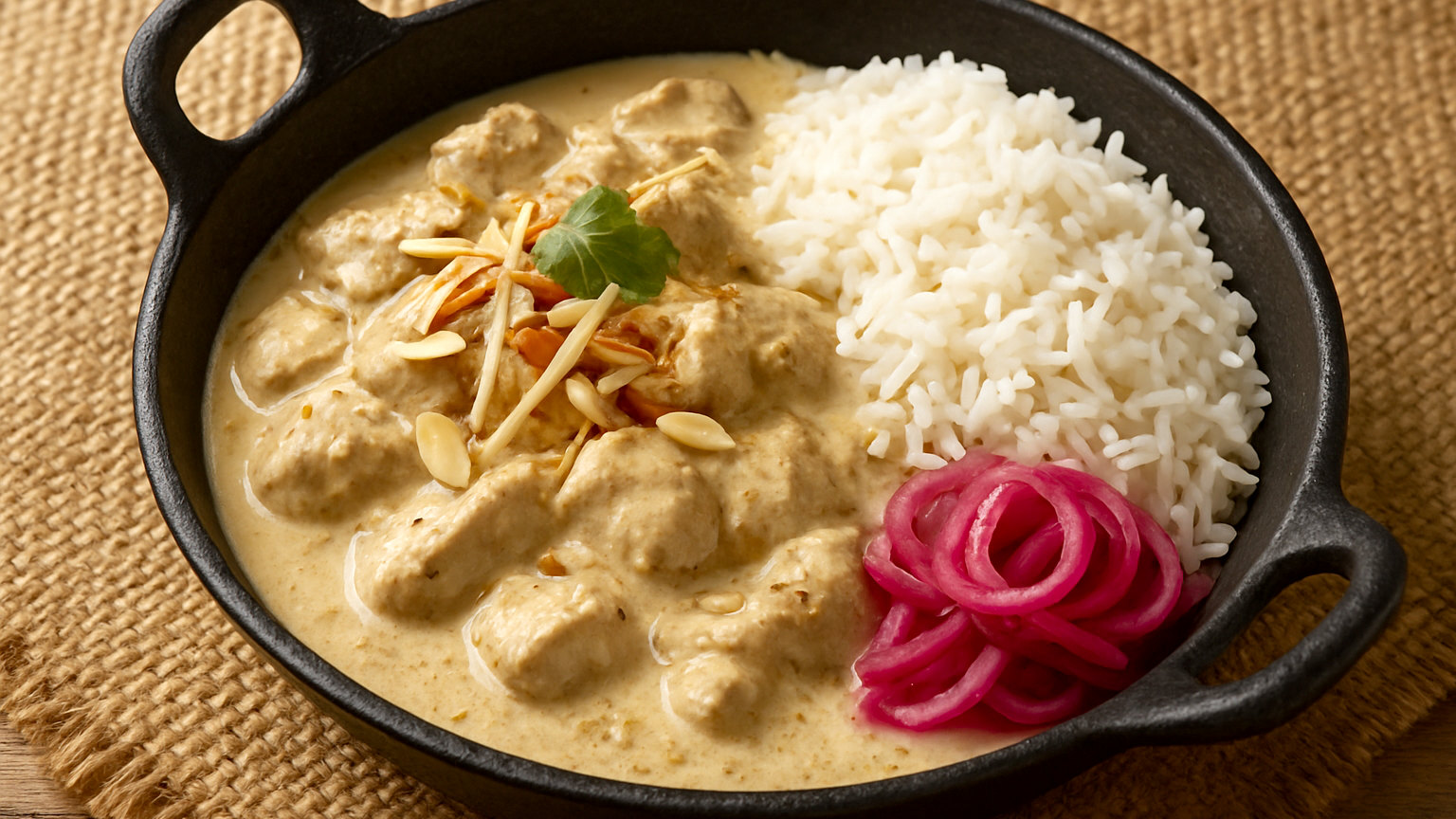
A korma is rich and gentle, so everything beside it should be sharp, plain or crisp. Two rich dishes on one plate cancel each other out.
The takeaway version is a different dish with different aims. Recreating it means coconut, sugar and a blended base rather than a slow Mughal braise.
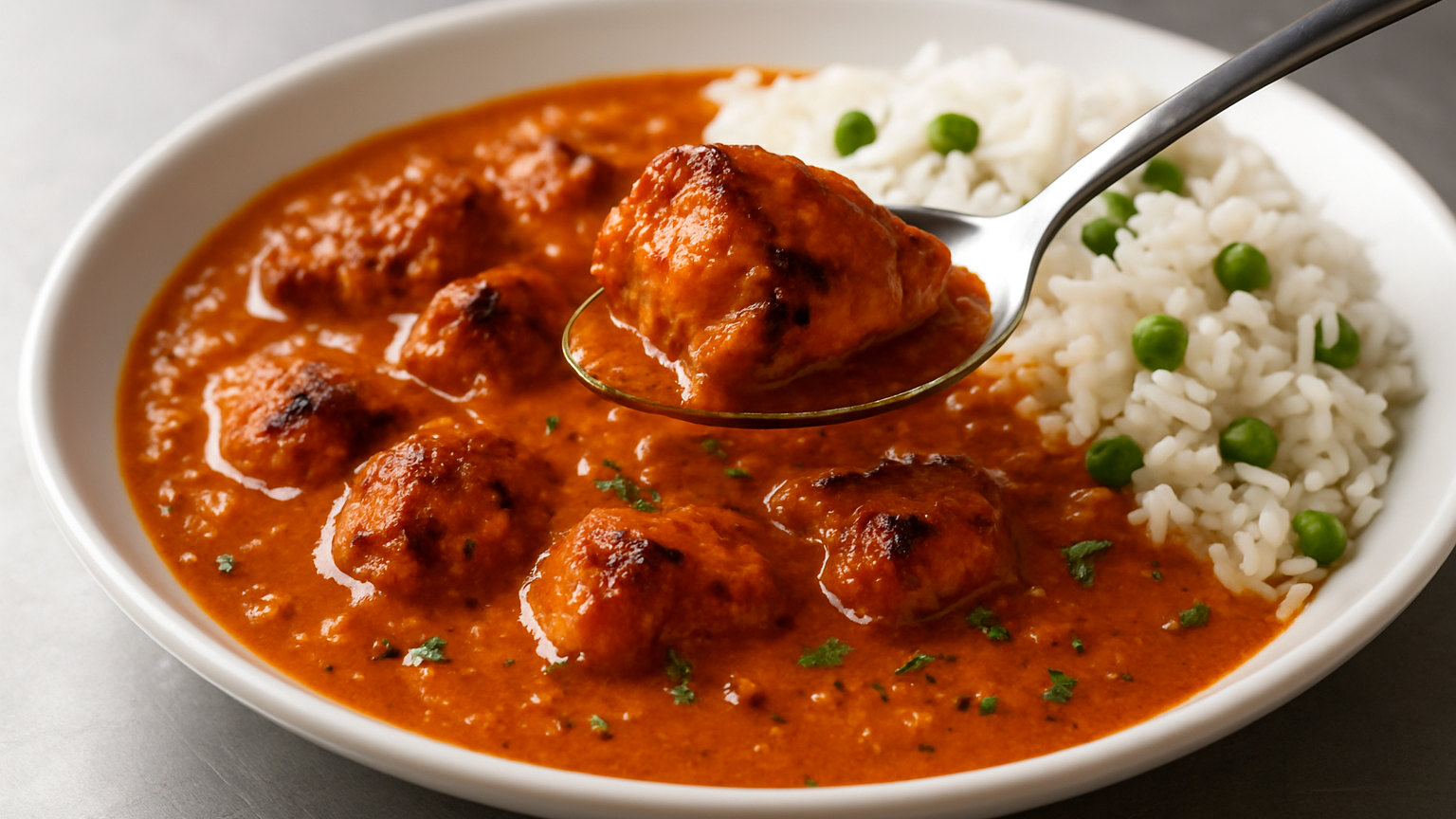
The dish is two recipes rather than one. Char the marinated chicken separately under a fierce heat, then build the sauce, and only bring them together at the end.
The Glasgow origin story is the famous one and the evidence for it is thin. What is clear is that the dish is British rather than Indian.
Tikka means pieces and refers to the marinated grilled chicken. Masala means a spice mixture and refers to the sauce. The dish name is simply both together.
A domestic grill on full power gets close, a very hot cast iron pan gets closer, and a barbecue gets closest of all. What matters is dry, fierce, direct heat.
An air fryer handles the tikka better than an oven and about as well as a grill, with less mess. The sauce still needs a pan.
The vivid orange of takeaway tikka masala usually comes from food colouring. Kashmiri chilli, paprika and tomato give a deeper red without it.