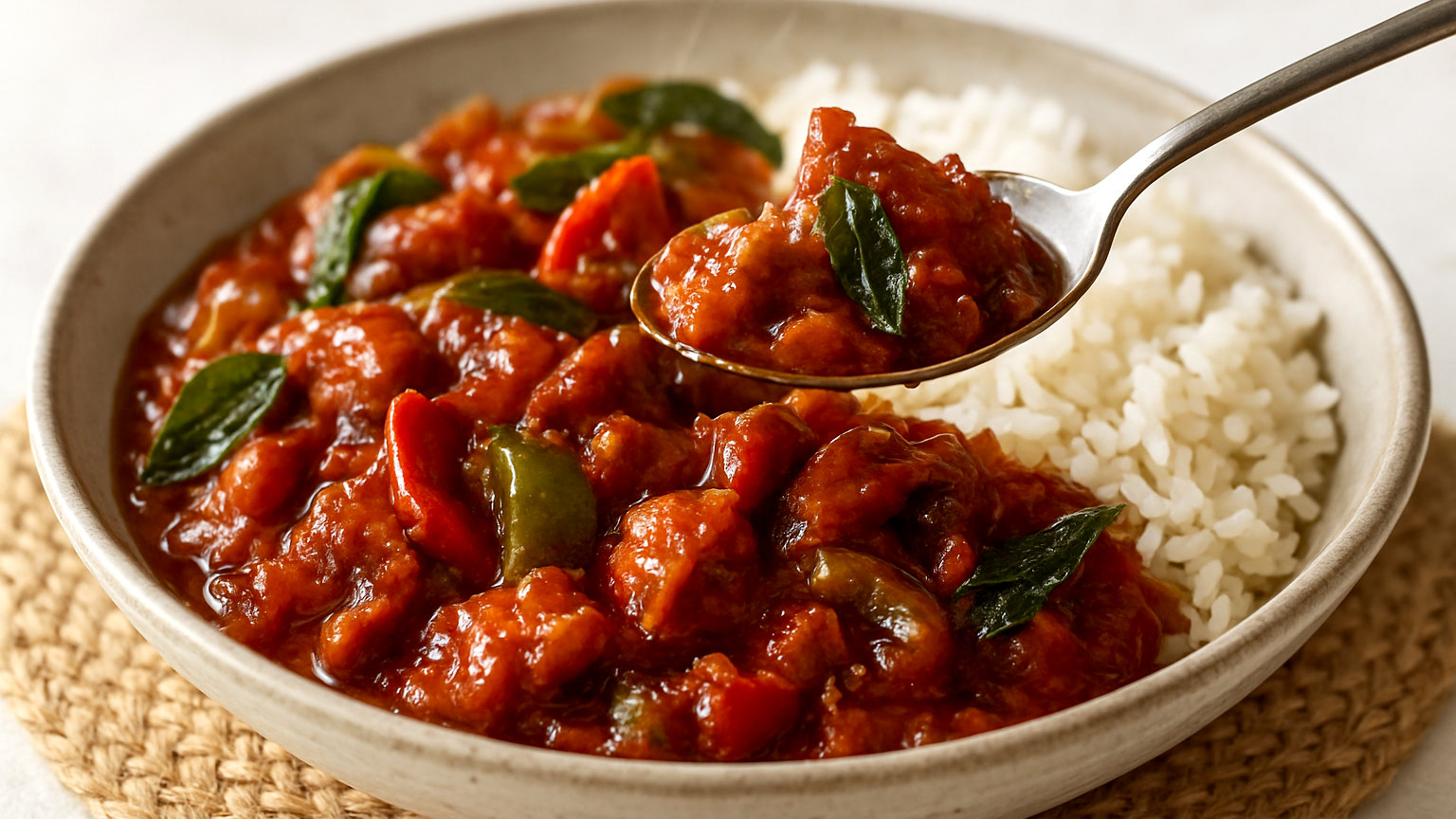
How to Make a Jalfrezi With Leftover Meat
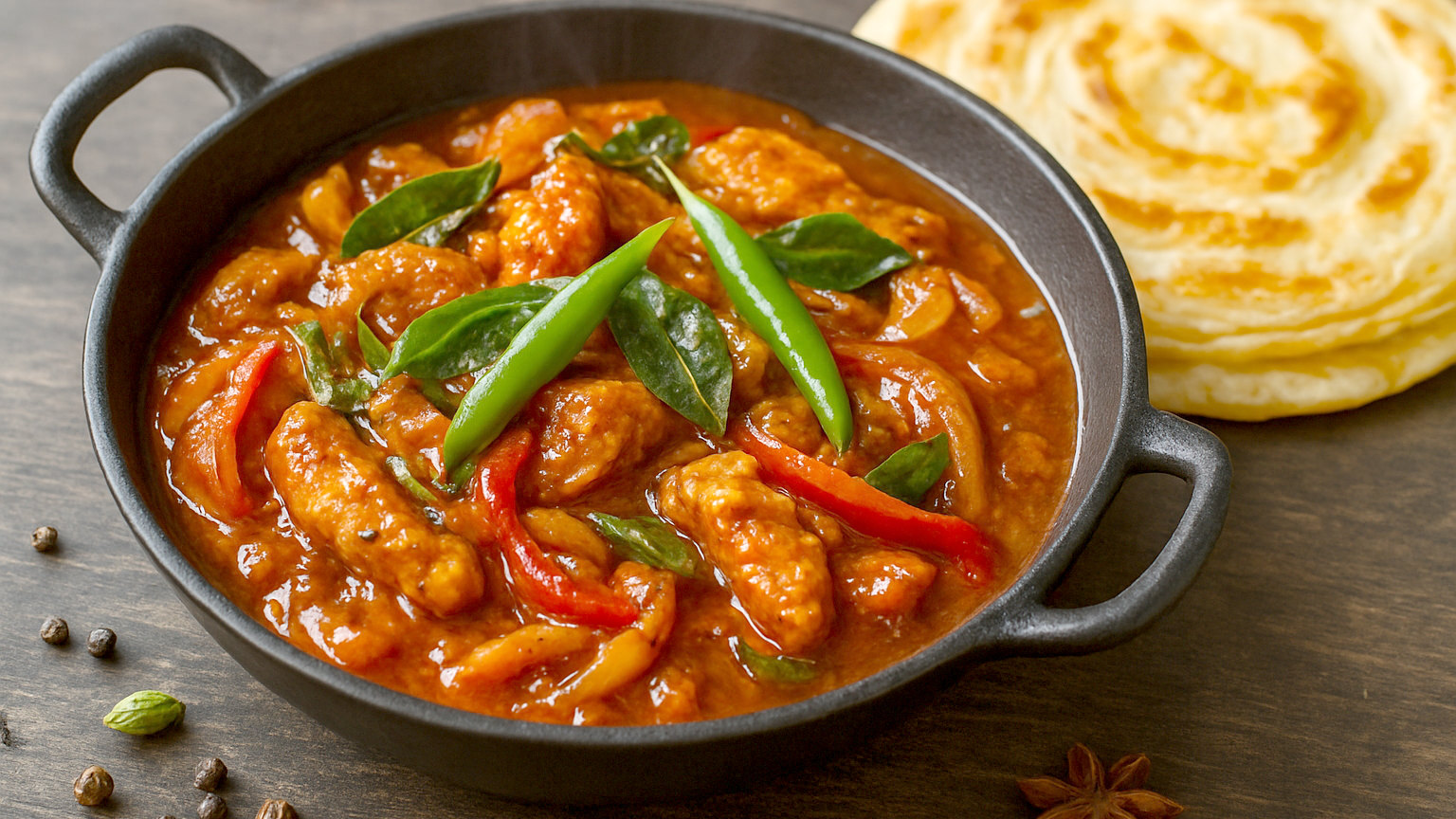
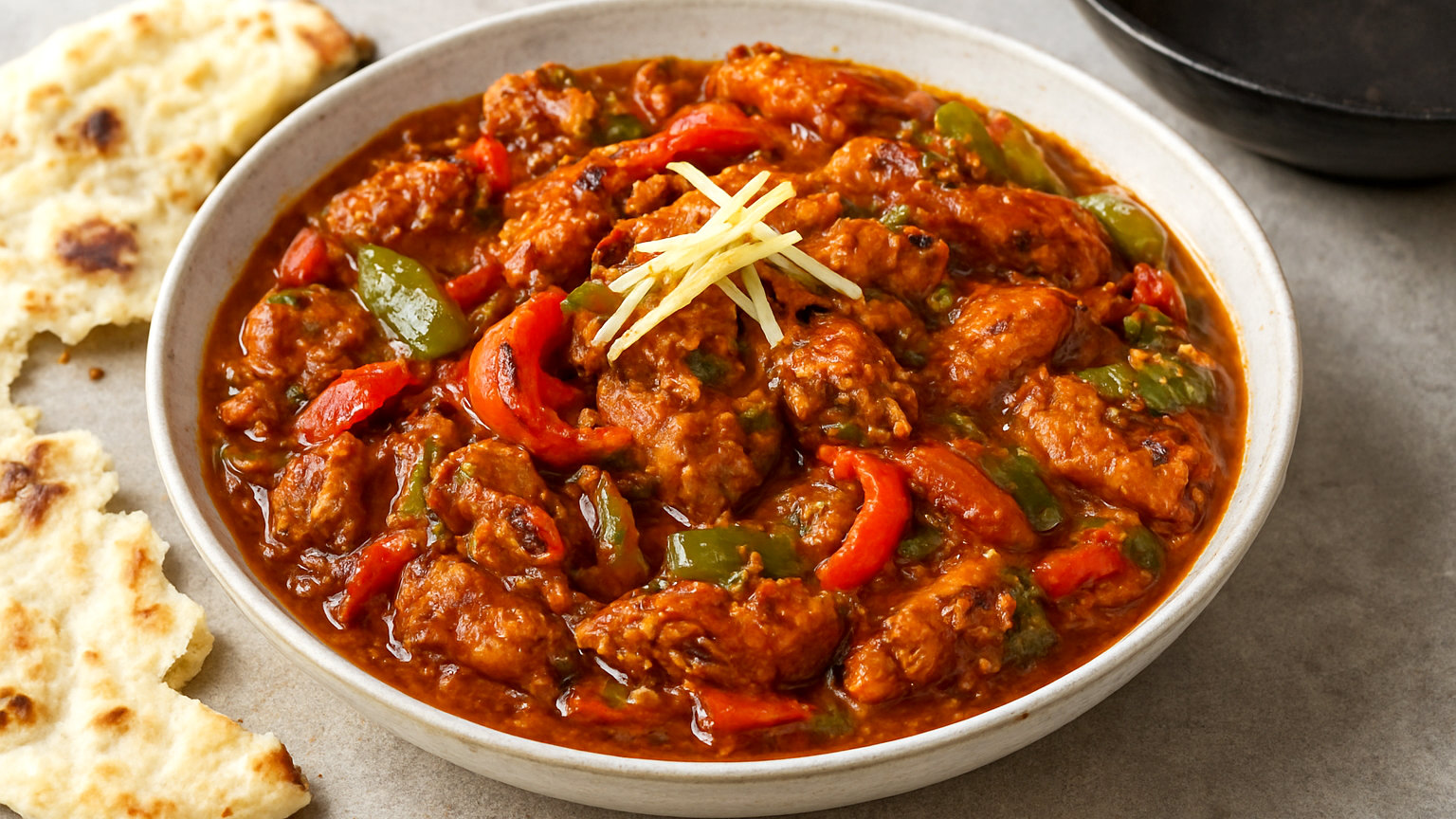
This is what the dish was invented for. Cooked meat needs only the final two minutes, which makes it the fastest proper curry you can put together.
Most Indian curry recipes fail at home for the same two reasons: the onions are not cooked for anywhere near long enough, and the spices go in at the wrong moment. These recipes fix both. Every one says how dark the base should get before anything else joins it, when to add ground spice and when to add whole, and what a finished sauce should look like when it is ready rather than merely hot. Where a dish is a British curry-house invention rather than a regional Indian one - and several of the most popular are - we say so, because knowing which you are cooking tells you how far you can push it.
This is what the dish was invented for. Cooked meat needs only the final two minutes, which makes it the fastest proper curry you can put together.
Fewer than you might expect. Coriander, cumin, turmeric and Kashmiri chilli carry the base, and the character comes from fresh chilli and black pepper.
Because there is almost no sauce, bread matters more than rice here. A saucier second dish alongside gives the plate something to work with.
The original is pork, sharp with vinegar and heavy with garlic, and hot rather than punishing. It bears little resemblance to the curry-house version.
One is a sharp garlicky pork dish from Goa. The other is a British heat challenge with potato in it. Both are worth eating, for entirely different reasons.
From Portuguese, not Hindi. The name describes meat in wine and garlic, and the potato that British versions contain is the result of a misheard word.
Palm or coconut vinegar is traditional and worth seeking out. Cider vinegar is the best substitute, and malt vinegar is the one to avoid entirely.
Chicken has none of the fat pork brings, so the vinegar needs pulling back slightly and the marinade shortened. Thigh is essential rather than preferred.
Hot, but sharp rather than brutal. The Goan original is less fierce than most people expect, and the British escalation is a fairly recent development.
Because alho means garlic in Portuguese and aloo means potato in Hindi. A misheard syllable put potatoes into a dish that never had any.
The paste is the dish. Twenty minutes of work produces enough for three curries, and it keeps for weeks because the vinegar preserves it.
Lamb is the usual British substitution for pork and it works well, since shoulder has the fat and collagen the dish needs. It wants two hours, not one.