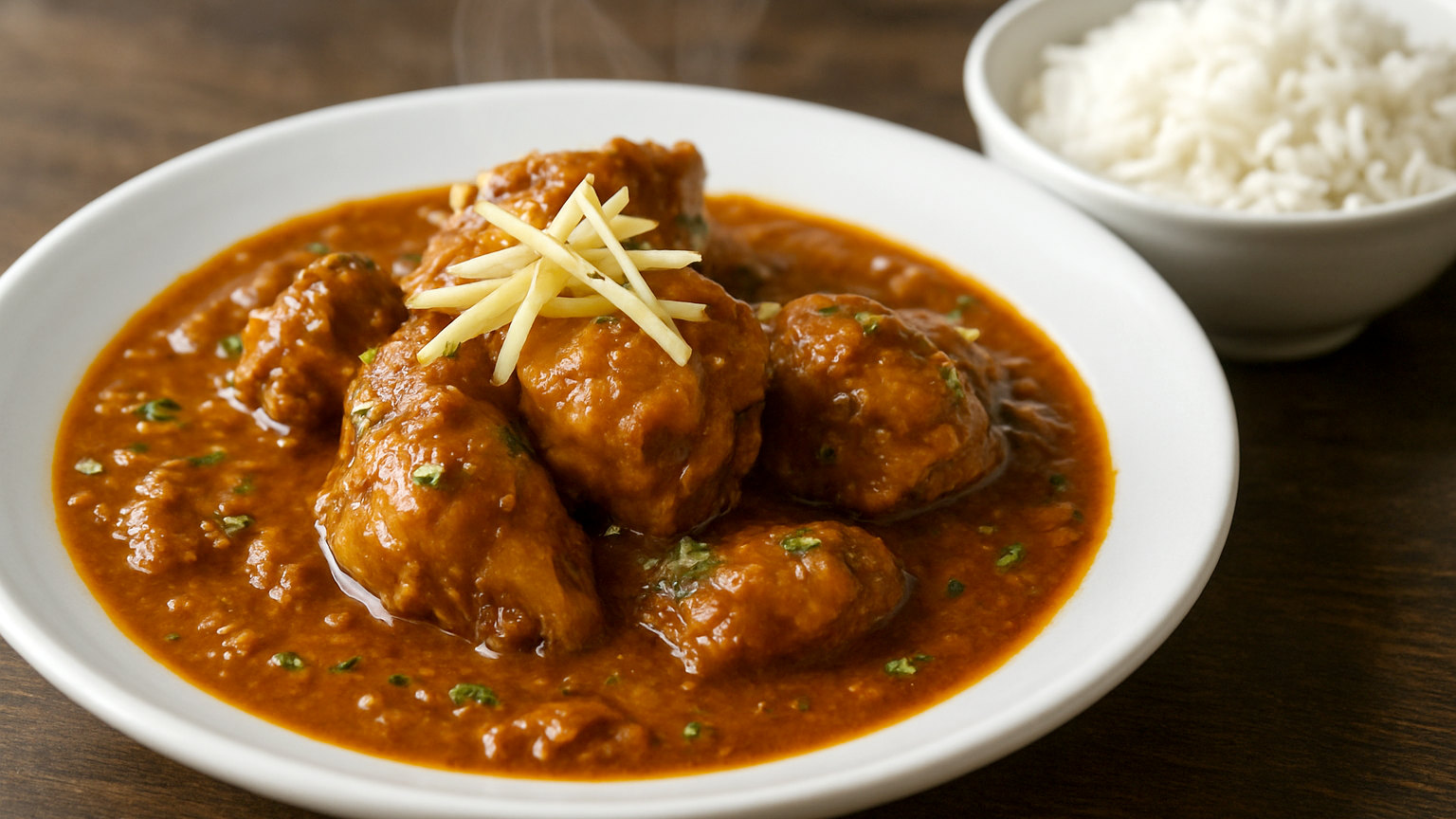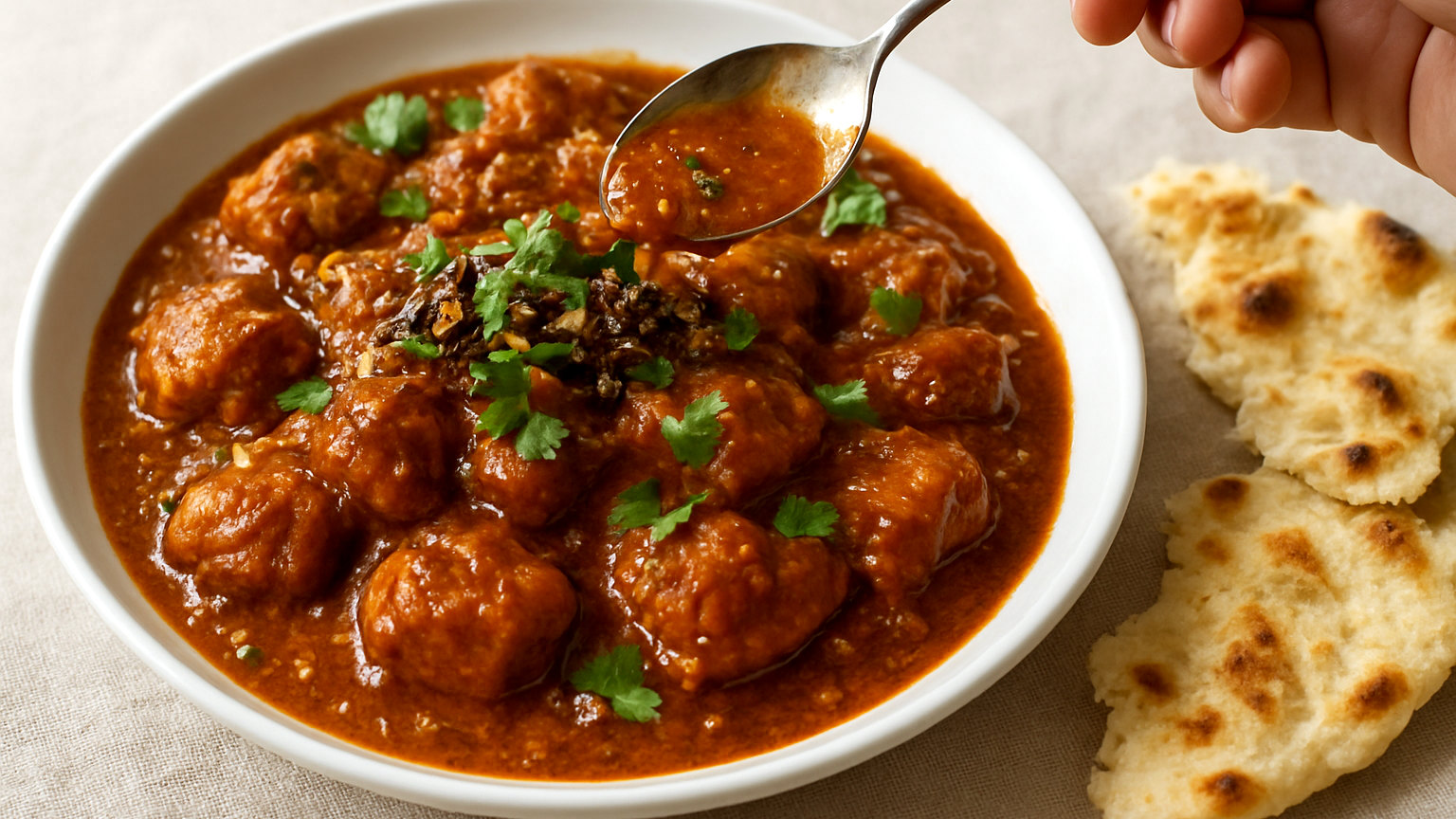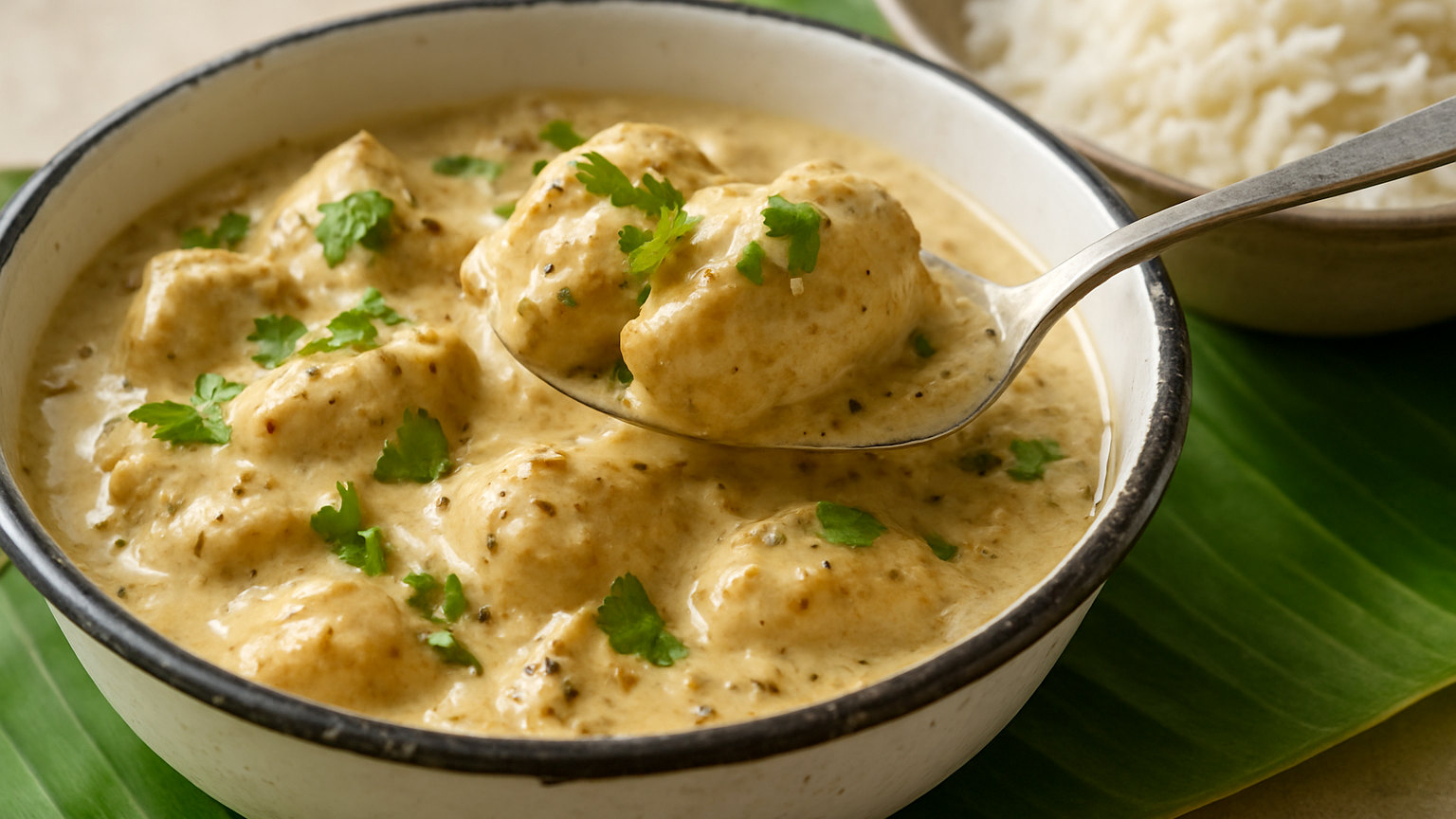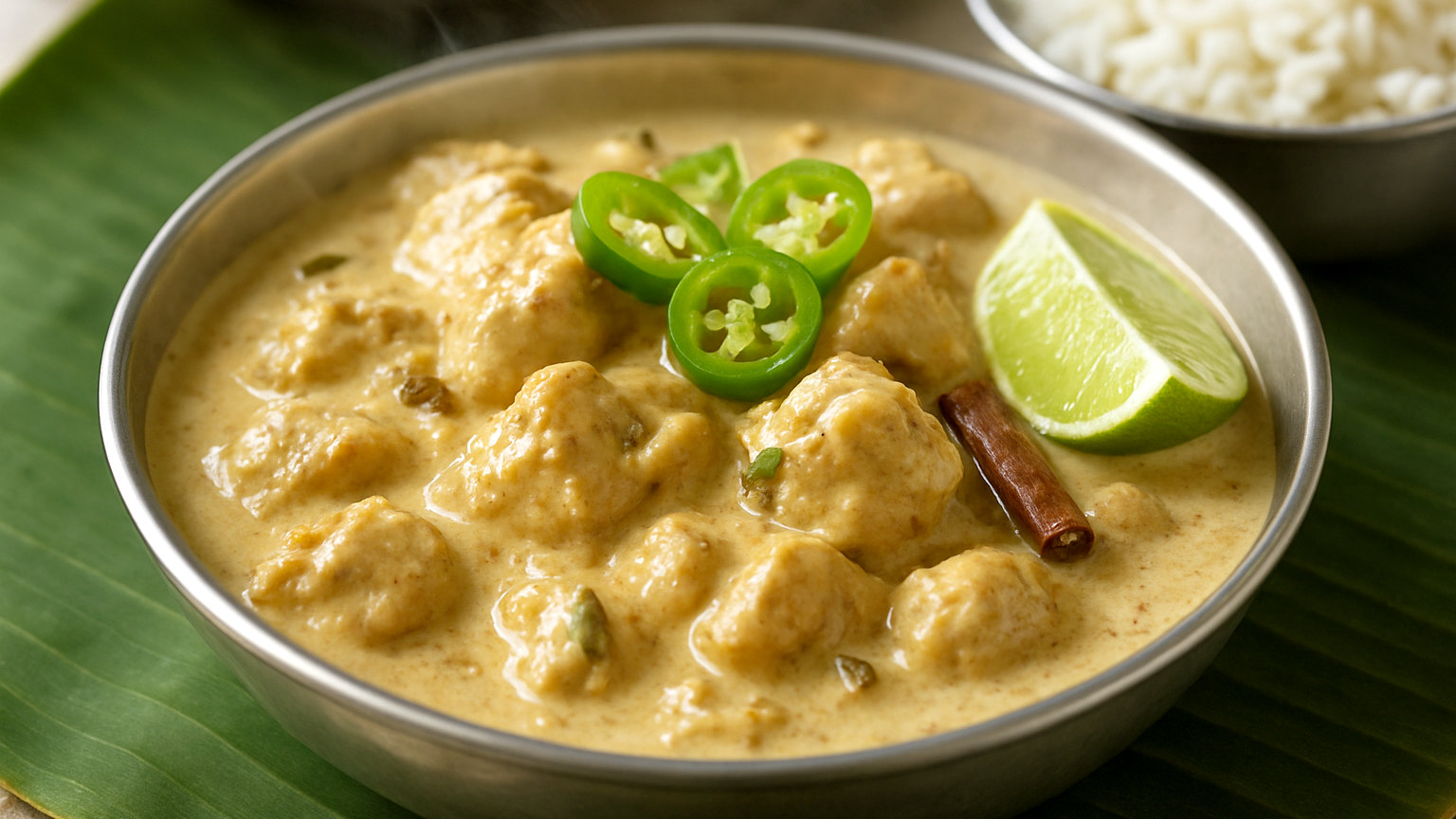
How to Make a Mild Chicken Curry Children Will Eat
Mild does not mean bland. Take the chilli out, keep every aromatic spice in, and add a little sweetness and dairy to round the edges.
By Curry Recipes Team
25 Aug 2026

Most Indian curry recipes fail at home for the same two reasons: the onions are not cooked for anywhere near long enough, and the spices go in at the wrong moment. These recipes fix both. Every one says how dark the base should get before anything else joins it, when to add ground spice and when to add whole, and what a finished sauce should look like when it is ready rather than merely hot. Where a dish is a British curry-house invention rather than a regional Indian one - and several of the most popular are - we say so, because knowing which you are cooking tells you how far you can push it.
Mild does not mean bland. Take the chilli out, keep every aromatic spice in, and add a little sweetness and dairy to round the edges.
Most chicken curry freezes very well and several improve for it. Cream and coconut are the exceptions, and reheating rice carries the real risk.
The onion stage is what takes the time, so the only honest shortcut is to have browned onions ready. Everything else genuinely does fit into half an hour.
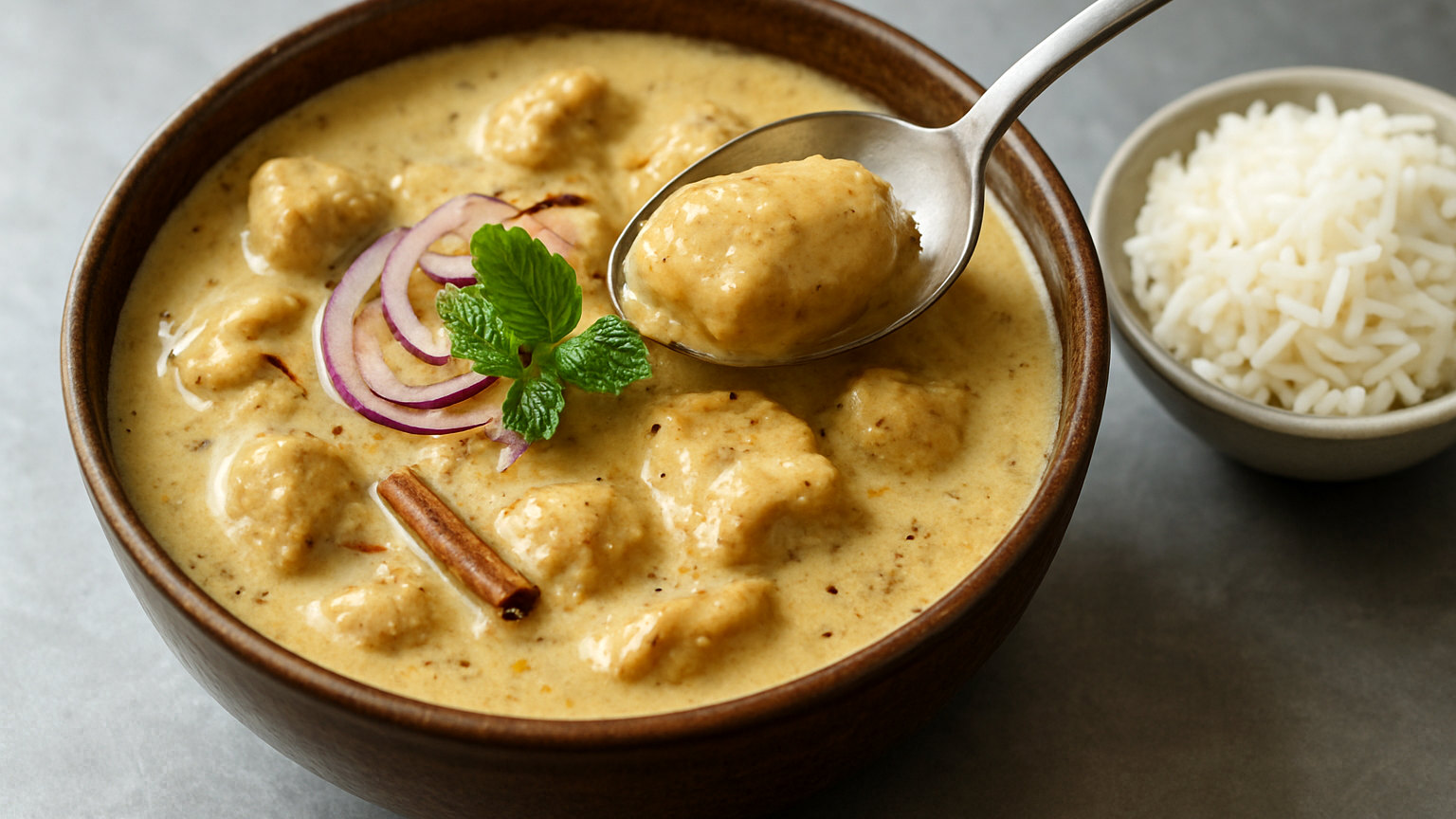
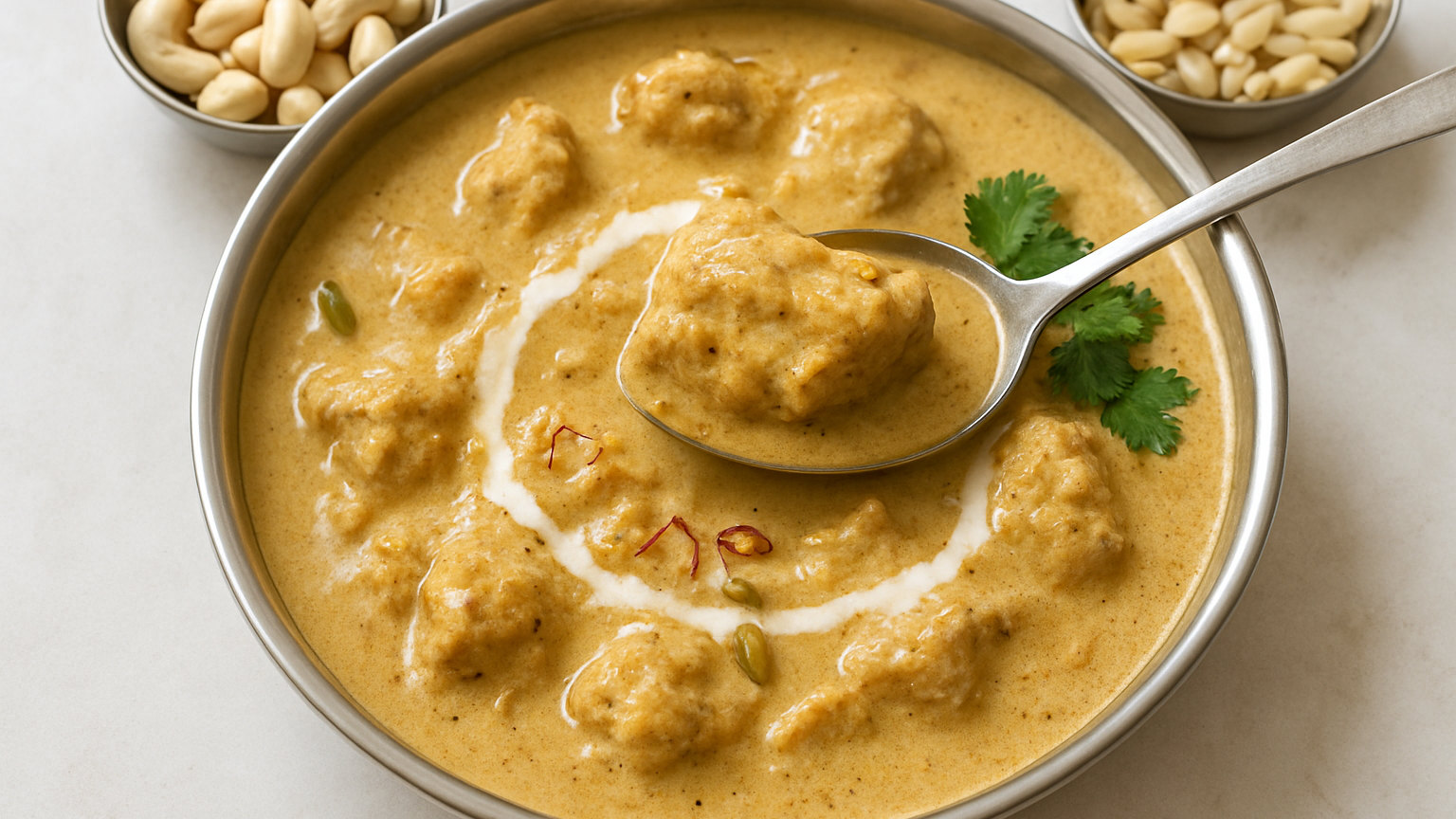
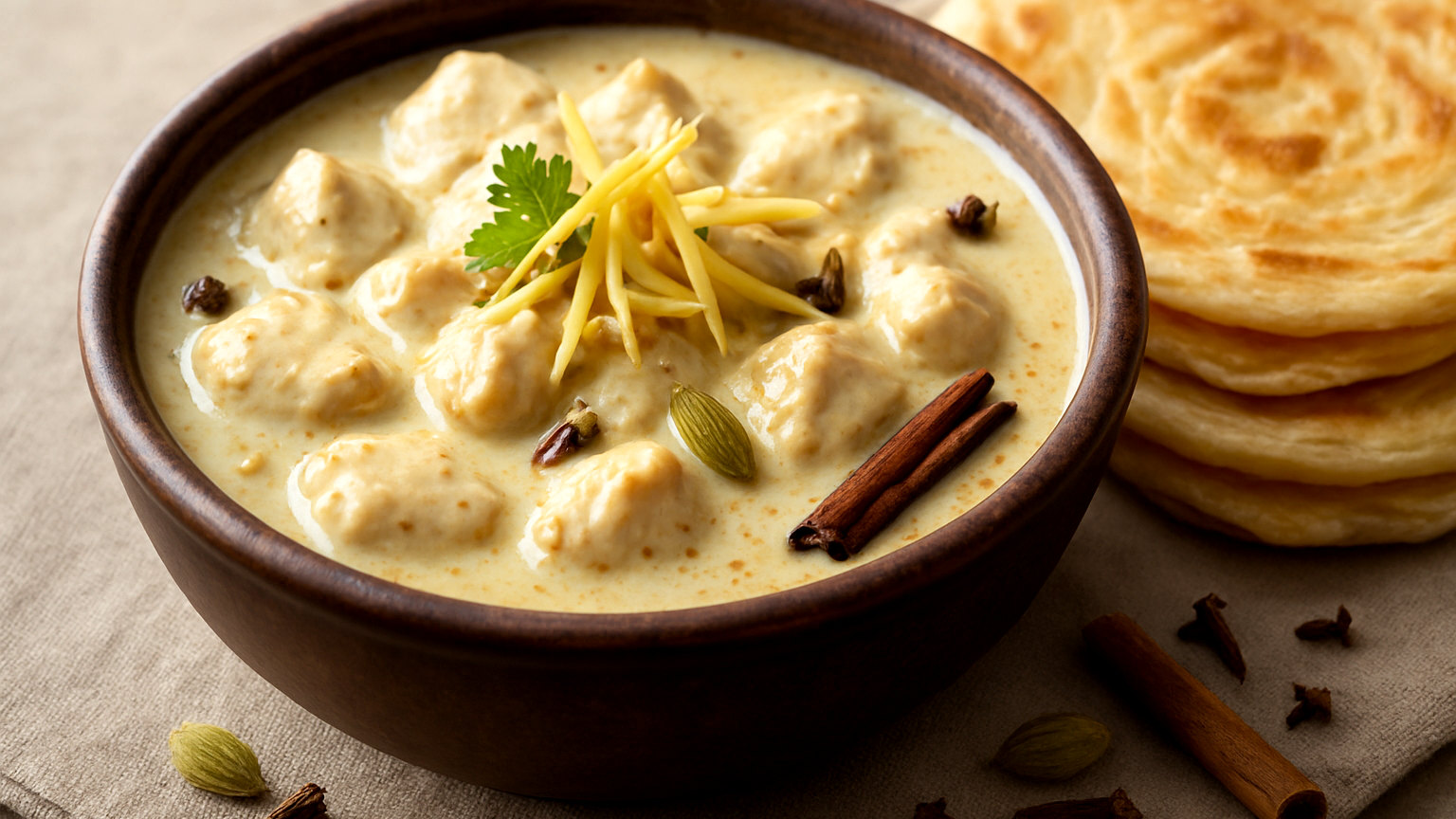
A korma is built on nuts, dairy and gentle heat rather than browning and reduction. Almost everything that goes wrong comes from cooking it too hard.
Korma is a braising method rather than a flavour. It is defined by nuts and dairy doing the thickening, not by being mild or sweet.
Splitting is heat damage to an emulsion. It is almost entirely preventable, and a split sauce can usually be brought back in under a minute.
Cashews give the smoothest sauce, almonds the most traditional, and melon seeds the most authentic to Mughal cooking. All three need soaking.
Sunflower seeds, gram flour and thick yoghurt between them do everything ground almonds do. The result is lighter but recognisably a korma.
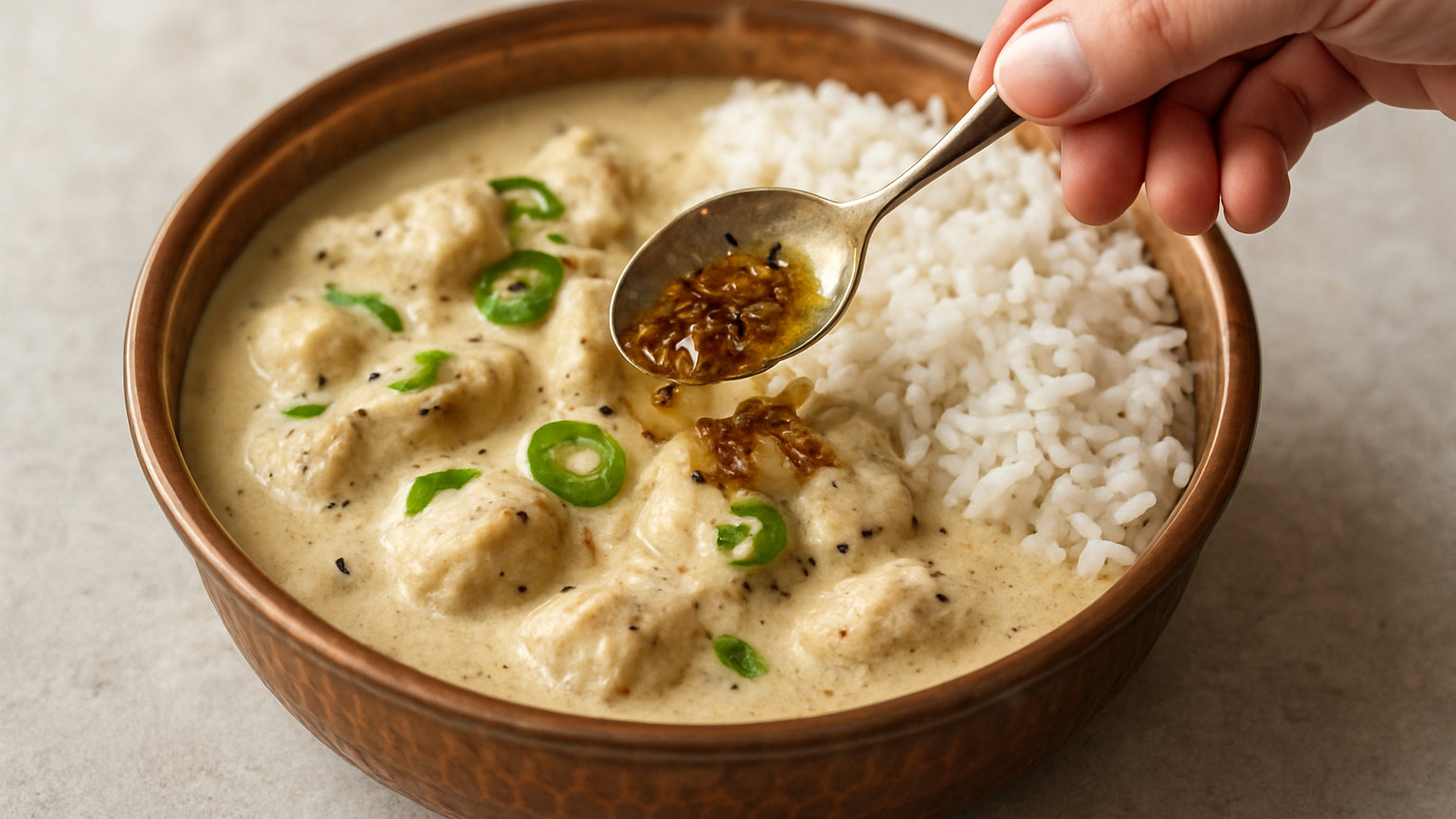
Korma became mild in Britain. Across northern India and Pakistan there are kormas built on black pepper and green chilli that would surprise most people.
Coconut cream and cashew paste together do what yoghurt and double cream do, and the sauce is more stable because there is no dairy protein to split.
Sweetness usually comes from three sources compounding. Salt and acid pull it back faster than anything, and the fix takes about two minutes.
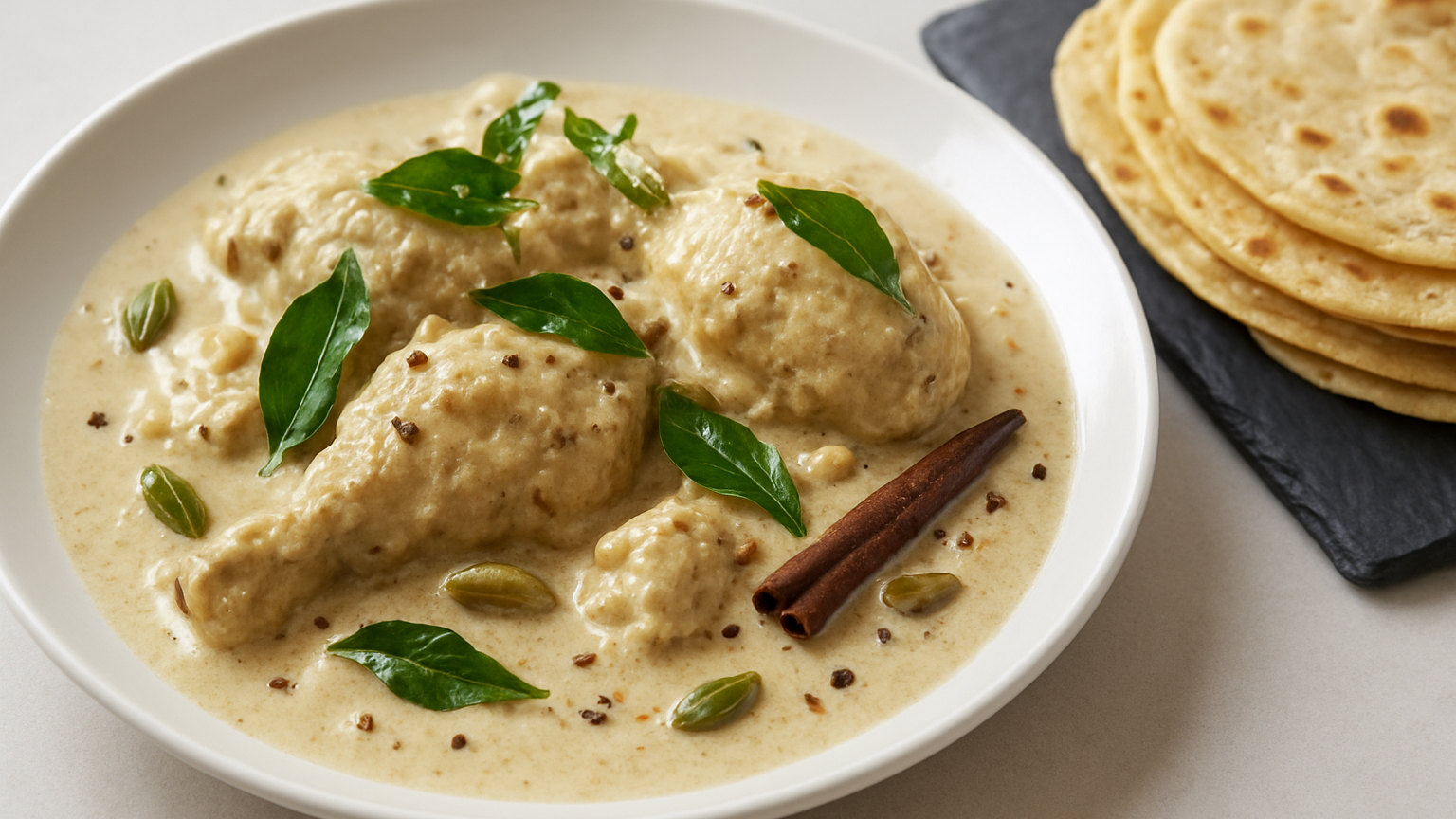
Shahi means royal, and the name signals saffron, mace, cream and a deliberately restrained hand with the spicing. It is the courtly ancestor of the takeaway korma.