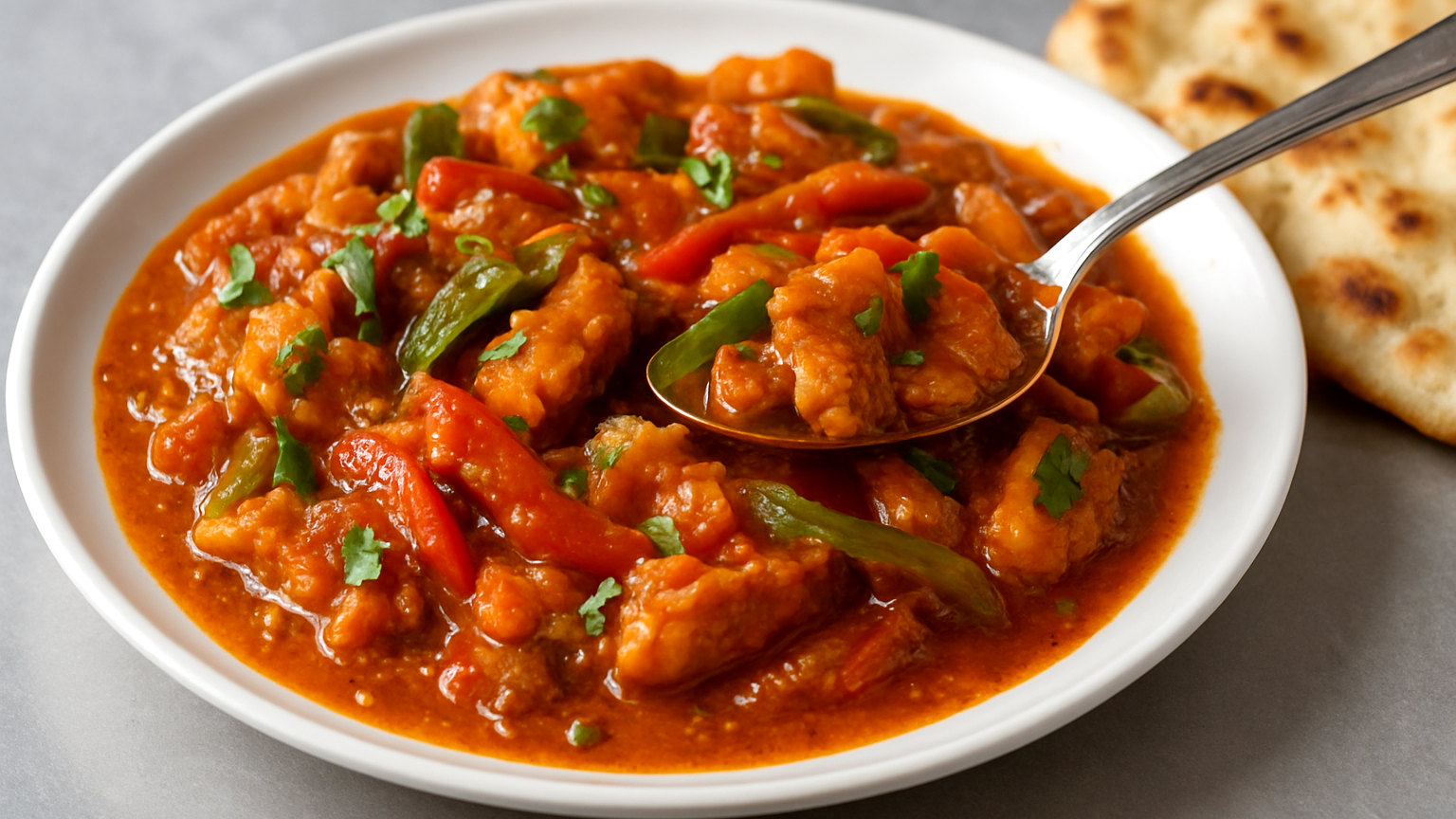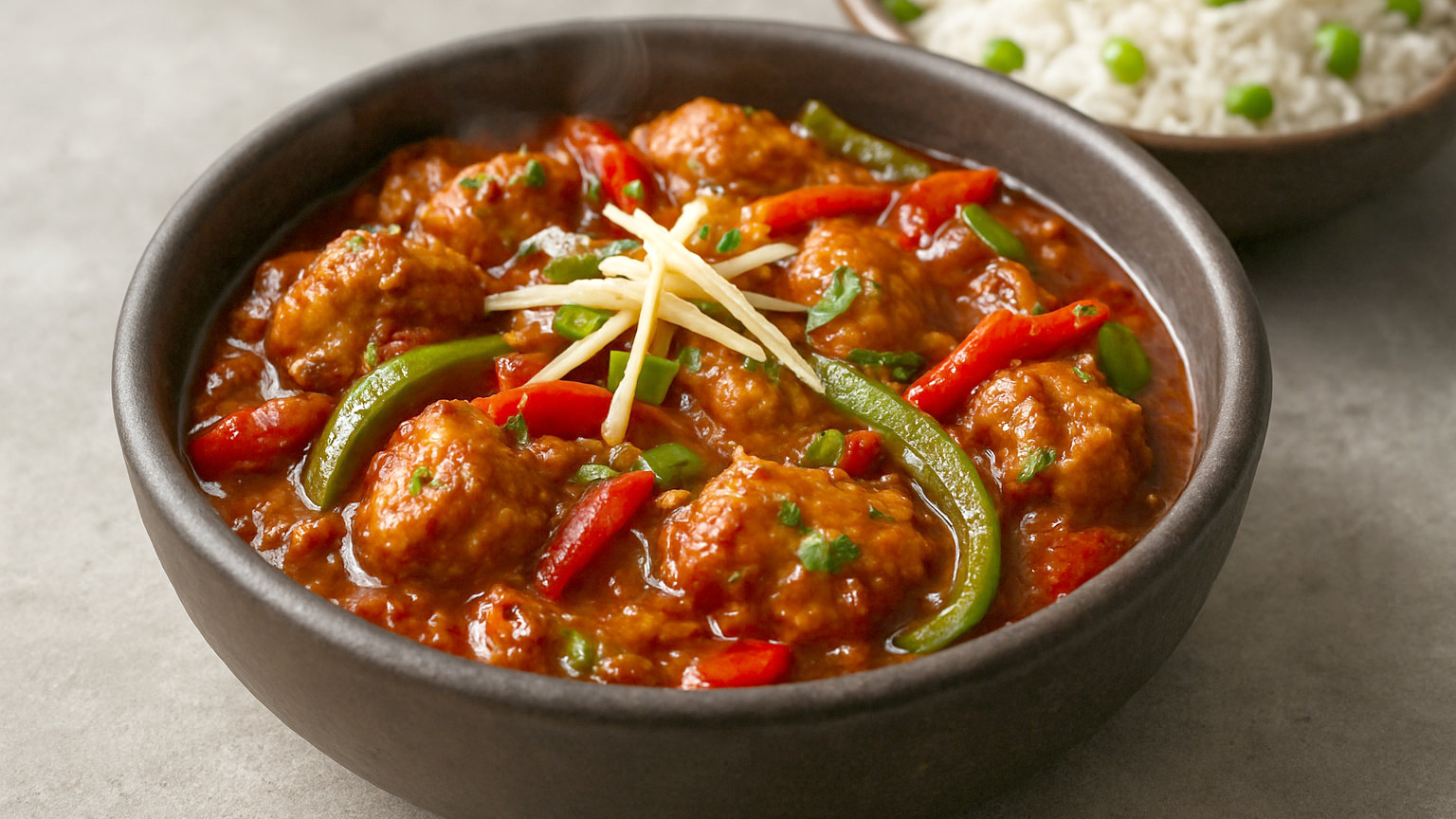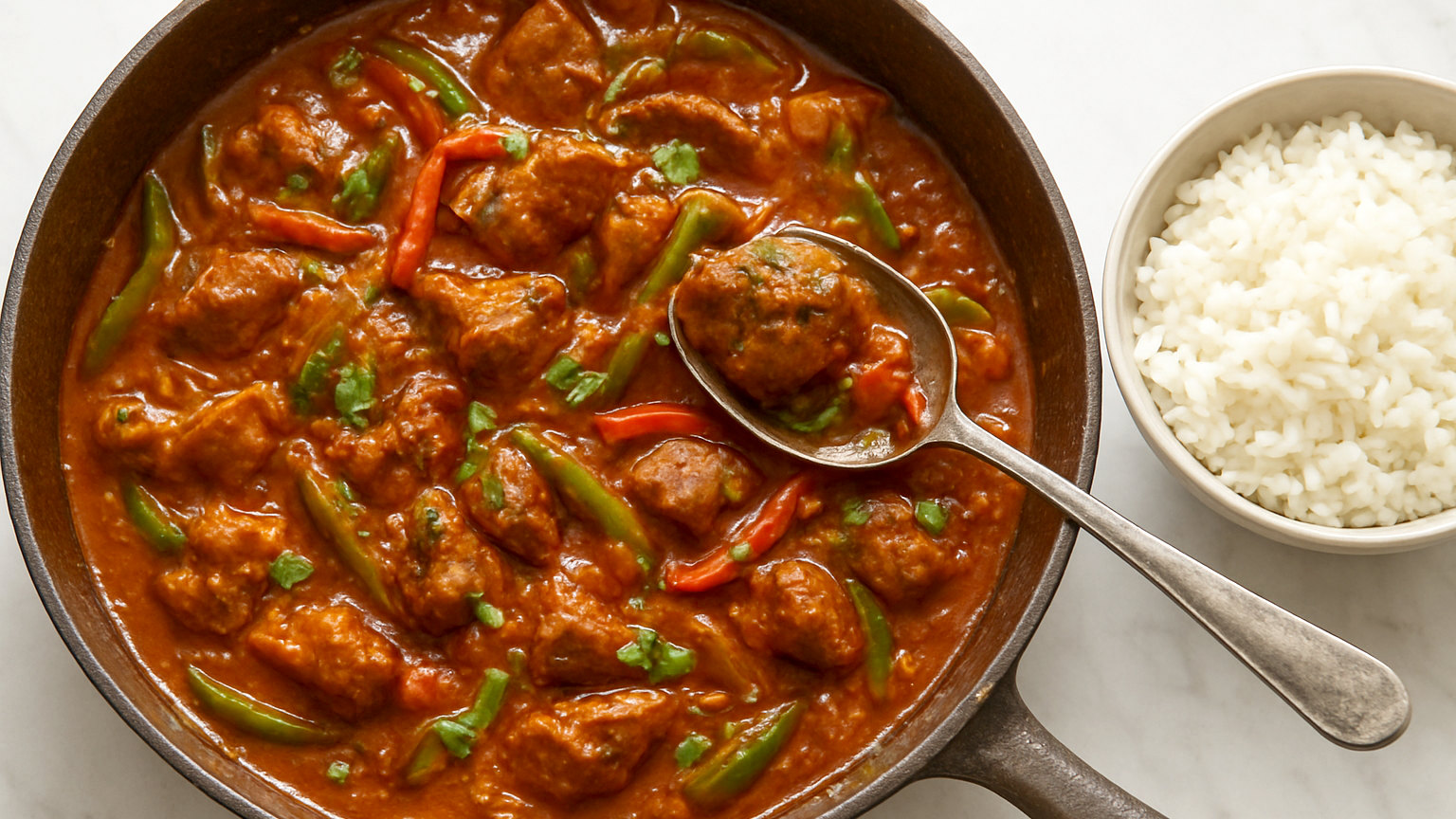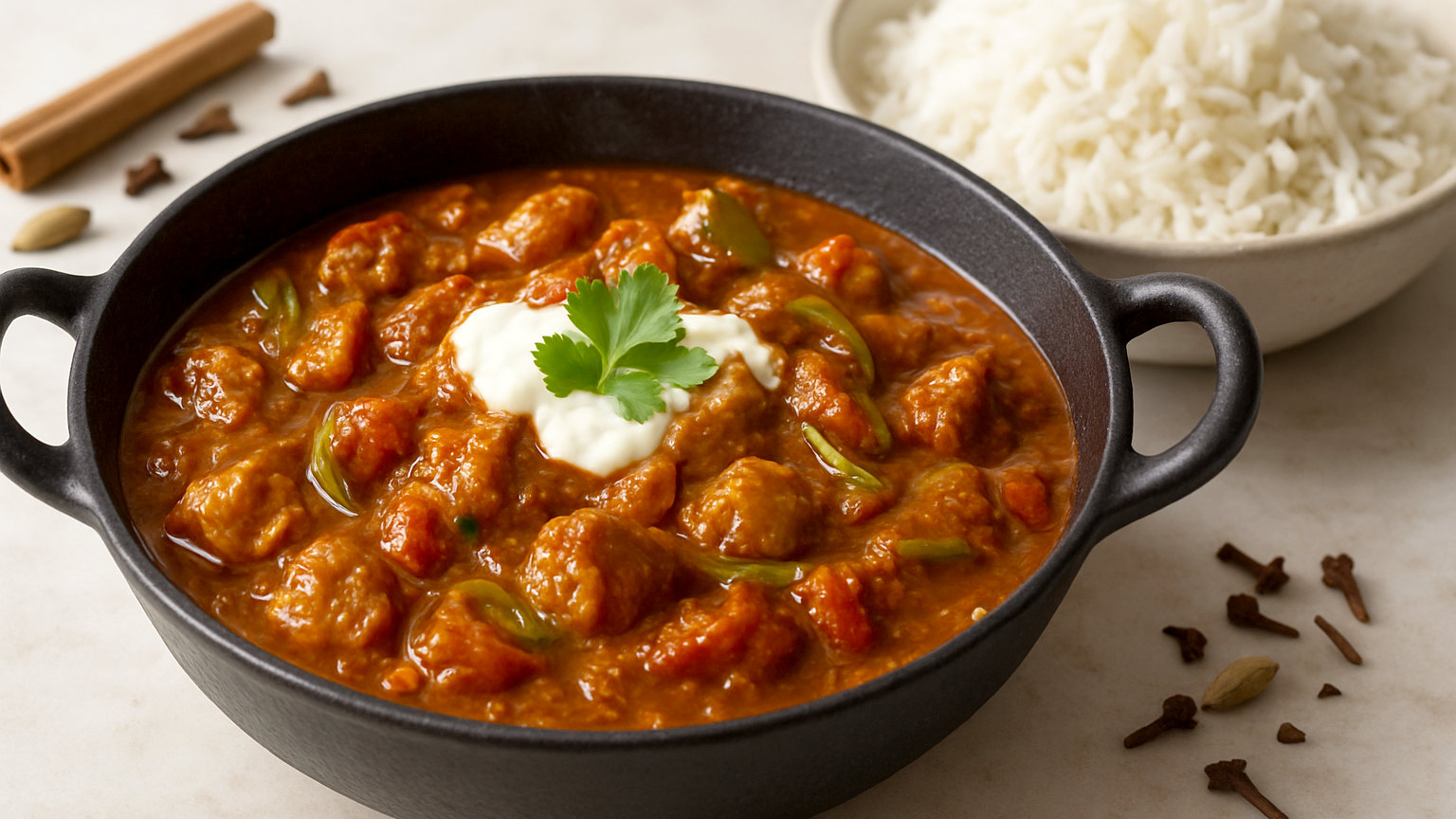
How to Make a Proper Chicken Jalfrezi
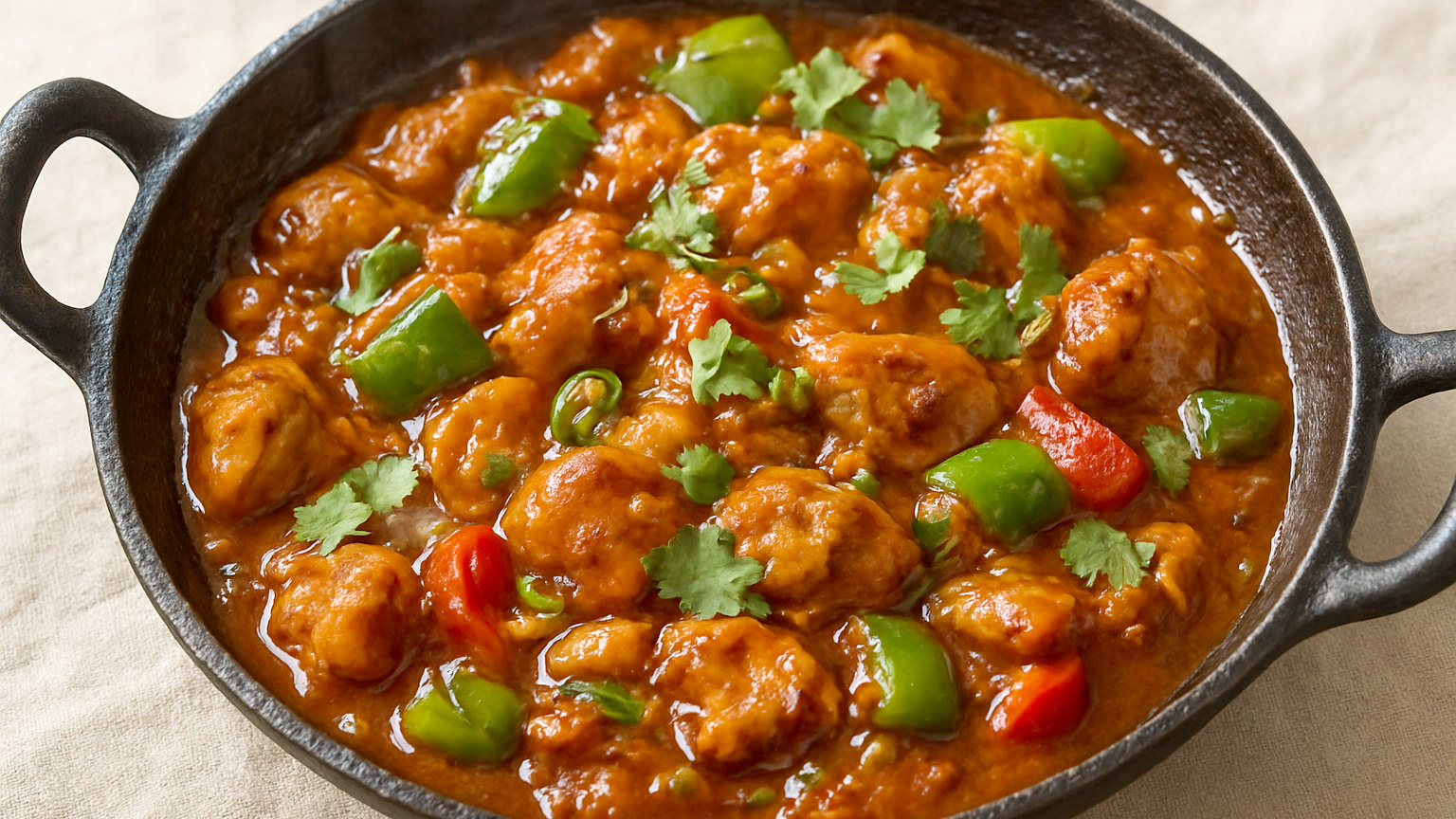
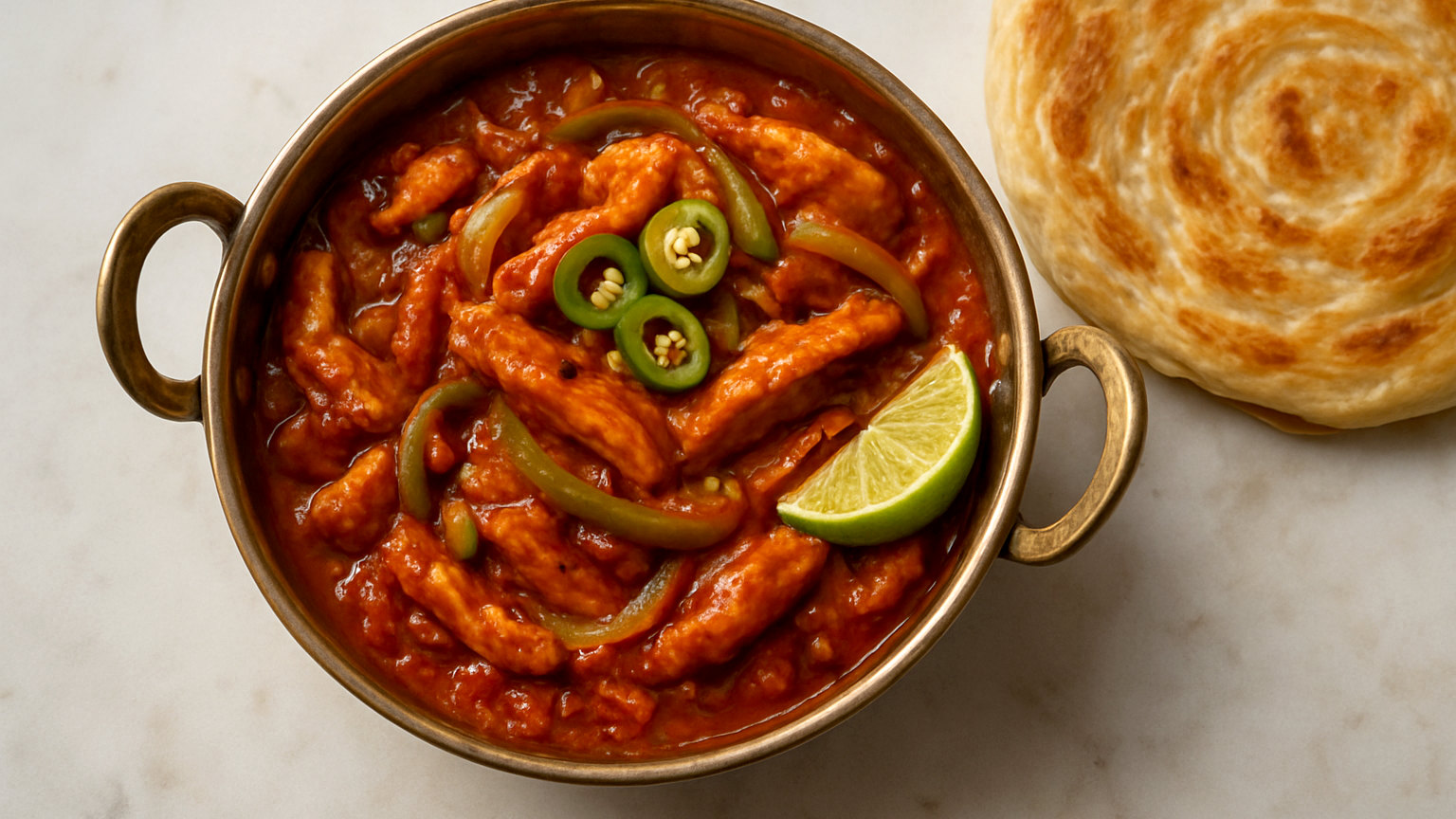
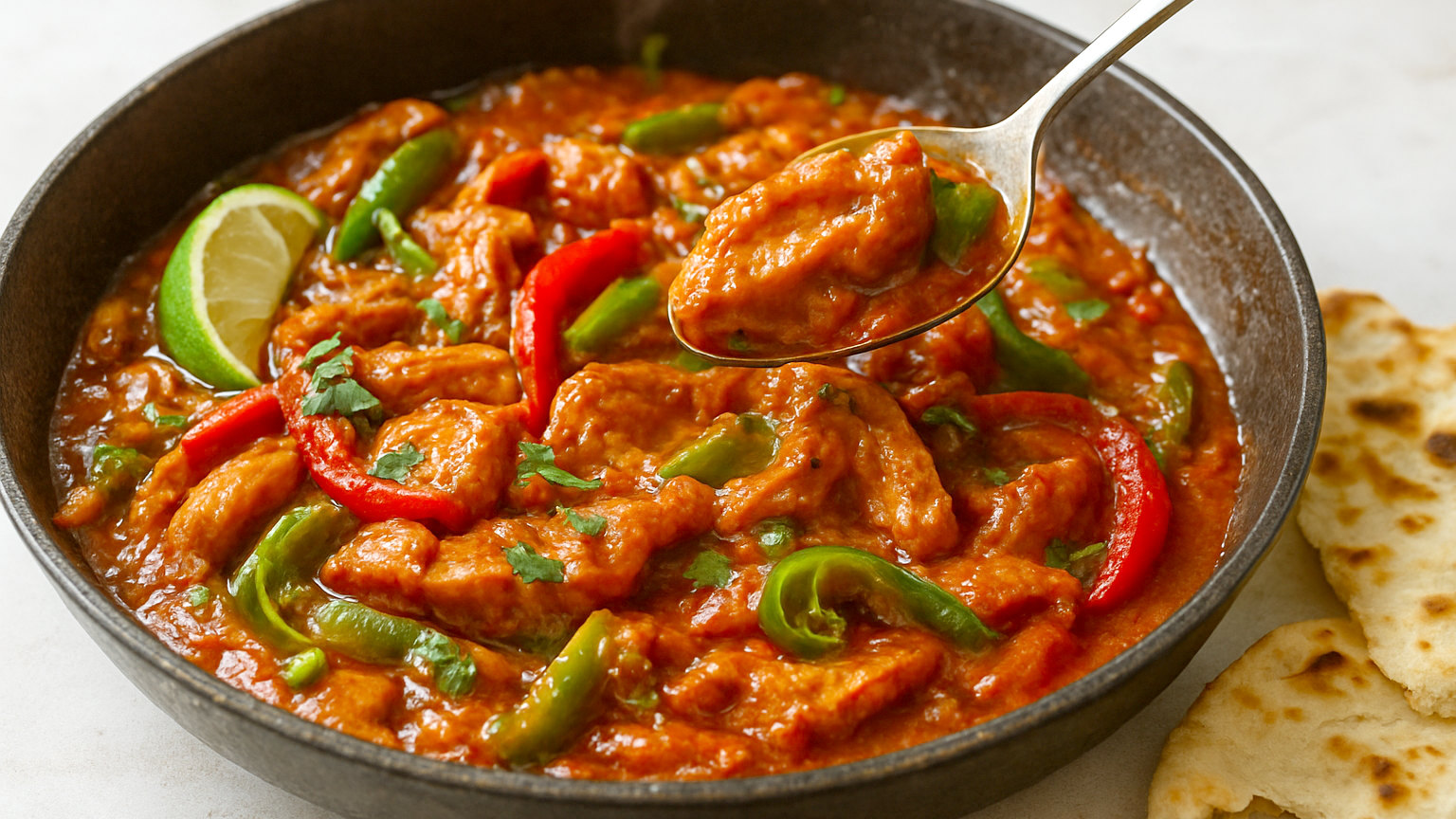
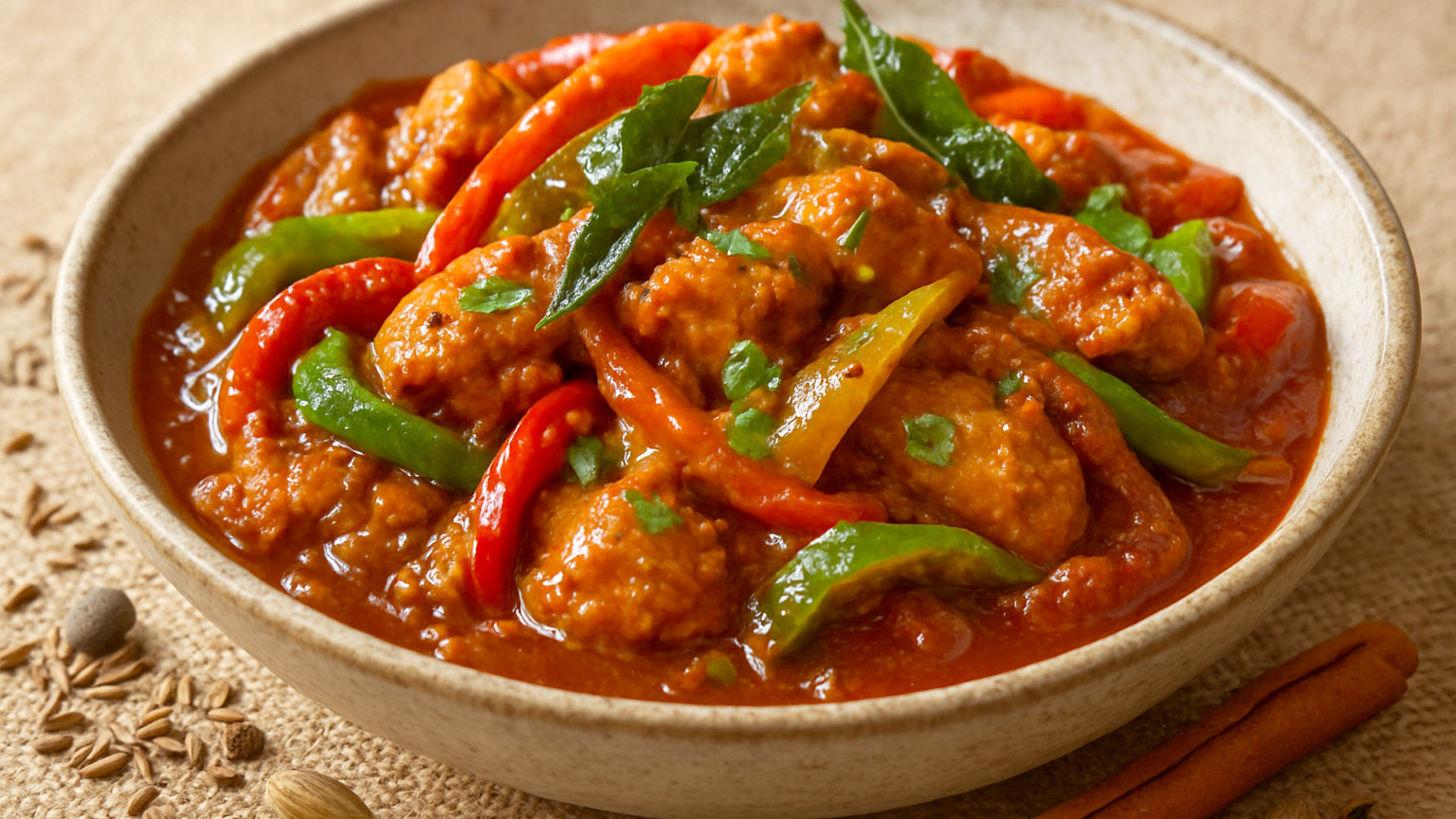
A jalfrezi is a stir-fry rather than a stew. The peppers should still have bite, the sauce should barely coat, and the whole thing finishes in a scorching pan.
Most Indian curry recipes fail at home for the same two reasons: the onions are not cooked for anywhere near long enough, and the spices go in at the wrong moment. These recipes fix both. Every one says how dark the base should get before anything else joins it, when to add ground spice and when to add whole, and what a finished sauce should look like when it is ready rather than merely hot. Where a dish is a British curry-house invention rather than a regional Indian one - and several of the most popular are - we say so, because knowing which you are cooking tells you how far you can push it.
A jalfrezi is a stir-fry rather than a stew. The peppers should still have bite, the sauce should barely coat, and the whole thing finishes in a scorching pan.
It is the only common curry-house dish cooked as a stir-fry. Everything that distinguishes it follows from that, including the texture and the speed.
Because they went in too early, the pan was too cool, or there were too many of them at once. All three lead to the same outcome, which is steaming rather than searing.
Medium-hot, and the heat comes from fresh green chilli rather than powder. That gives it a brighter, sharper burn than a madras of the same strength.
Lamb needs either two minutes or ninety, never anything between. That fork in the road decides the whole recipe before you start.
It began as a Bengali method for frying up leftover meat and appears in Victorian Anglo-Indian cookbooks. The peppers arrived much later.
Green peppers for firmness, red for sweetness, and onion cut into petals rather than slices. How you cut them matters as much as which you buy.
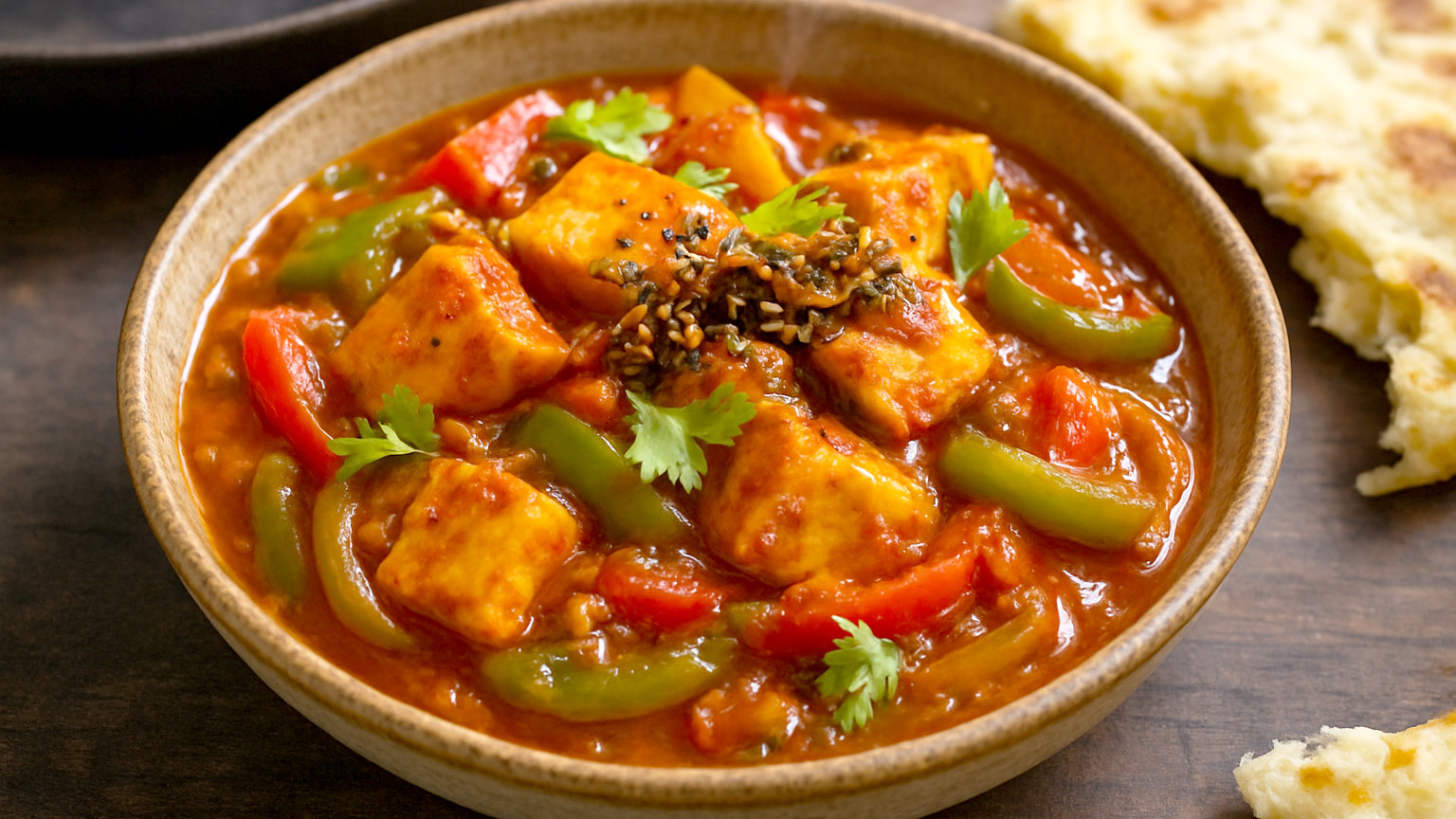
Paneer suits a jalfrezi better than almost any other curry, because searing is exactly what it wants. Fry it separately and add it at the very end.
The water comes from the vegetables, and the fix is to stop it entering rather than to remove it afterwards. Almost no liquid should be added at all.
Puree yes, tinned tomatoes no, fresh wedges at the end optional but good. The distinction matters because one of the three adds water and the others do not.
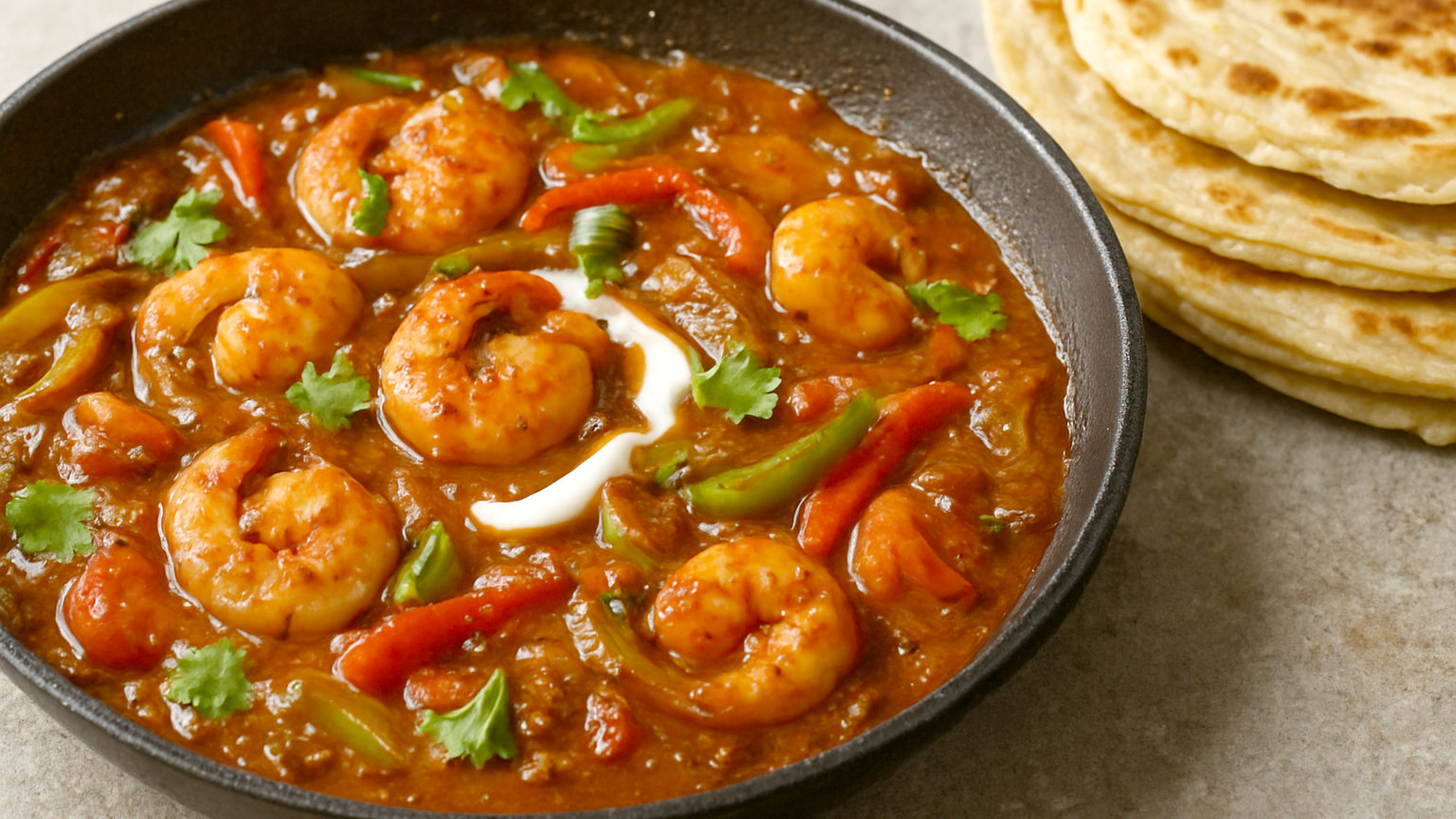
Prawns and a stir-fry suit each other, since both are measured in minutes. The risk is water, because prawns release a surprising amount.
A heavy flat-bottomed frying pan beats a wok on a domestic hob, because a home ring cannot heat the sloping sides a wok depends on.