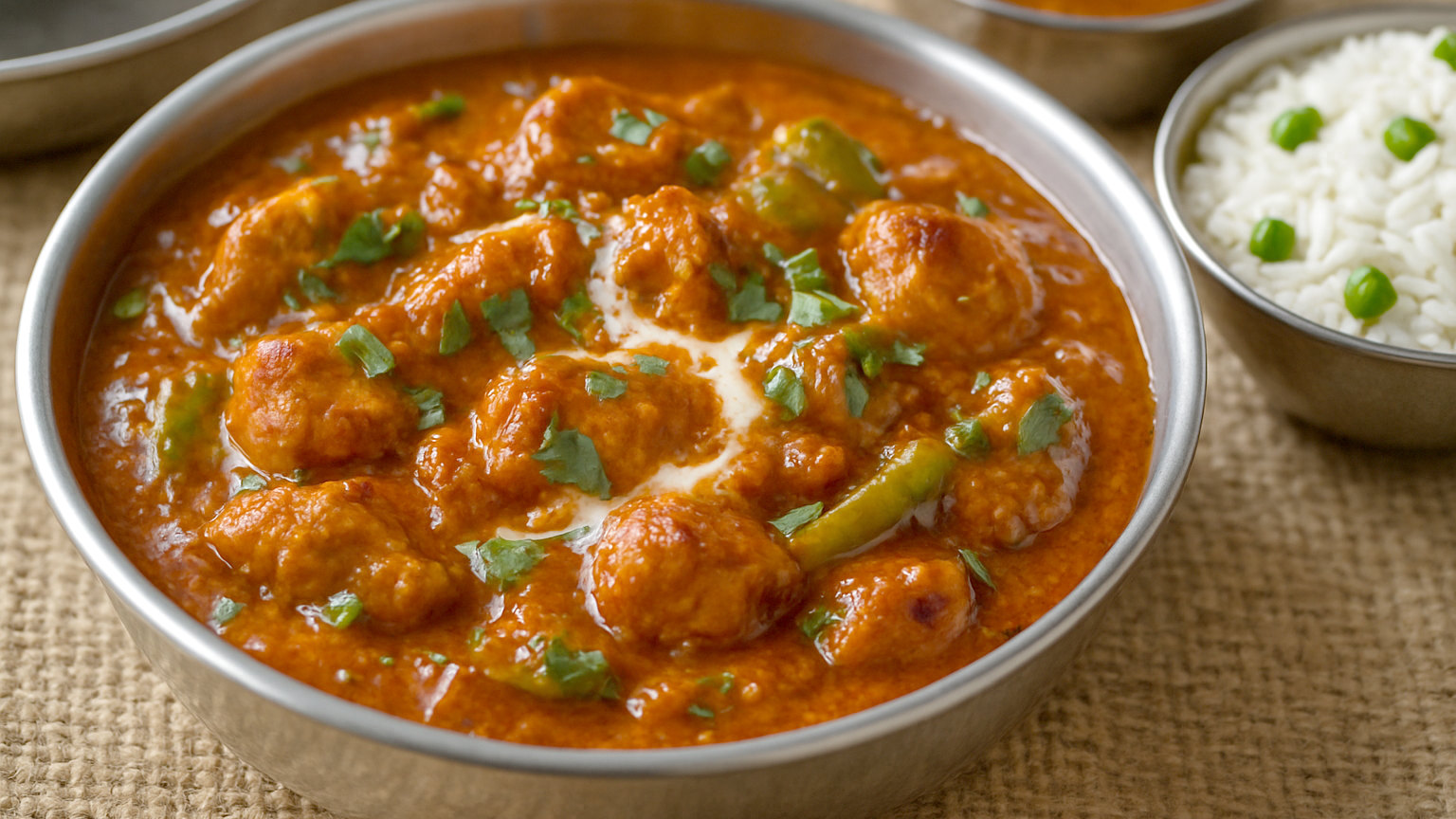
How to Make Chicken Handi
Fried hard like a karahi then finished with yoghurt and cream, which makes it the richest of the everyday Pakistani chicken dishes.
By Curry Recipes Team
16 Aug 2025

Curry travelled, and everywhere it landed it changed. These recipes follow it: goat curry with Caribbean curry powder that is burnt in the pot before anything else goes in, Sri Lankan curries built on roasted dark spice and thick coconut milk, Malaysian and Indonesian curries that start with a pounded rempah, and the British curry-house canon that grew out of all of them. Each section explains what makes that style distinct rather than treating it as a variation on an Indian original, because in most cases it is not one.
Fried hard like a karahi then finished with yoghurt and cream, which makes it the richest of the everyday Pakistani chicken dishes.
Shank for nihari, shoulder for karahi, and bone-in for almost everything. The cut is chosen for the cooking time rather than for tenderness.
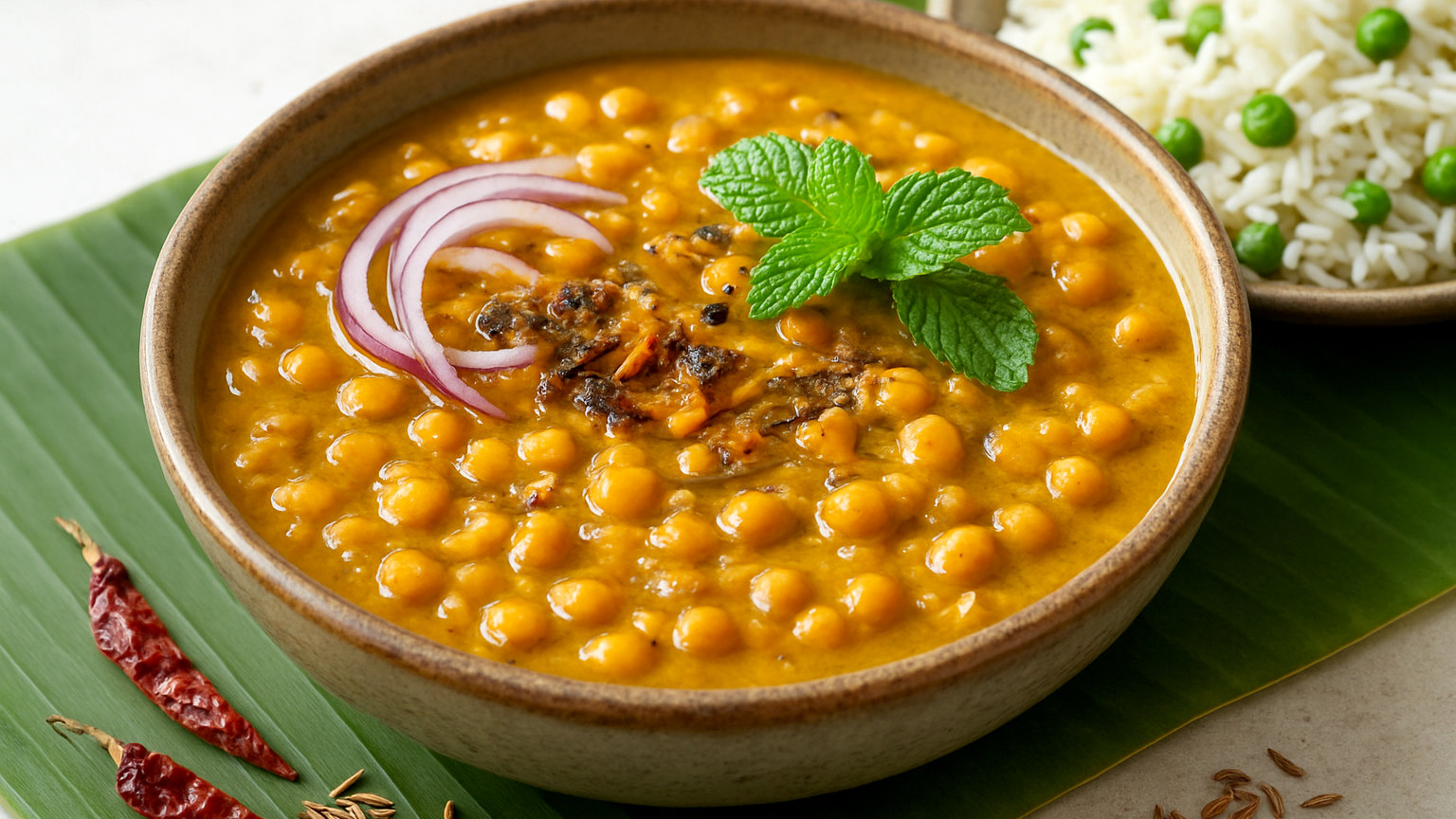
Split chickpeas cooked until tender but still distinct, finished with a fierce tempering of garlic and cumin poured over at the last moment.
Bread rather than rice for most dishes, plus raita, salad and pickle. A karahi is eaten with naan and nothing else is really needed.
A neutral onion sauce made in bulk that becomes every dish on the menu. It is the single reason a curry house can serve forty dishes in ten minutes each.
A large pot of onions cooked down with carrot, pepper and spice, then blended smooth. Two hours once, and it freezes into a dozen curries.
Everything is prepared in advance, the burner is far hotter than a domestic hob, and the gravy goes in three times rather than once.
Eight minutes from base gravy and pre-cooked chicken. It is a different dish from a home-cooked madras and it tastes like the takeaway because it is made the same way.
The house curry powder that goes into almost every dish. It is heavy on coriander and turmeric and light on everything expensive.
Cooked and served in the same thin steel bowl, with peppers, onion and a sharper finish than a standard curry-house dish.
Birmingham in the 1970s, almost certainly. The claimed link to Baltistan in northern Pakistan is thin, and the dish has no counterpart there.
Lentils, sweetness and sourness in the curry-house version. The Parsi original is a different dish and this one is what people order.