What Is Durban Masala and How Do You Buy It?
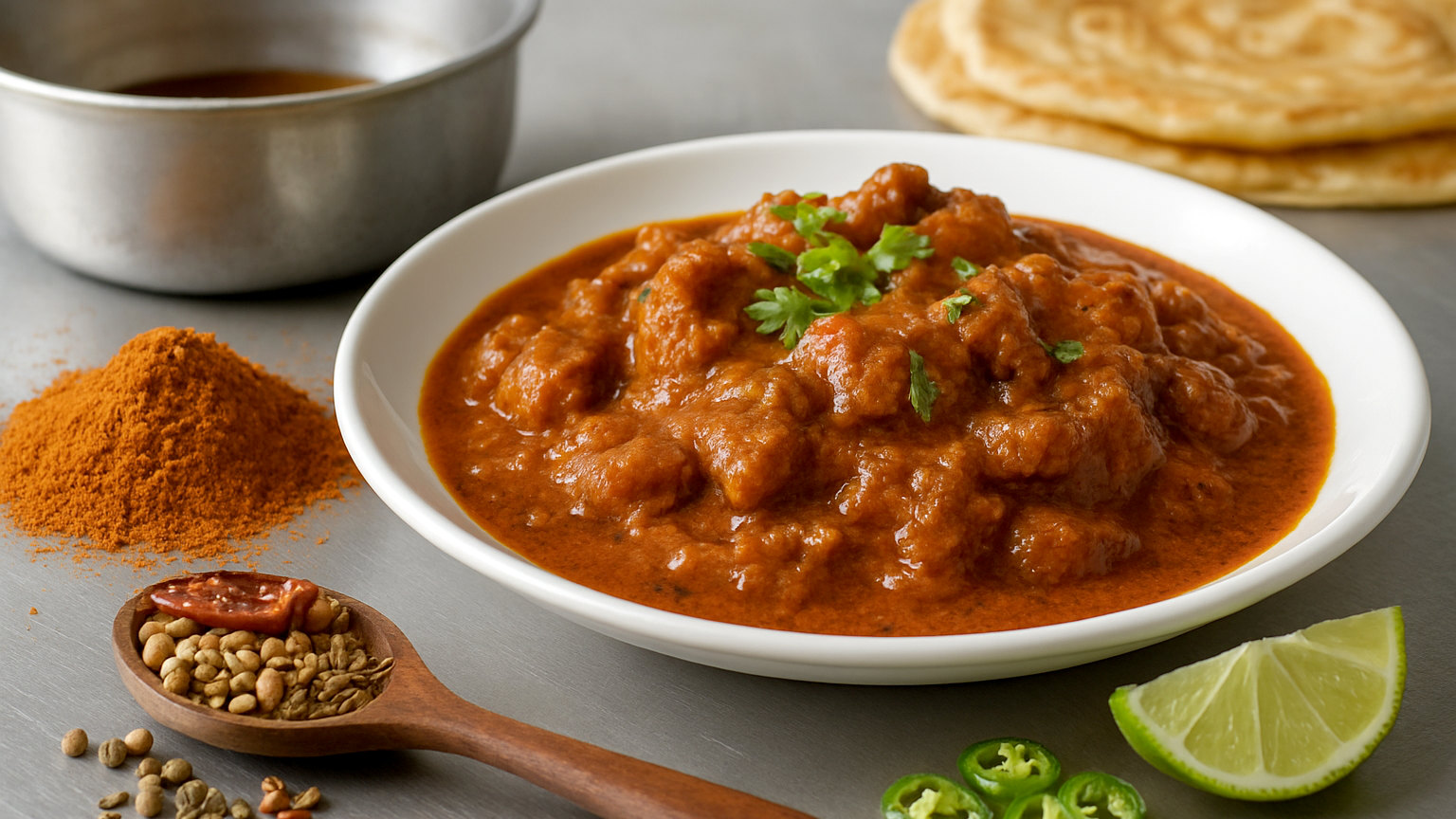
A chilli-dominant blend sold by heat grade rather than by dish. Buy it from a South African supplier, and start well below the grade you think you want.
Curry travelled, and everywhere it landed it changed. These recipes follow it: goat curry with Caribbean curry powder that is burnt in the pot before anything else goes in, Sri Lankan curries built on roasted dark spice and thick coconut milk, Malaysian and Indonesian curries that start with a pounded rempah, and the British curry-house canon that grew out of all of them. Each section explains what makes that style distinct rather than treating it as a variation on an Indian original, because in most cases it is not one.
A chilli-dominant blend sold by heat grade rather than by dish. Buy it from a South African supplier, and start well below the grade you think you want.
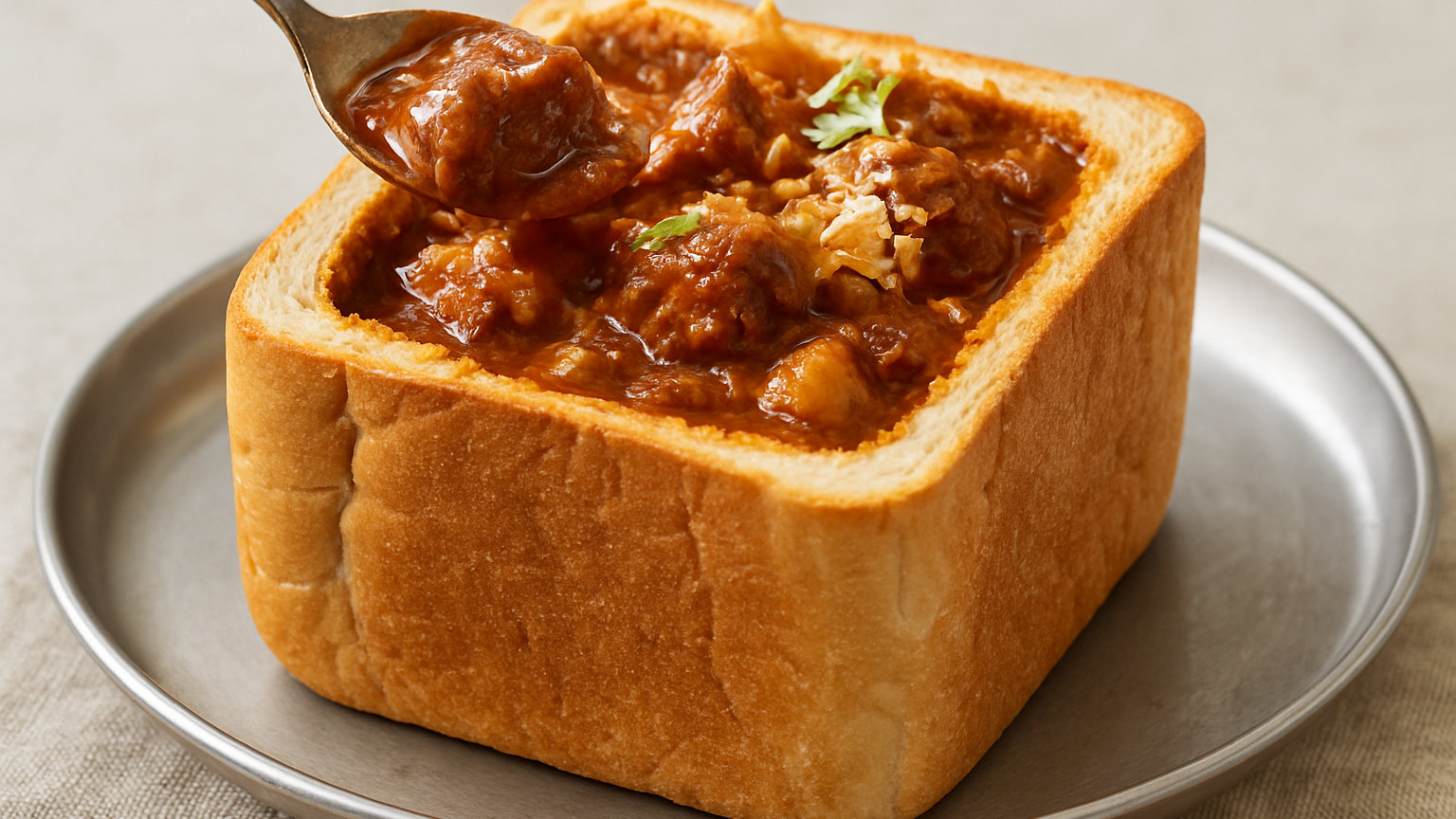
Bone-in mutton braised for two hours in a tomato and masala base. It is the curry that fills a bunny chow and the one Durban is known for.
Because the Cape Malay tradition inherited a sweet-sour balance from South East Asia and had orchard fruit to build it with. It is deliberate rather than a British addition.
Coconut, tamarind and lime from the Swahili coast, where Indian Ocean trade shaped the cooking. Lighter and sharper than anything from South Africa.
A thousand years of Indian Ocean trade produced a coconut-based cooking tradition running from Somalia to Mozambique. Coastal, sour and moderately spiced.
A spiced vegetable relish with curry powder, beans and grated carrot. It sits alongside almost anything and takes twenty minutes.
A plain unsliced white loaf with a firm crust and a soft interior. Anything artisan, sourdough or crusty is the wrong bread entirely.
Different origins, different centuries, different oceans. One is fiercely hot and tomato-red, the other mild, sweet and full of dried fruit.
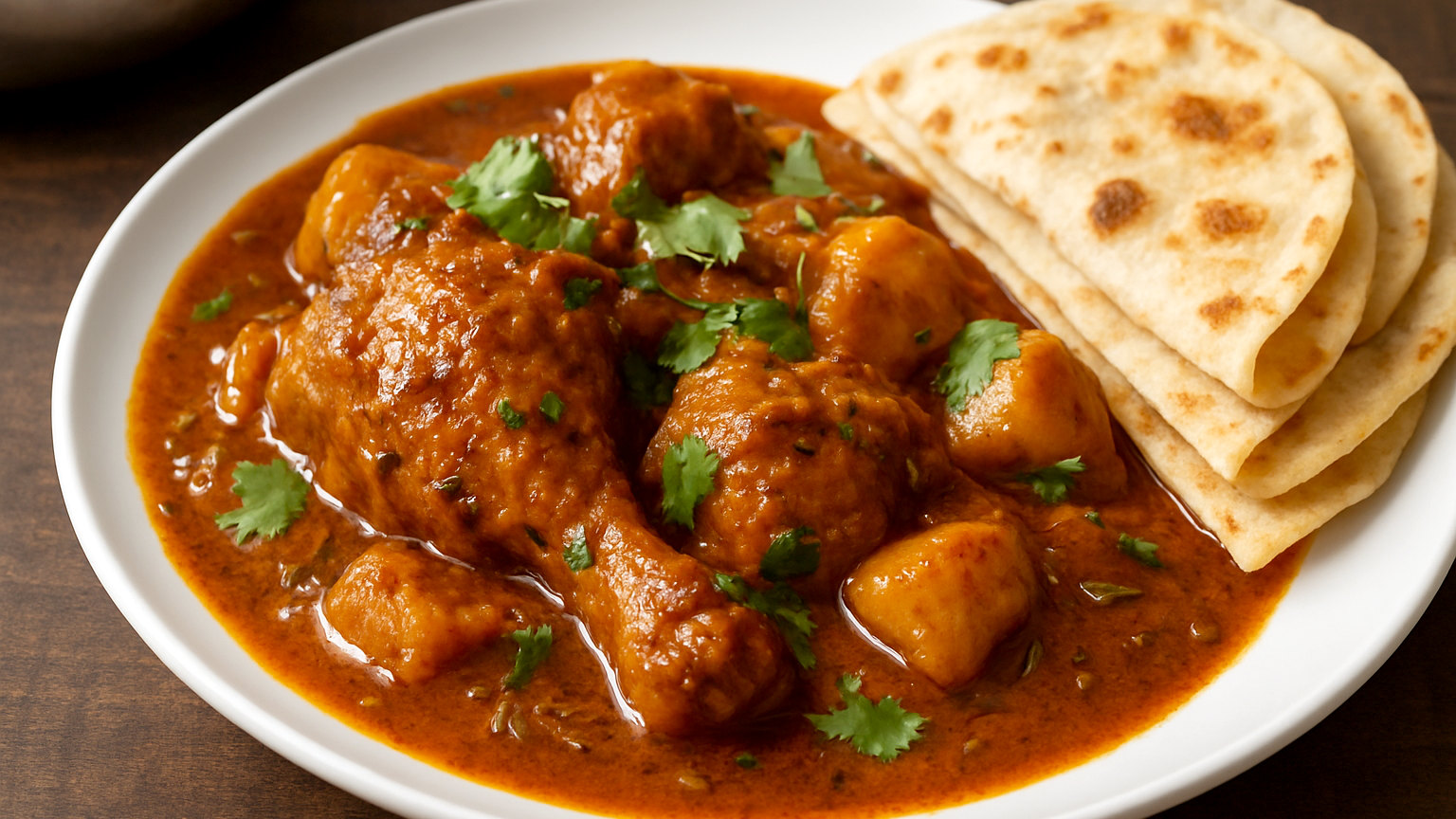
Depends entirely which tradition. Durban wants rice, roti or a hollowed loaf; Cape Malay wants yellow rice; the Swahili coast wants coconut rice or chapati.
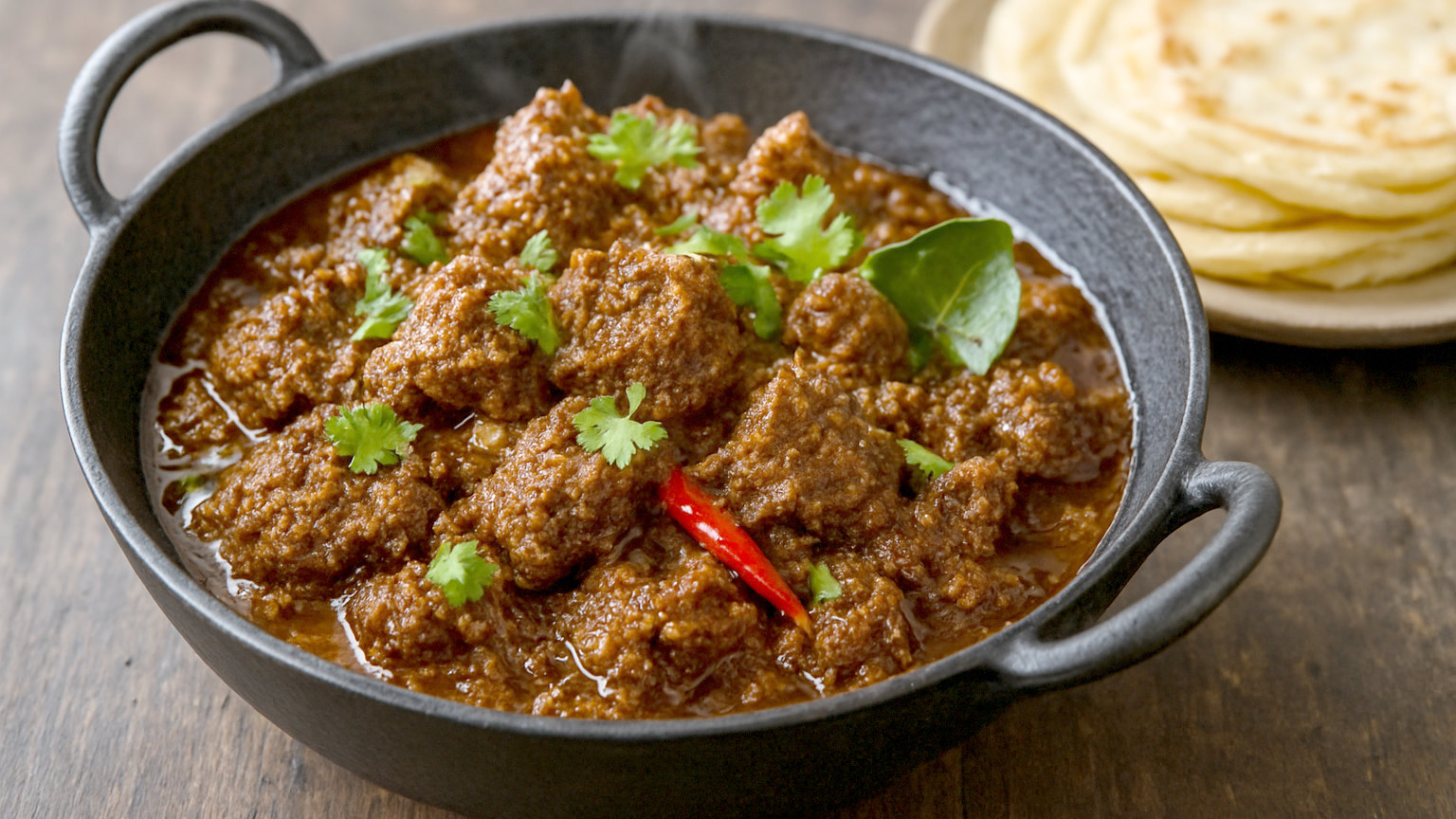
Three hours of reducing coconut milk until the sauce disappears and the beef fries in its own oil. It is a dry dish, and anything wet is not a rendang.
A wet paste of fresh aromatics pounded together, and the foundation of almost every Malaysian curry. It is closer to a Thai paste than to a spoonful of powder.
Grated coconut roasted dark then pounded until the oil comes out and it turns to paste. It is what gives rendang its colour and much of its flavour.