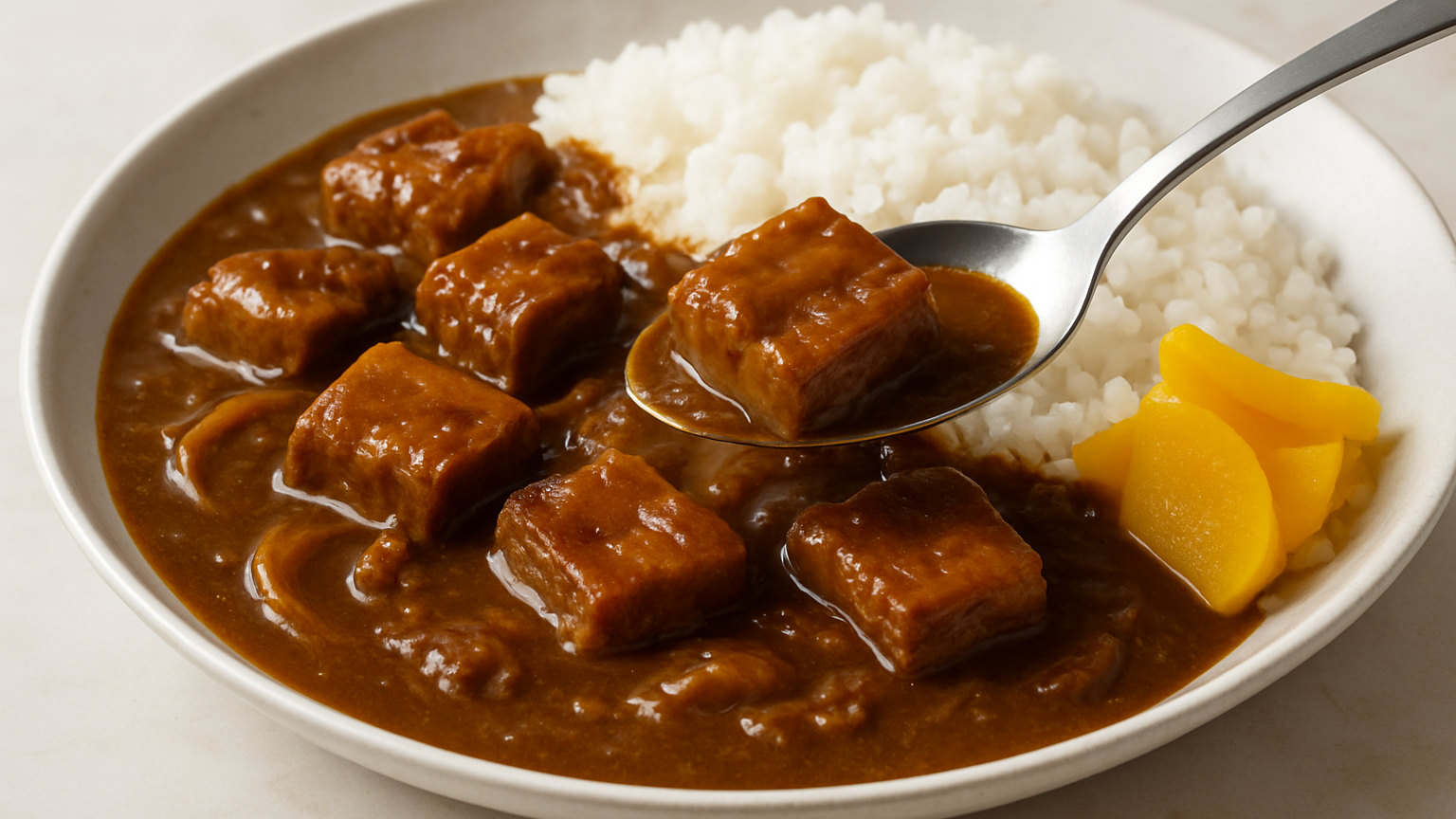
How to Make Beef Curry With a Roux Block
The way most Japanese households actually cook it. The block goes in at the end, off the heat, and the beef still needs its two hours first.
By Curry Recipes Team
8 Jan 2026

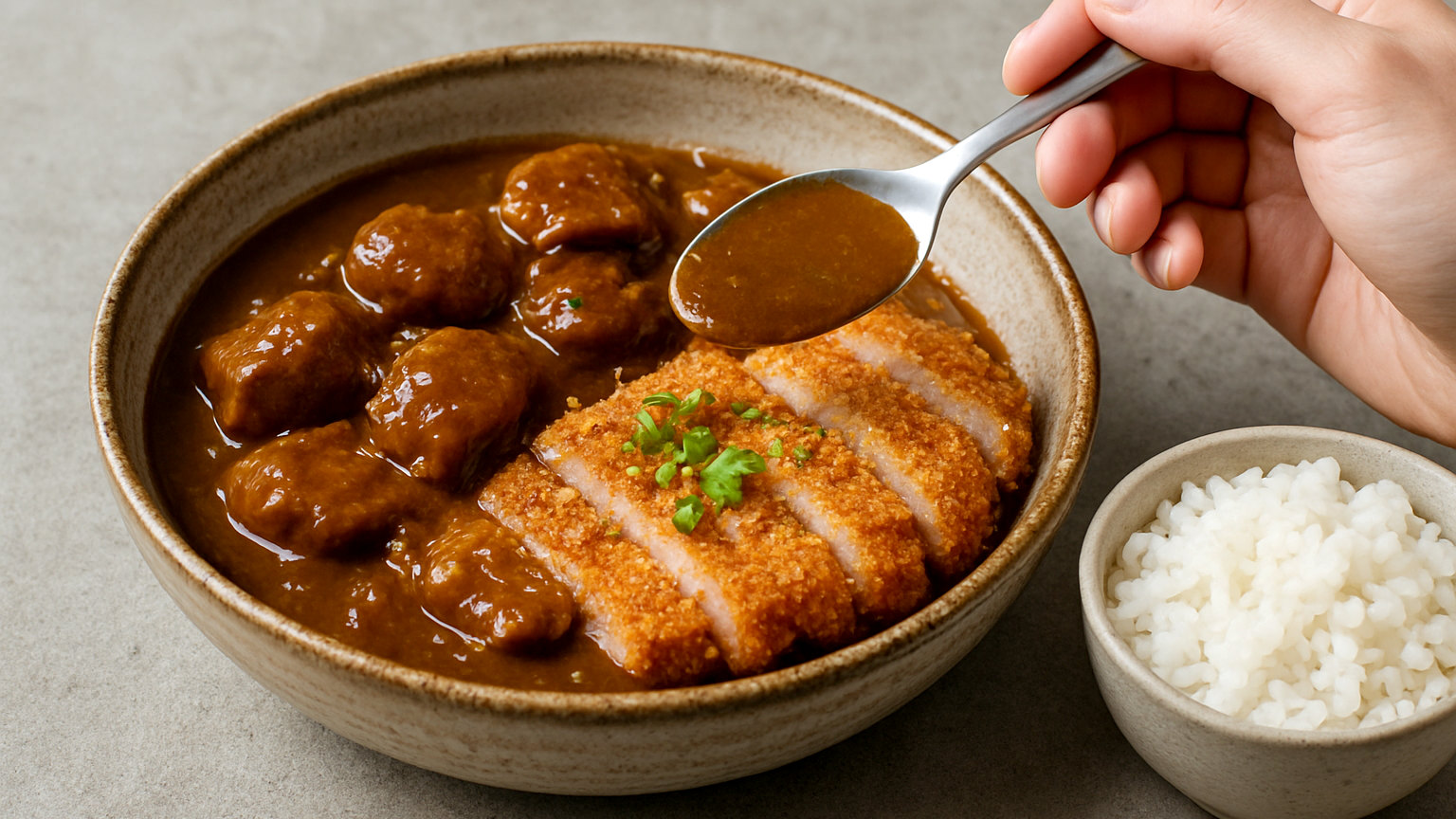
Japanese curry is the mildest and the most comforting of the three great curry traditions, and the one most often made from a shop-bought roux block. These recipes cover both routes: how to get the best out of a block if that is what is in the cupboard, and how to build the sauce from a proper flour-and-butter roux with curry powder, which takes twenty minutes and tastes considerably better. Katsu gets particular attention, because a crisp panko crust that stays crisp under sauce is mostly a matter of oil temperature and where you pour.
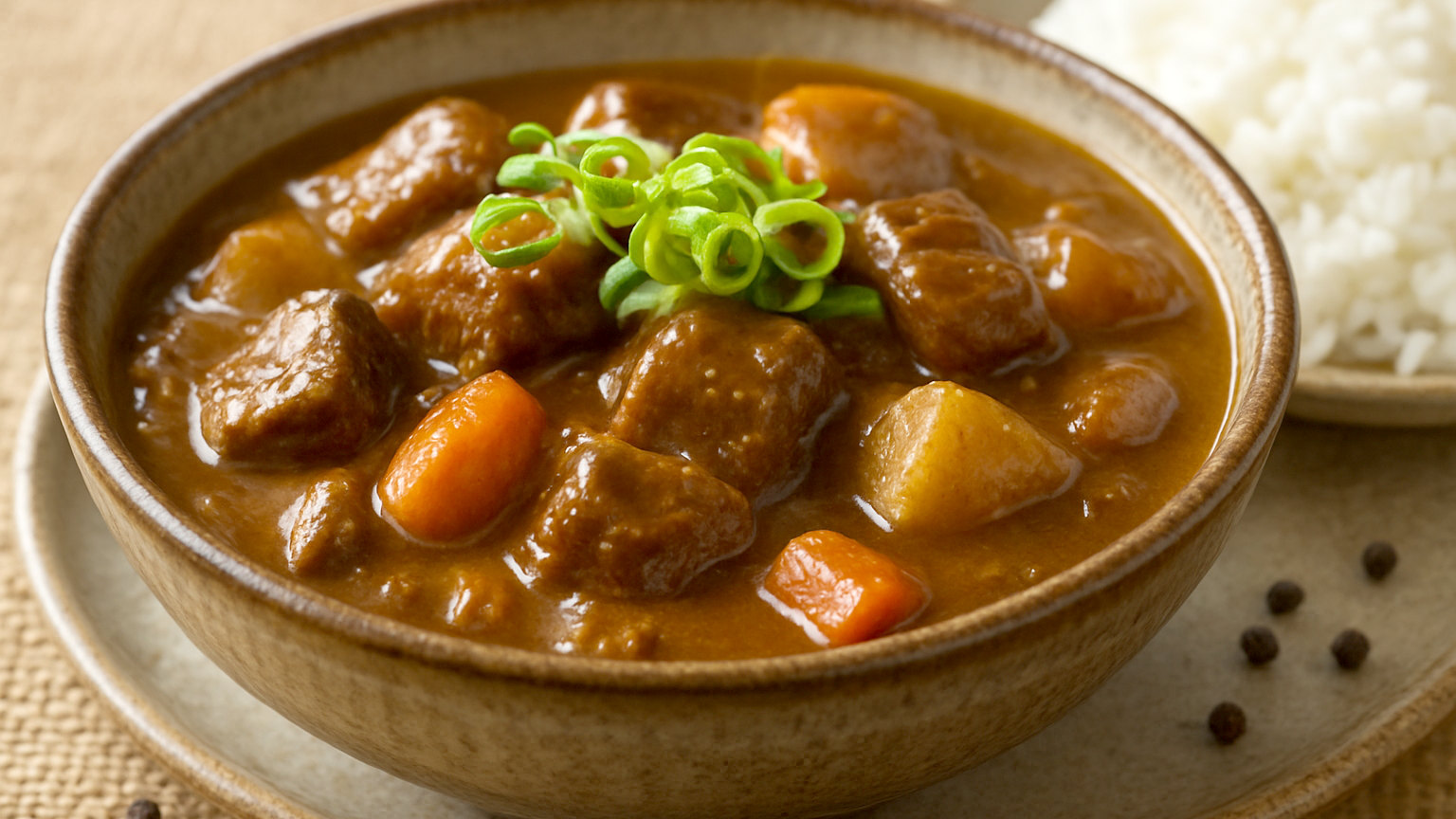
The way most Japanese households actually cook it. The block goes in at the end, off the heat, and the beef still needs its two hours first.
Chocolate, coffee, ketchup, jam and grated onion all appear in Japanese home cooking. Most are adding depth or acidity as much as sweetness.
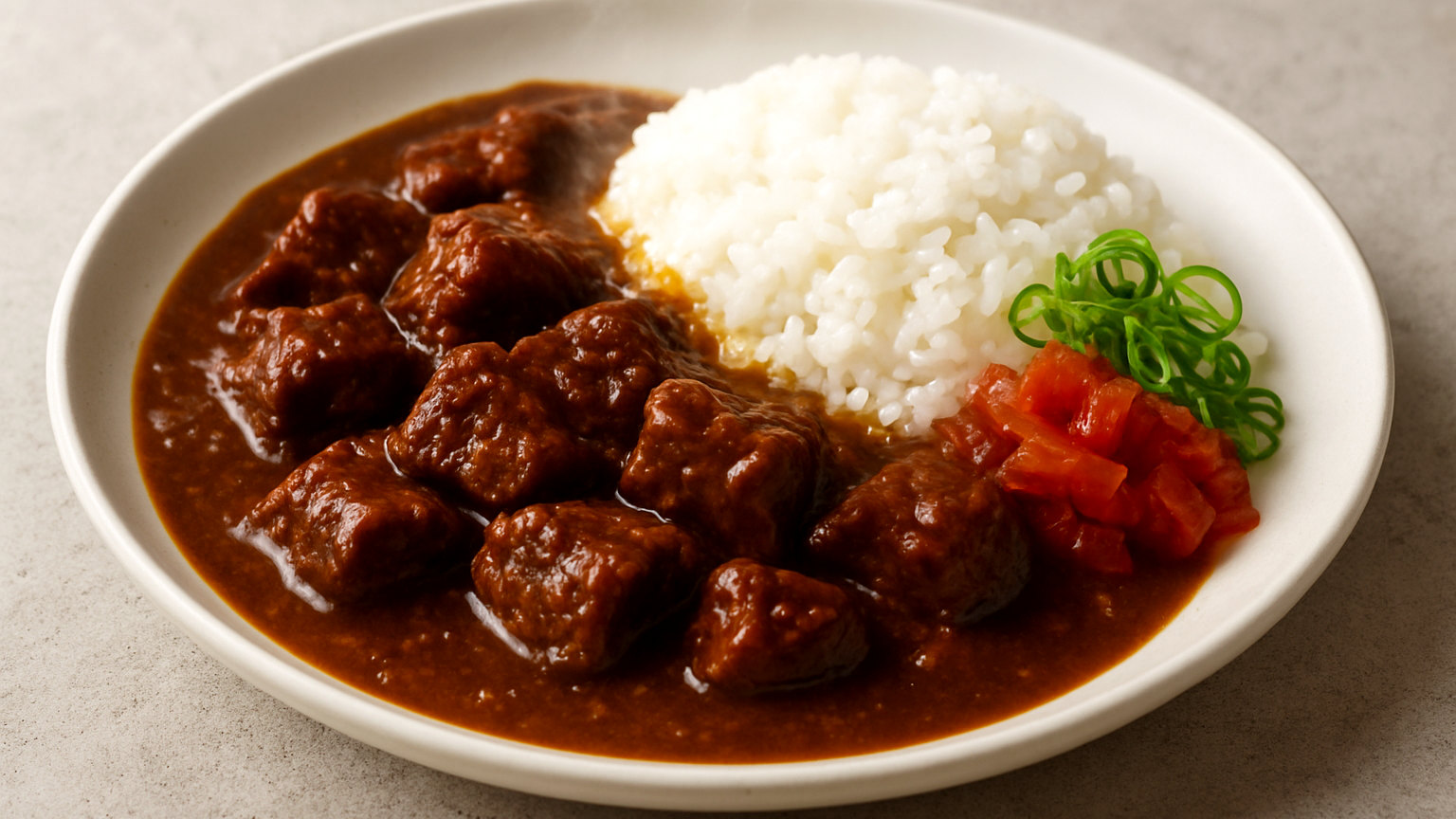
The close relative of Japanese beef curry, built on the same roux with tomato and red wine instead of curry powder. Thin beef, twenty-five minutes.
Yes, and it matters more here than in a spiced Indian curry. The residue left in the pan is where a large part of the savoury depth comes from.
Potato, carrot and onion, cut large. The trio is close to compulsory, and the timing matters because each wants a different amount of the cooking.
Thirty-five minutes at pressure replaces ninety of simmering, and the saute function handles the browning and the roux in the same pot.
Undercooked, boiled too hard, or the wrong cut entirely. Tough beef at ninety minutes usually just needs another half hour rather than anything clever.
It is better the next day and better again on the third. Japanese households treat leftover curry as a separate meal in its own right.
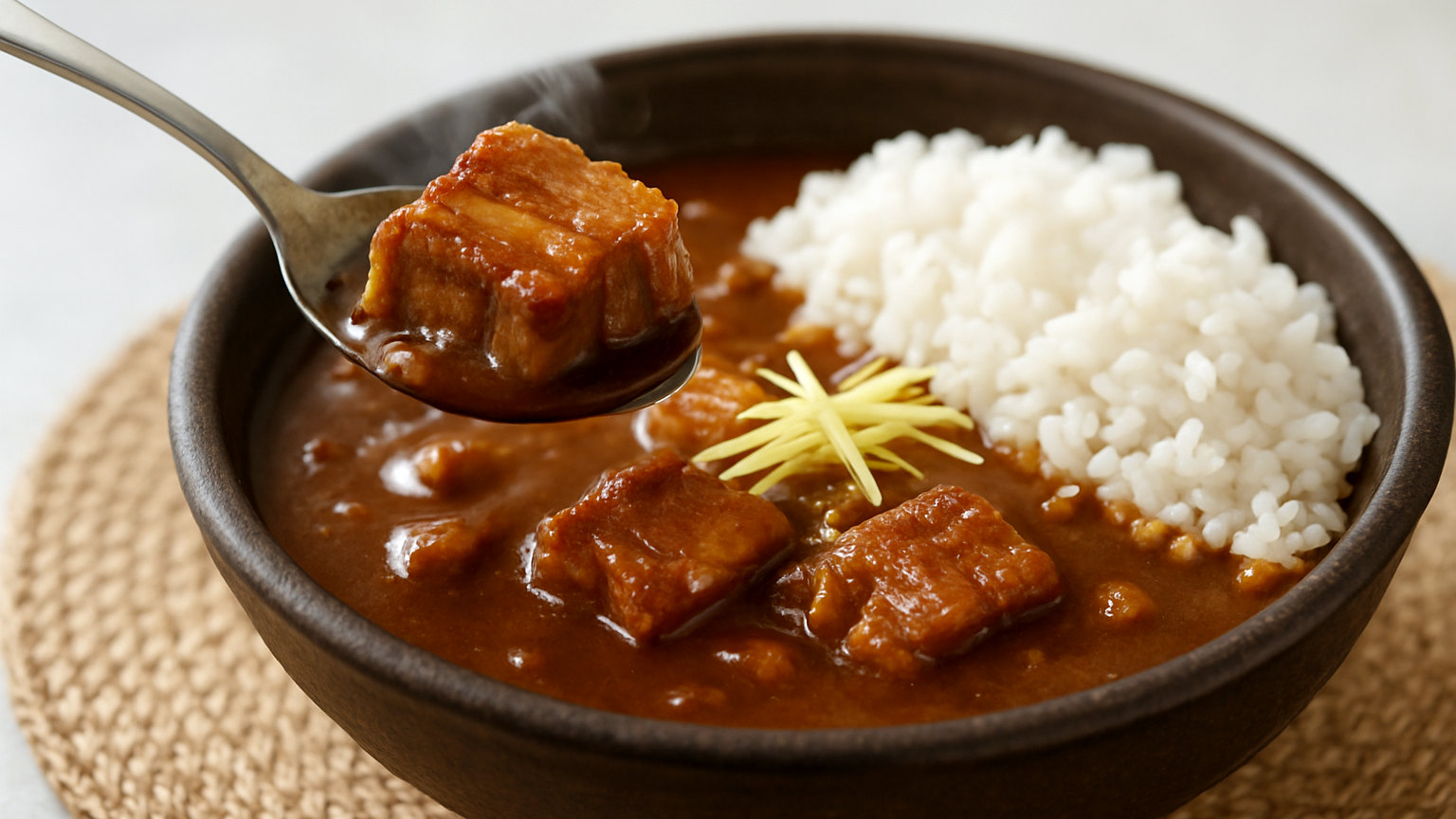
Render the belly hard before anything else goes in the pan, and use that fat for the roux. A curry made this way is rich rather than greasy.
Start in a cold dry pan and go slowly. Fat that is rushed seizes inside the meat, and fat that is rendered gently comes out clean and usable.
More acidity and more salt, less added fat. A sauce calibrated for chicken tastes flabby against pork belly, and the fix is sharpness rather than spice.
Belly and shoulder for a braise, loin and fillet for a cutlet. The two groups want completely different treatments and cannot be swapped.