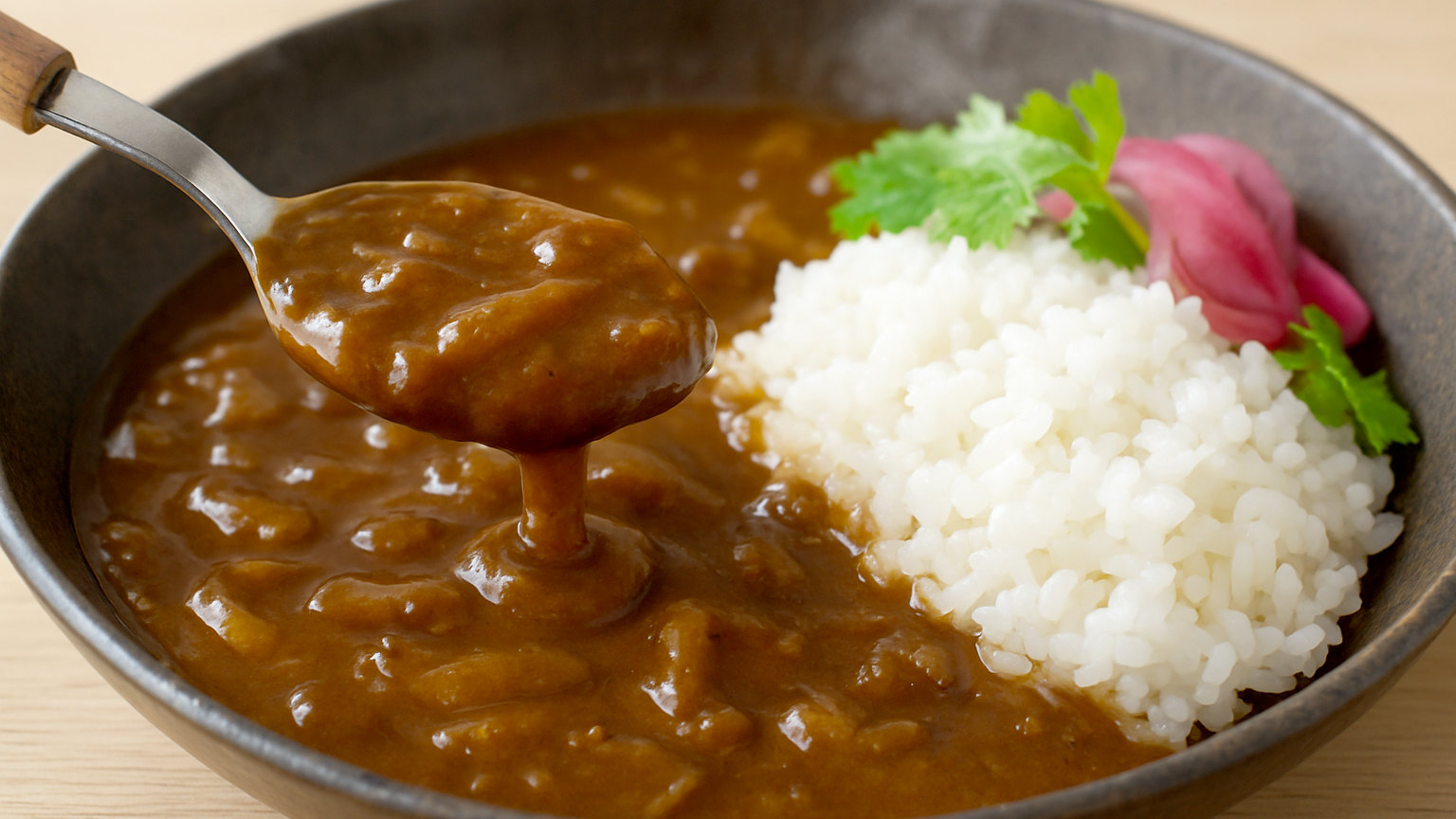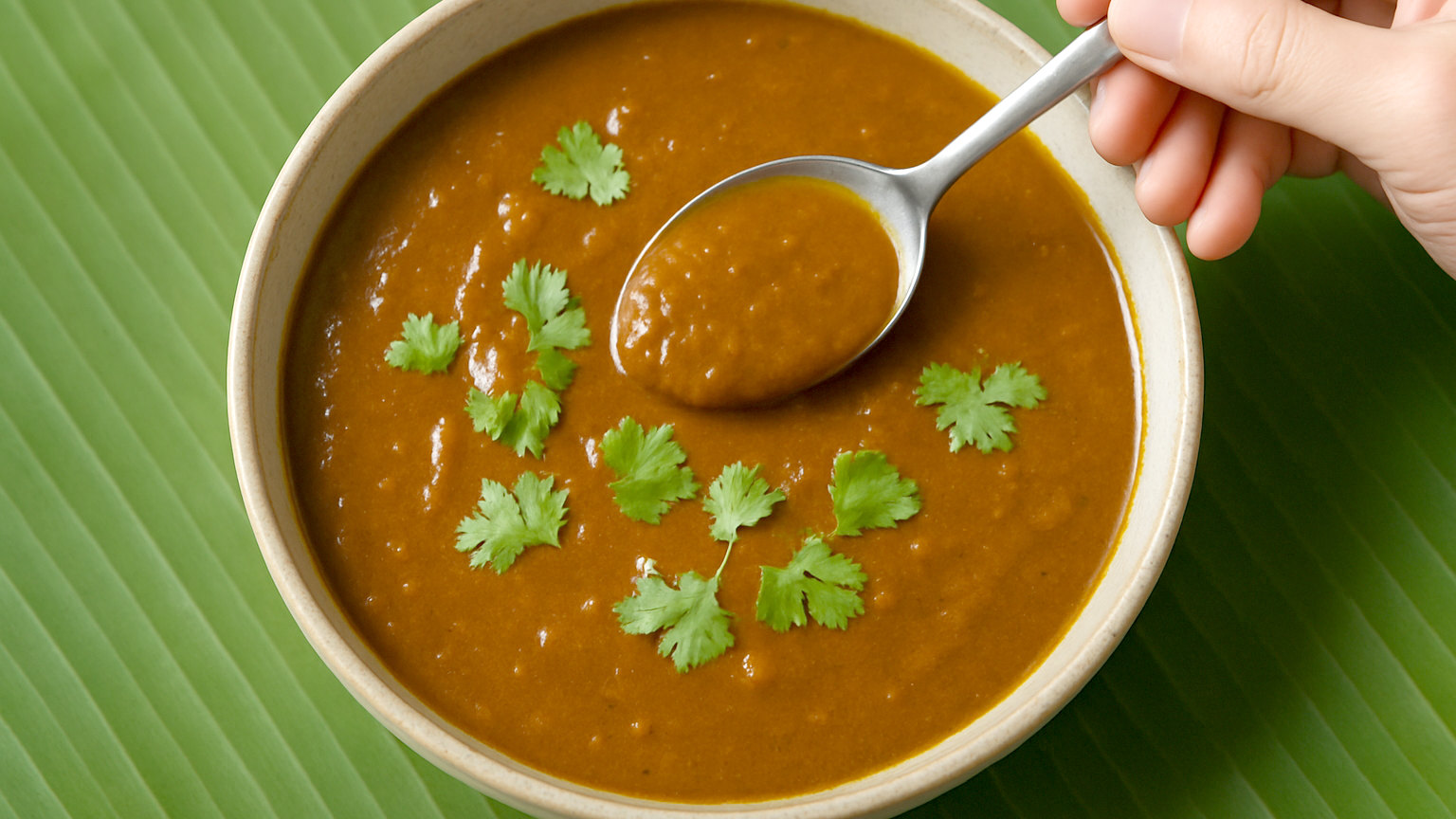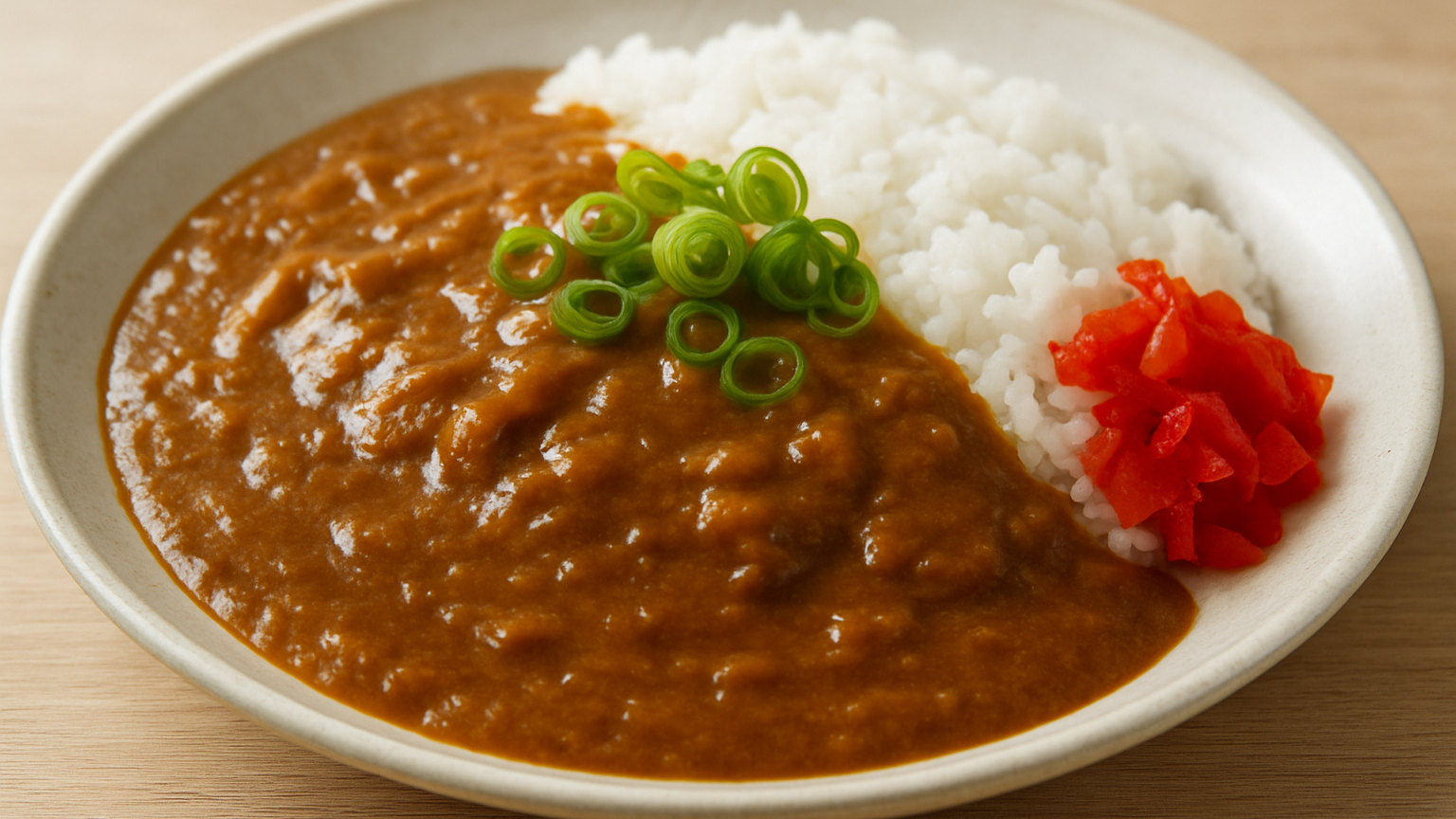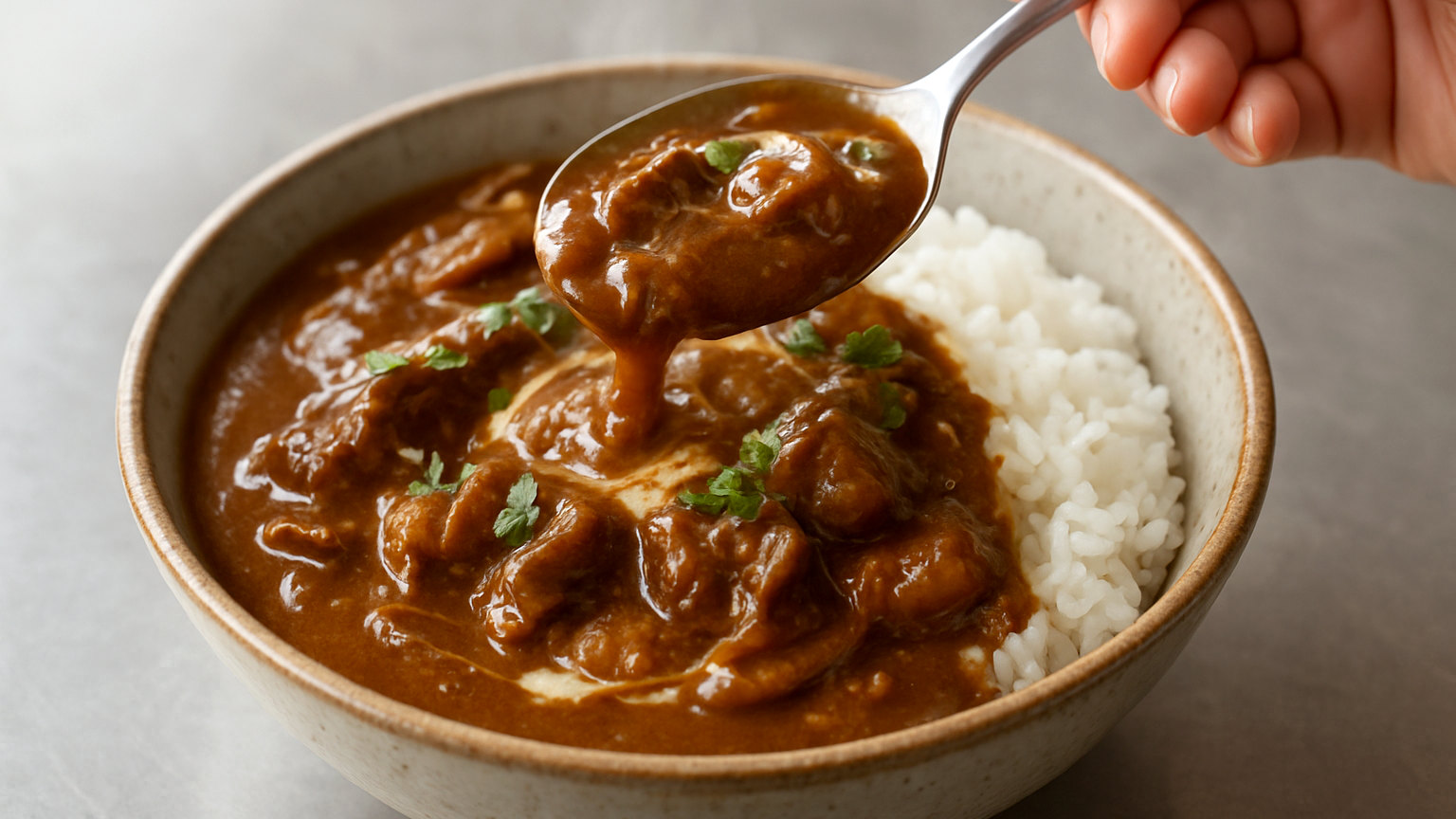
How to Make a Japanese Curry Roux Base
Make the roux in quantity, portion it and freeze it. You get the convenience of a shop-bought block with the flavour of butter rather than palm oil.
By Curry Recipes Team
21 Nov 2025

Japanese curry is the mildest and the most comforting of the three great curry traditions, and the one most often made from a shop-bought roux block. These recipes cover both routes: how to get the best out of a block if that is what is in the cupboard, and how to build the sauce from a proper flour-and-butter roux with curry powder, which takes twenty minutes and tastes considerably better. Katsu gets particular attention, because a crisp panko crust that stays crisp under sauce is mostly a matter of oil temperature and where you pour.
Make the roux in quantity, portion it and freeze it. You get the convenience of a shop-bought block with the flavour of butter rather than palm oil.
Equal weights of fat and flour, then roughly 100g of that roux per litre of liquid for a standard sauce. Measuring by weight removes the guesswork entirely.
White, blond, brown and dark brown, each taking longer and thickening less. Japanese curry lives between blond and brown depending on the dish.
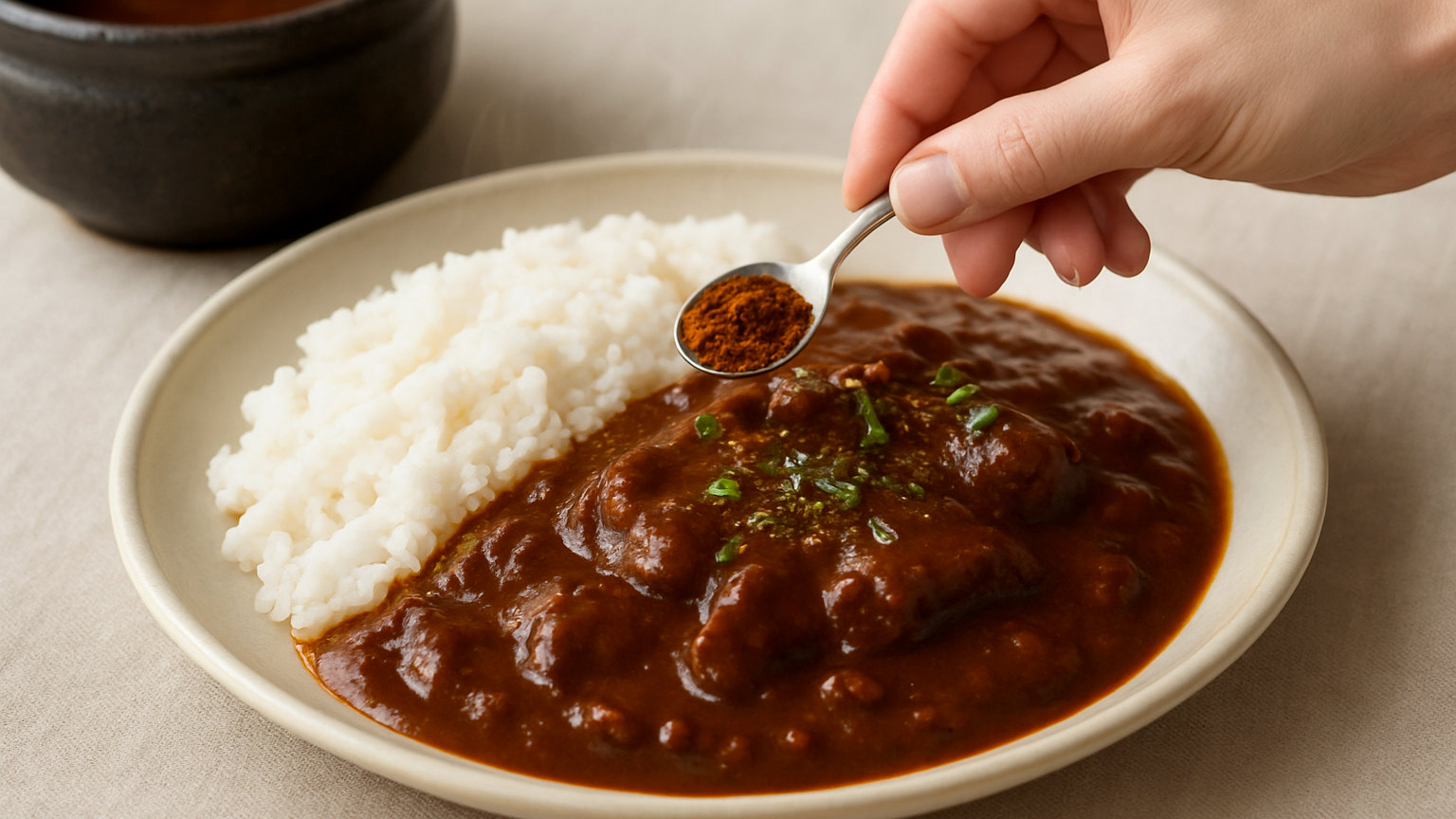
Turmeric, coriander and fenugreek lead, with citrus peel and fennel setting it apart from an Indian blend. Around fifteen spices in the full version.
Liquid added too fast, or a temperature clash between roux and stock. Both are preventable, and a sieve fixes it either way.
Three litres in forty minutes, portioned and frozen. It turns katsu curry into a fifteen-minute weeknight dish for the next three months.
Not enough roux for the liquid, a roux taken too dark, or it simply has not simmered long enough. Starch needs heat and time to do its work.
Butter for flavour, oil for a neutral or vegan version, and rendered meat fat where the dish already has it. Commercial blocks use palm oil for cost.
A blond roux, grated onion instead of sliced, and no long simmer. It is not as deep as the full version and it is genuinely good on a weeknight.
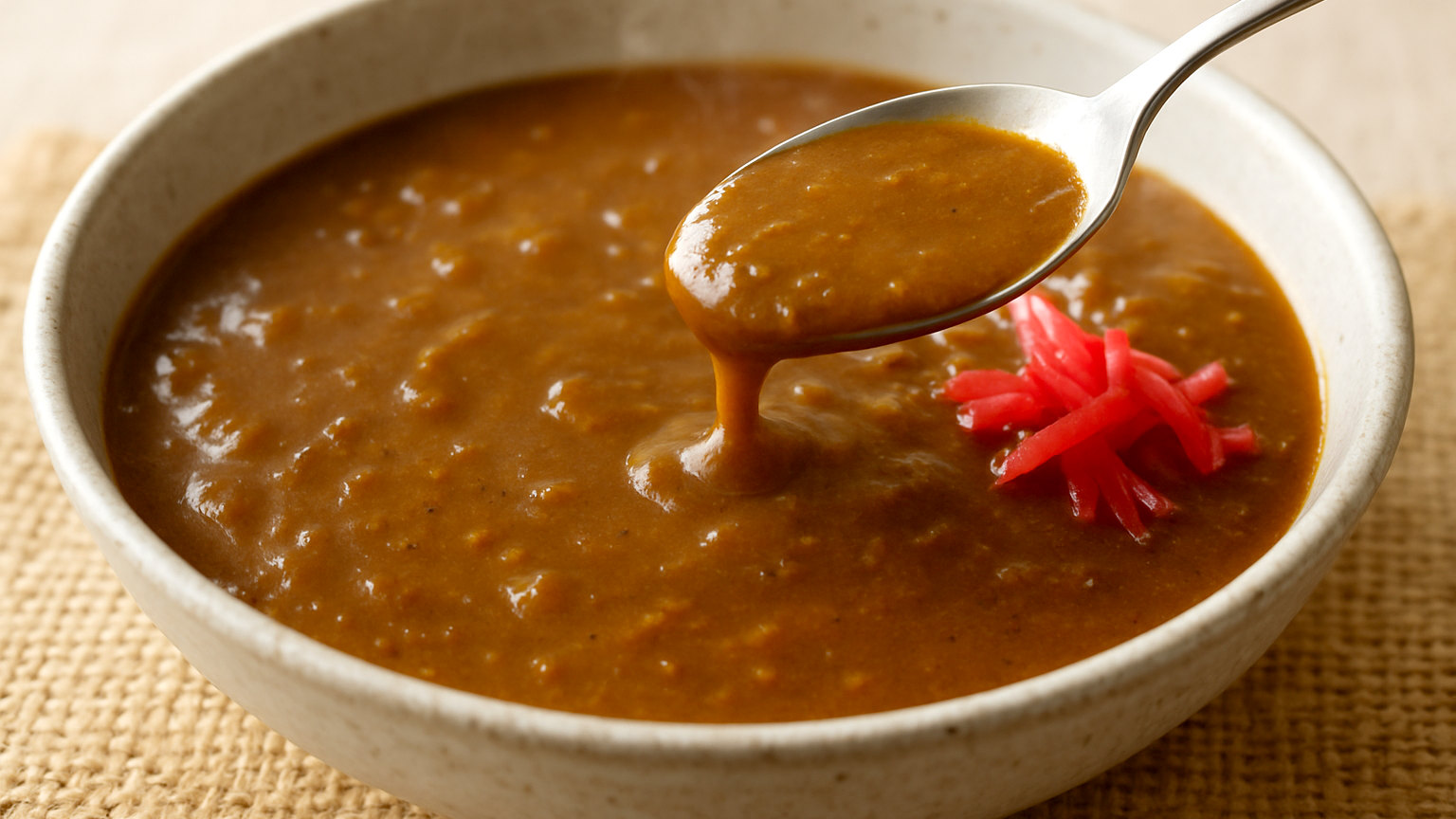
One sauce, four consistencies. The roux quantity per litre is the only variable, and it runs from 60g for udon broth to 160g for a bread filling.
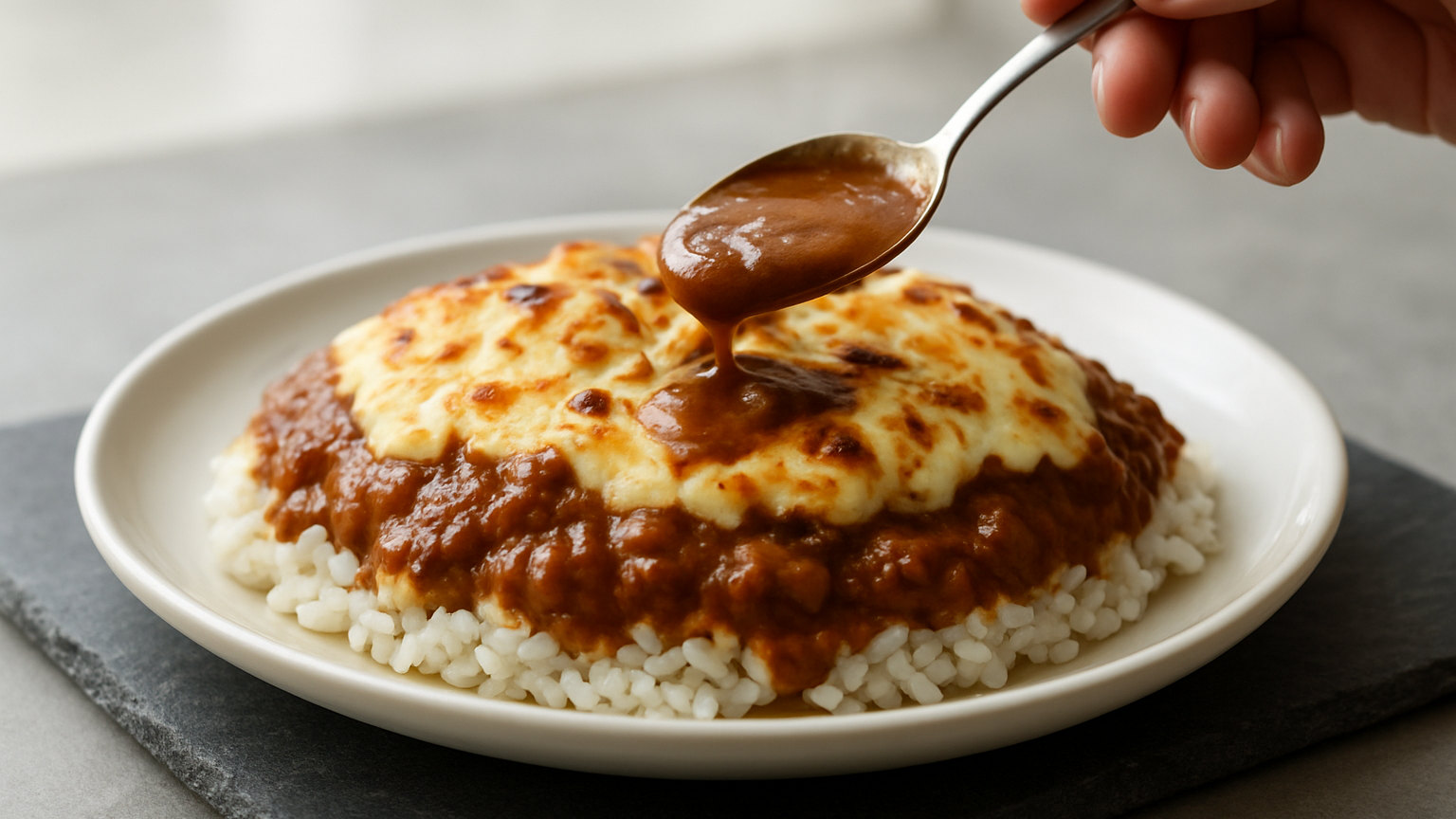
Buttered rice, curry sauce, white sauce and cheese, baked until blistered. The other great thing to do with a container of leftover curry.
Both freeze exceptionally well, and roux is arguably the more useful of the two. Three months either way, with no loss of quality.