What Is Tonkatsu Sauce and Do You Need It?
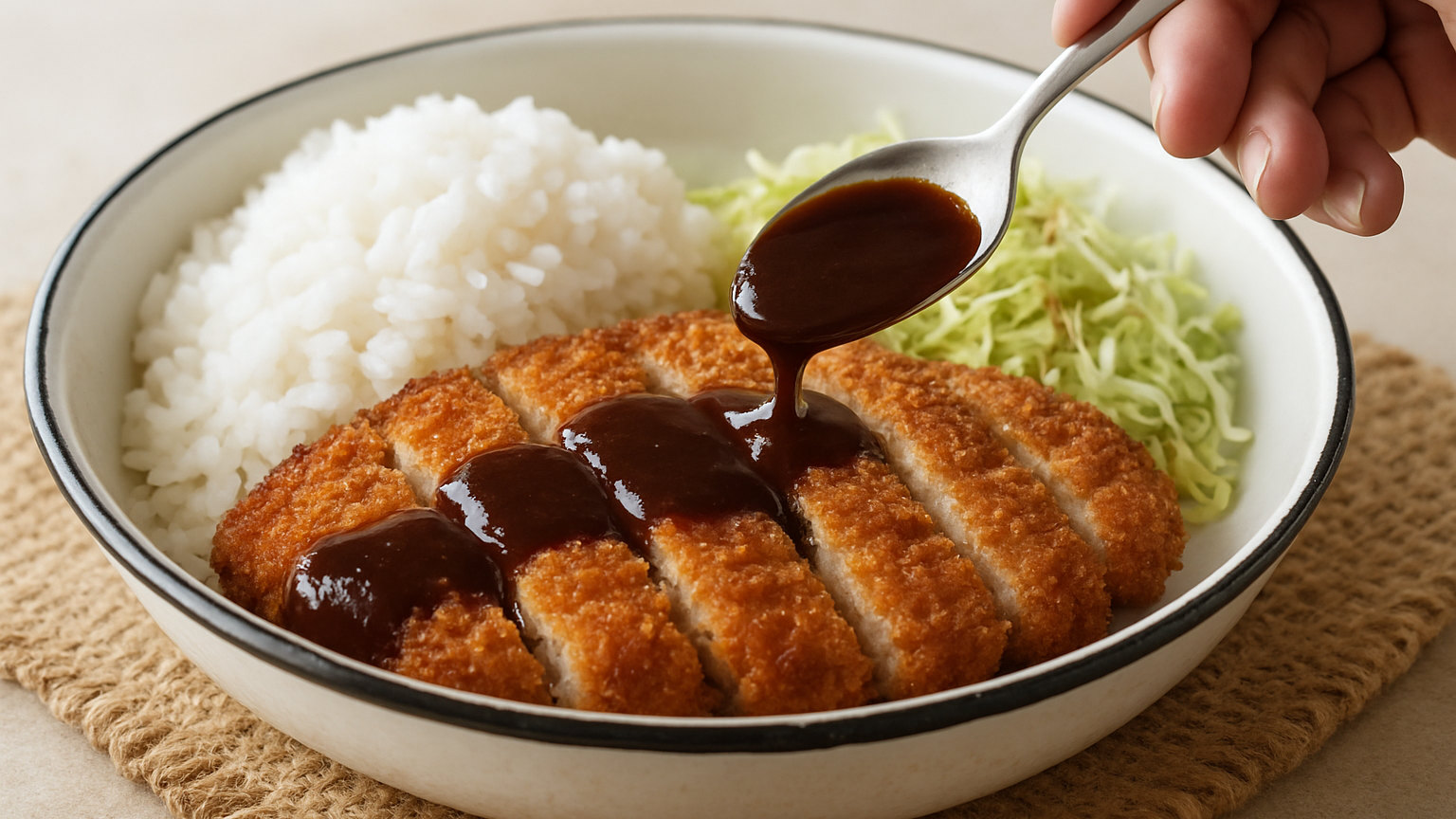
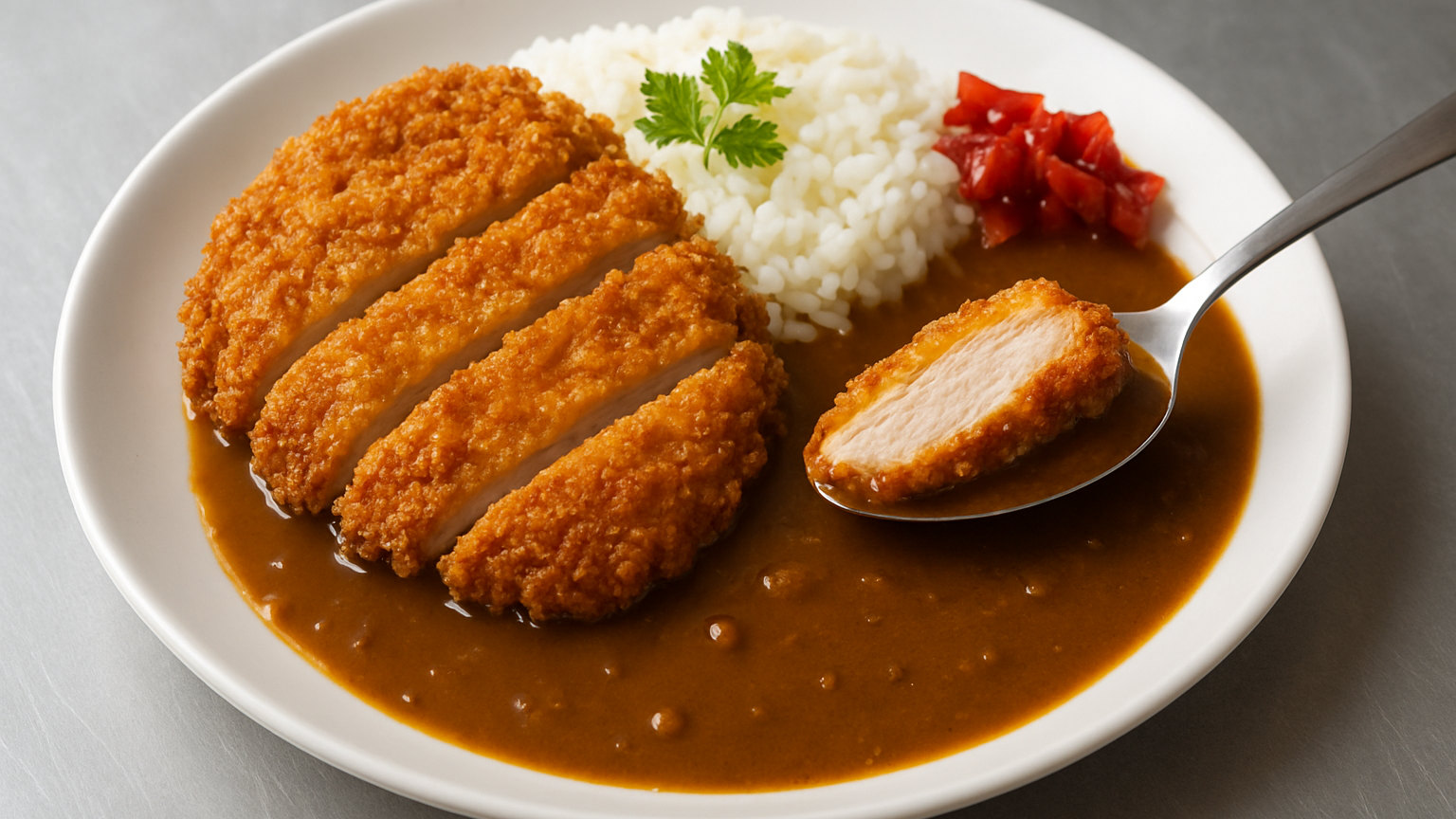
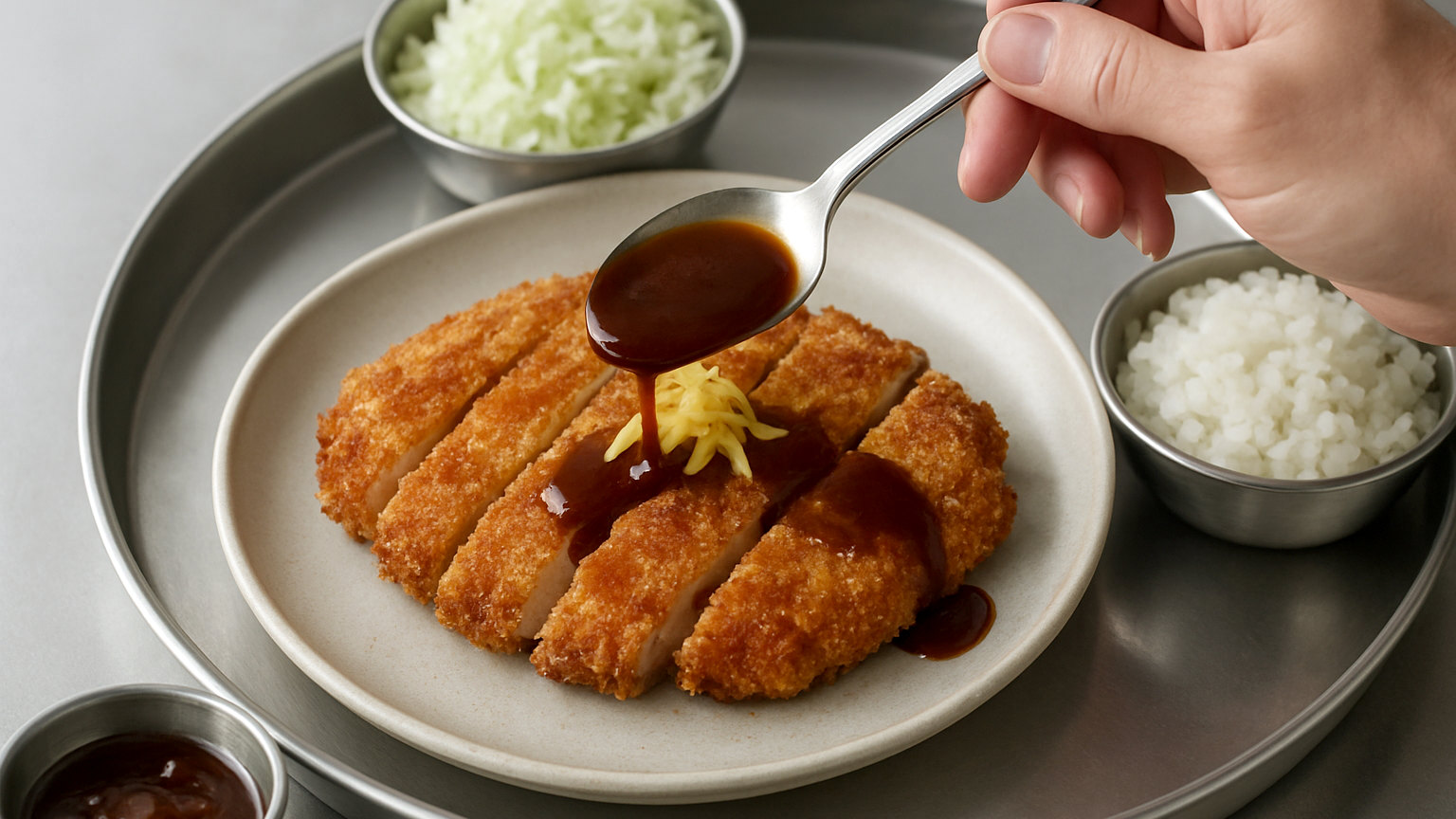
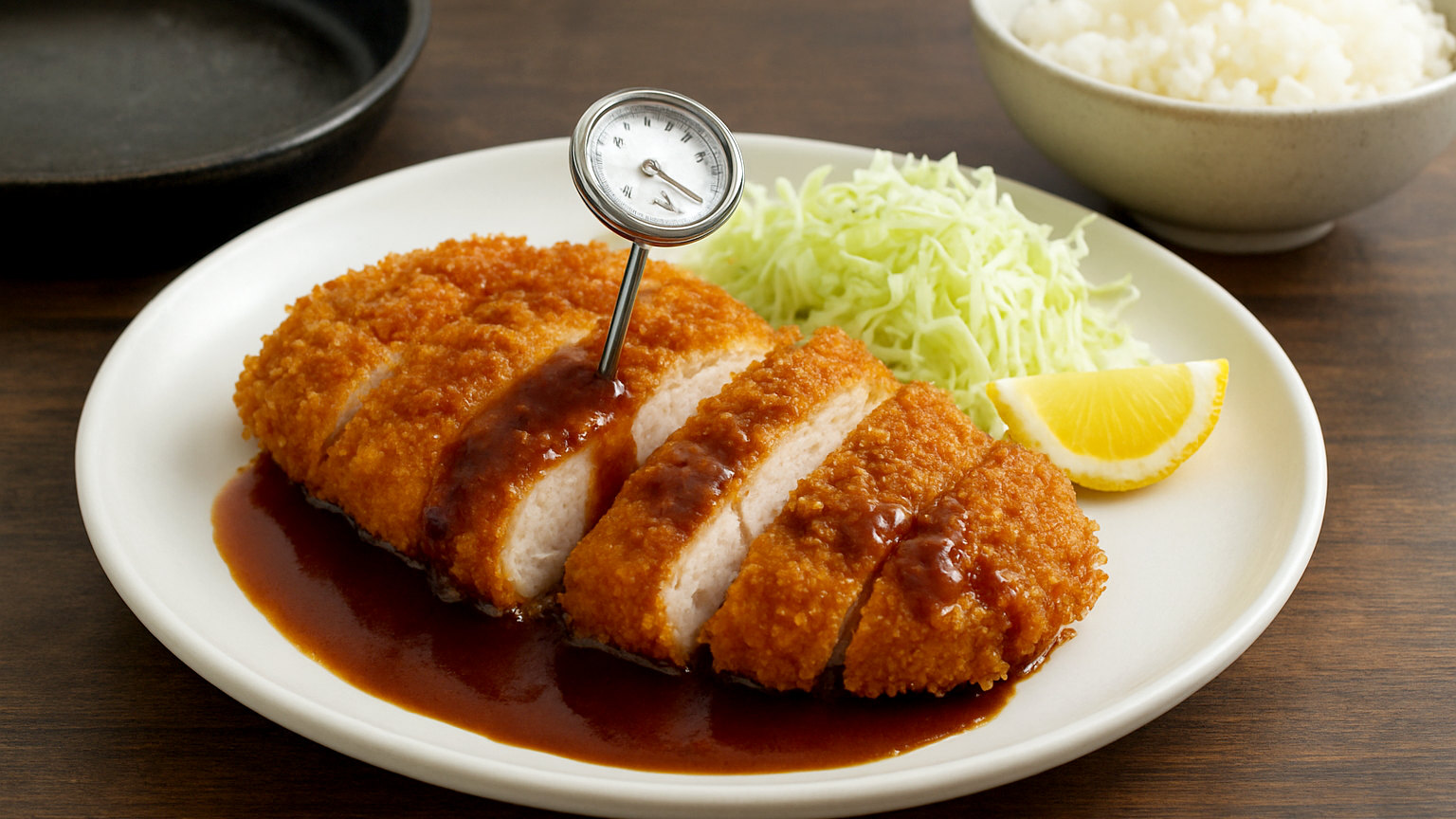
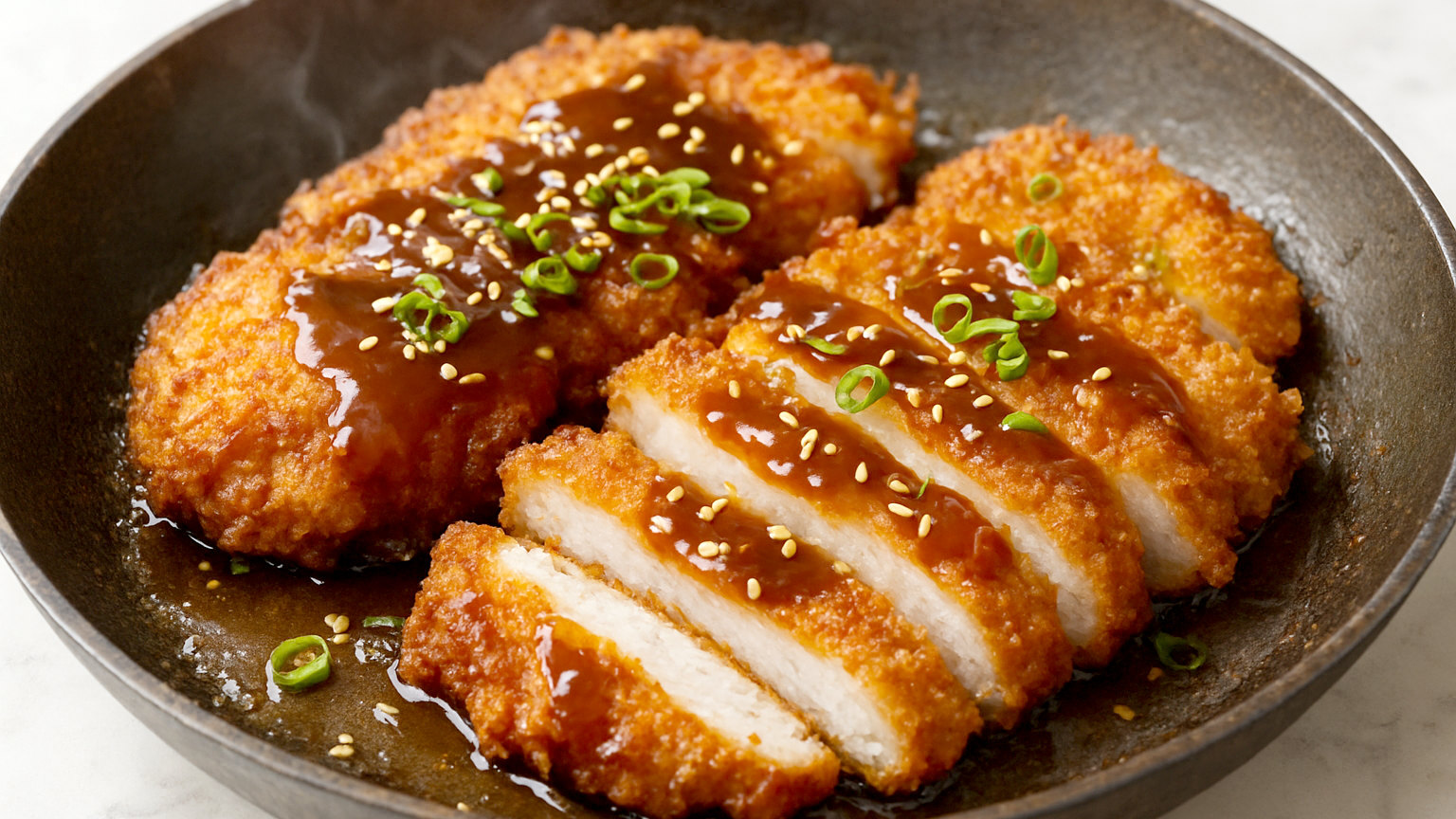
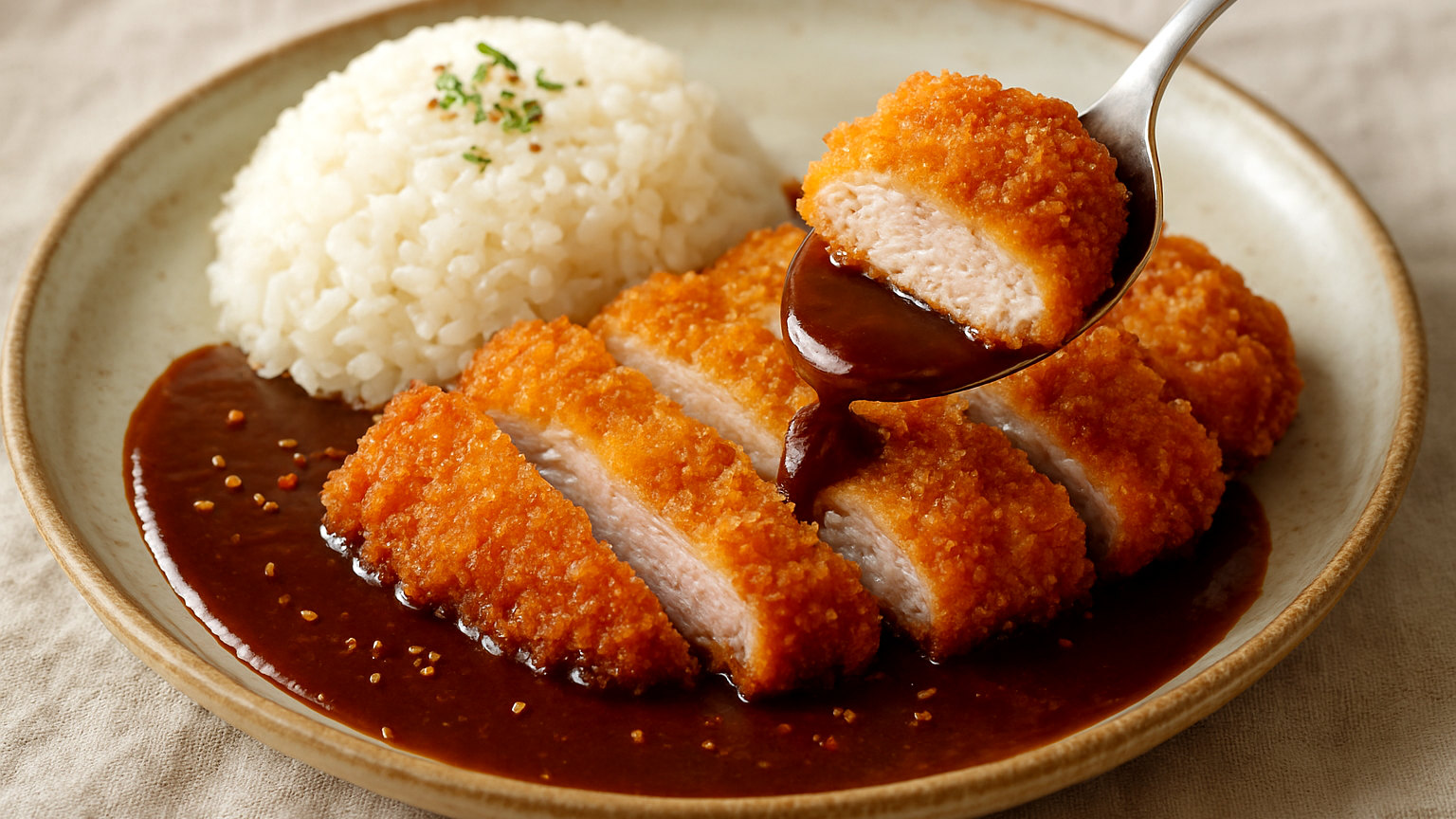
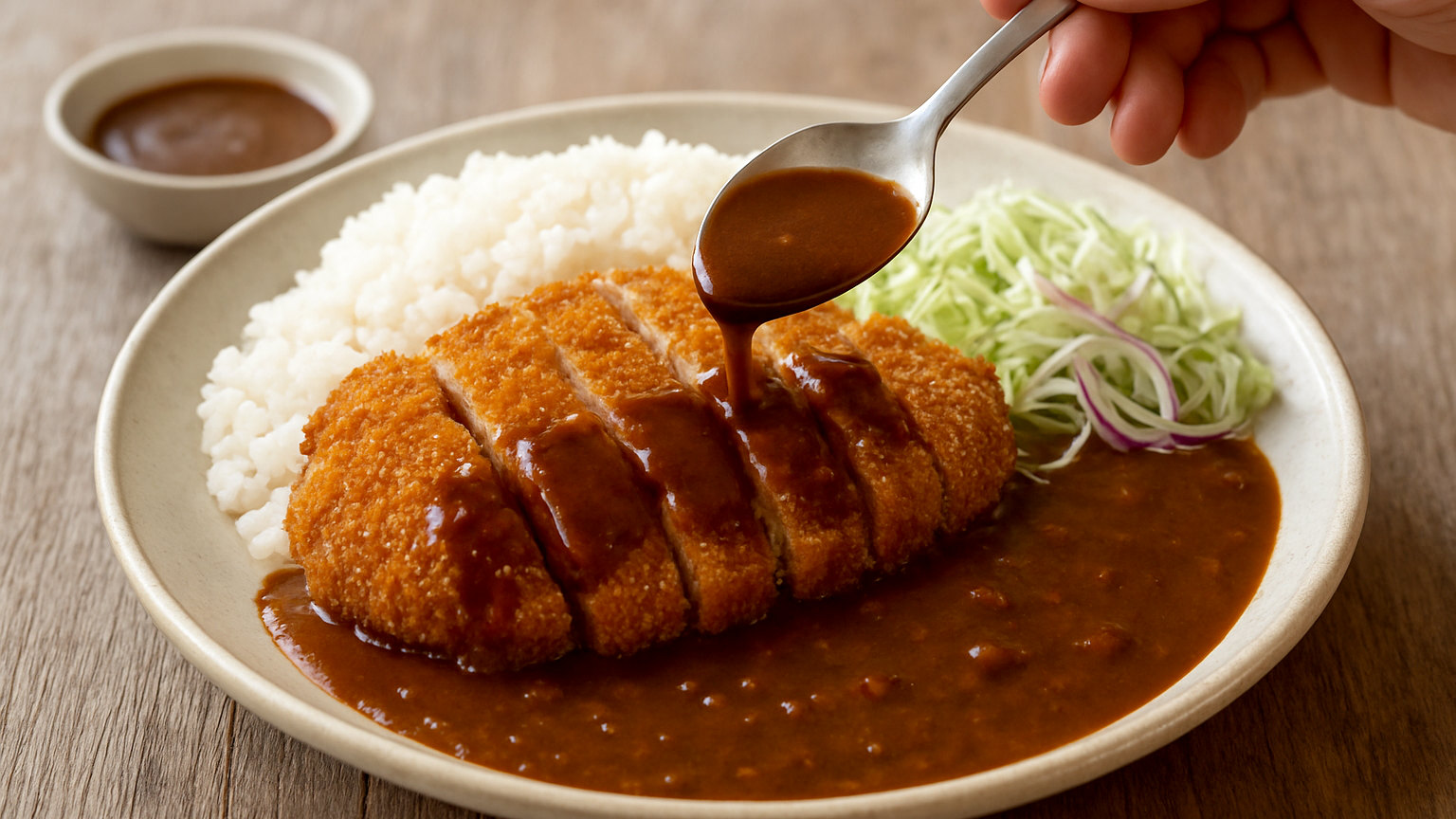
A thick fruity brown sauce, close to a sweeter HP. With curry sauce it is optional, and with a plain cutlet it is essential.
By Curry Recipes Team
1 Feb 2026

Japanese curry is the mildest and the most comforting of the three great curry traditions, and the one most often made from a shop-bought roux block. These recipes cover both routes: how to get the best out of a block if that is what is in the cupboard, and how to build the sauce from a proper flour-and-butter roux with curry powder, which takes twenty minutes and tastes considerably better. Katsu gets particular attention, because a crisp panko crust that stays crisp under sauce is mostly a matter of oil temperature and where you pour.
A thick fruity brown sauce, close to a sweeter HP. With curry sauce it is optional, and with a plain cutlet it is essential.
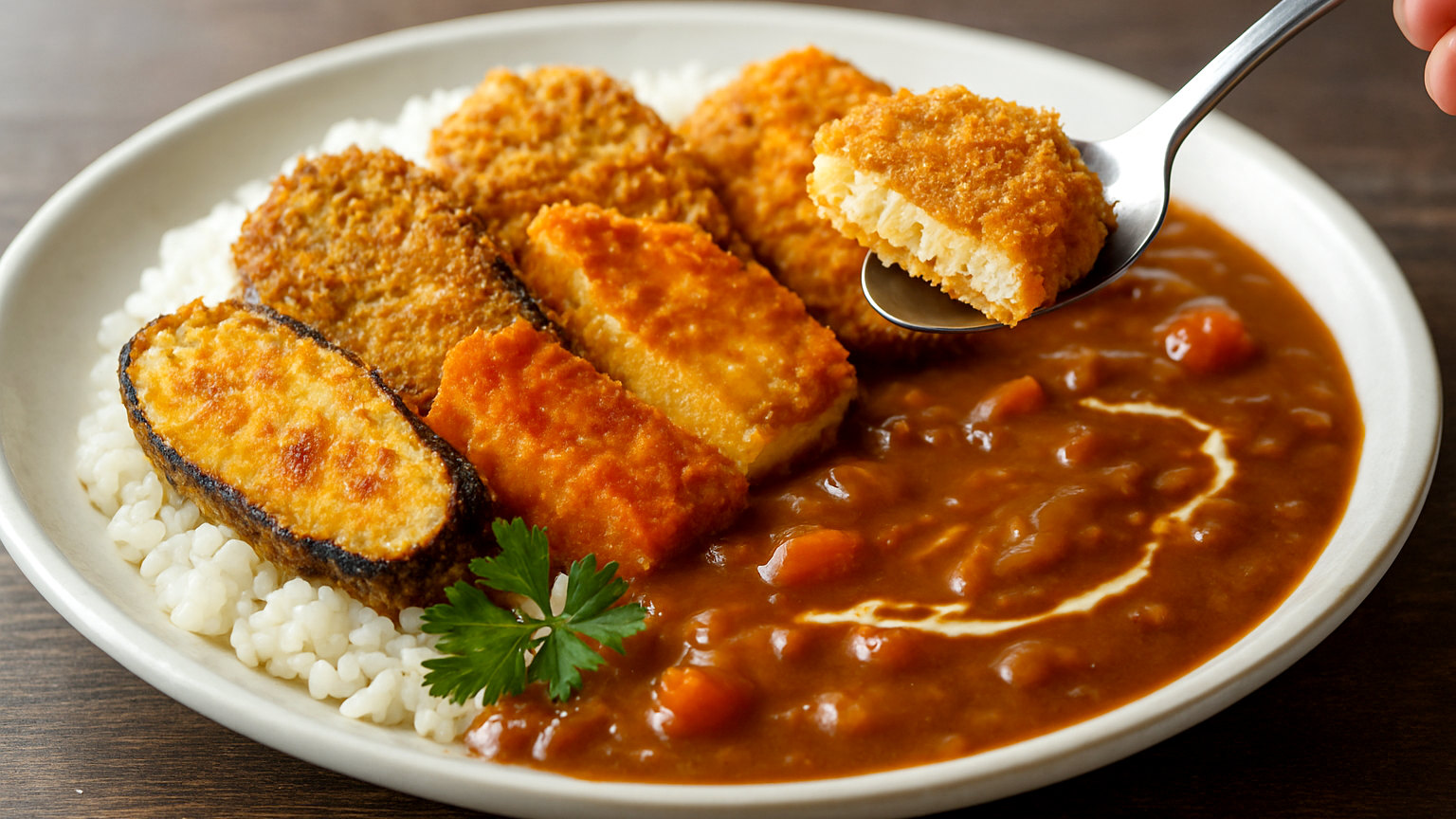
Aubergine, sweet potato and halloumi all crumb well. The sauce is the thing to check, since many roux blocks contain beef or chicken extract.
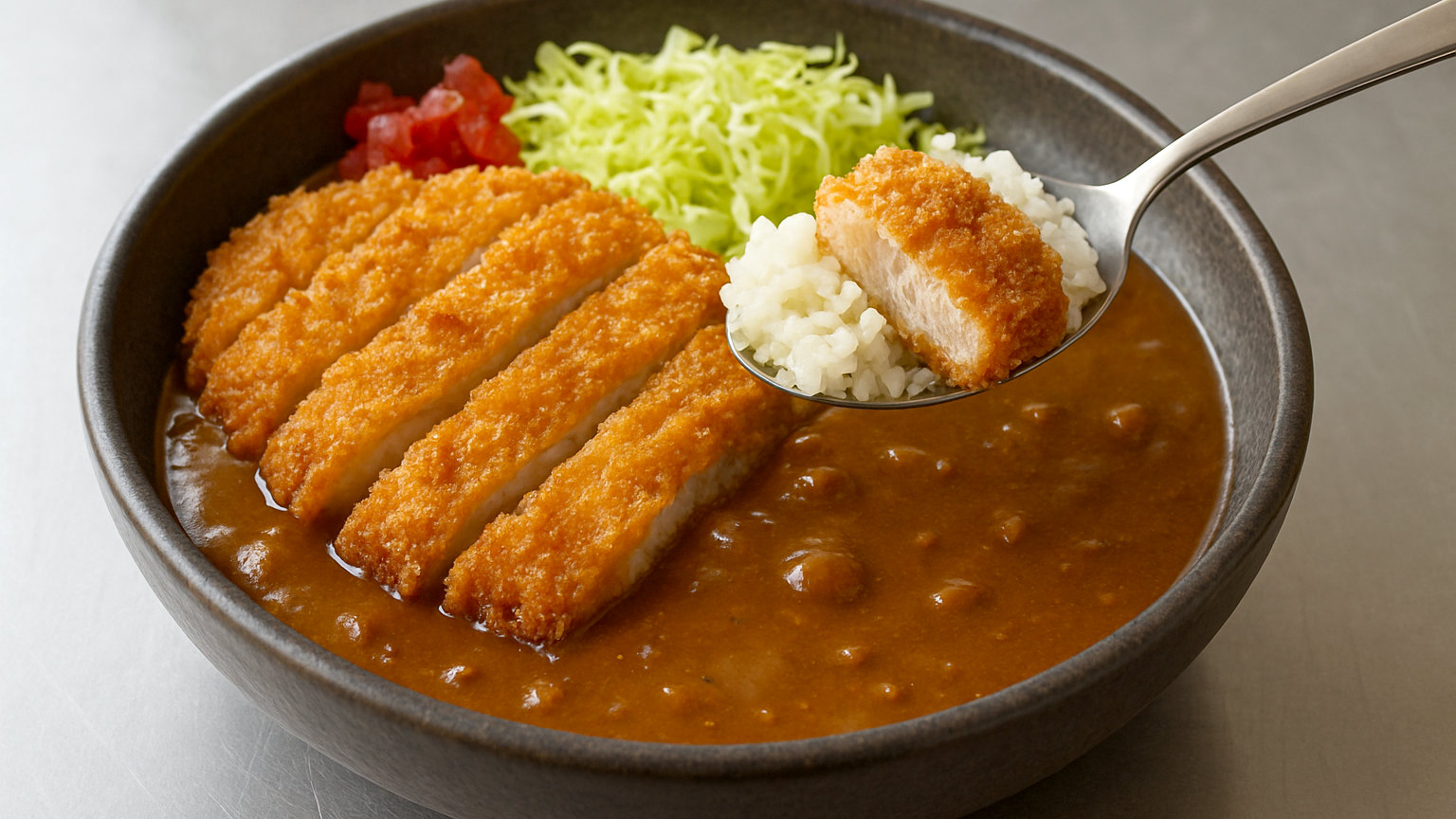
Shredded cabbage and a bright red pickle. Both cut through a rich plate, and the pickle is the one thing most British versions leave out.
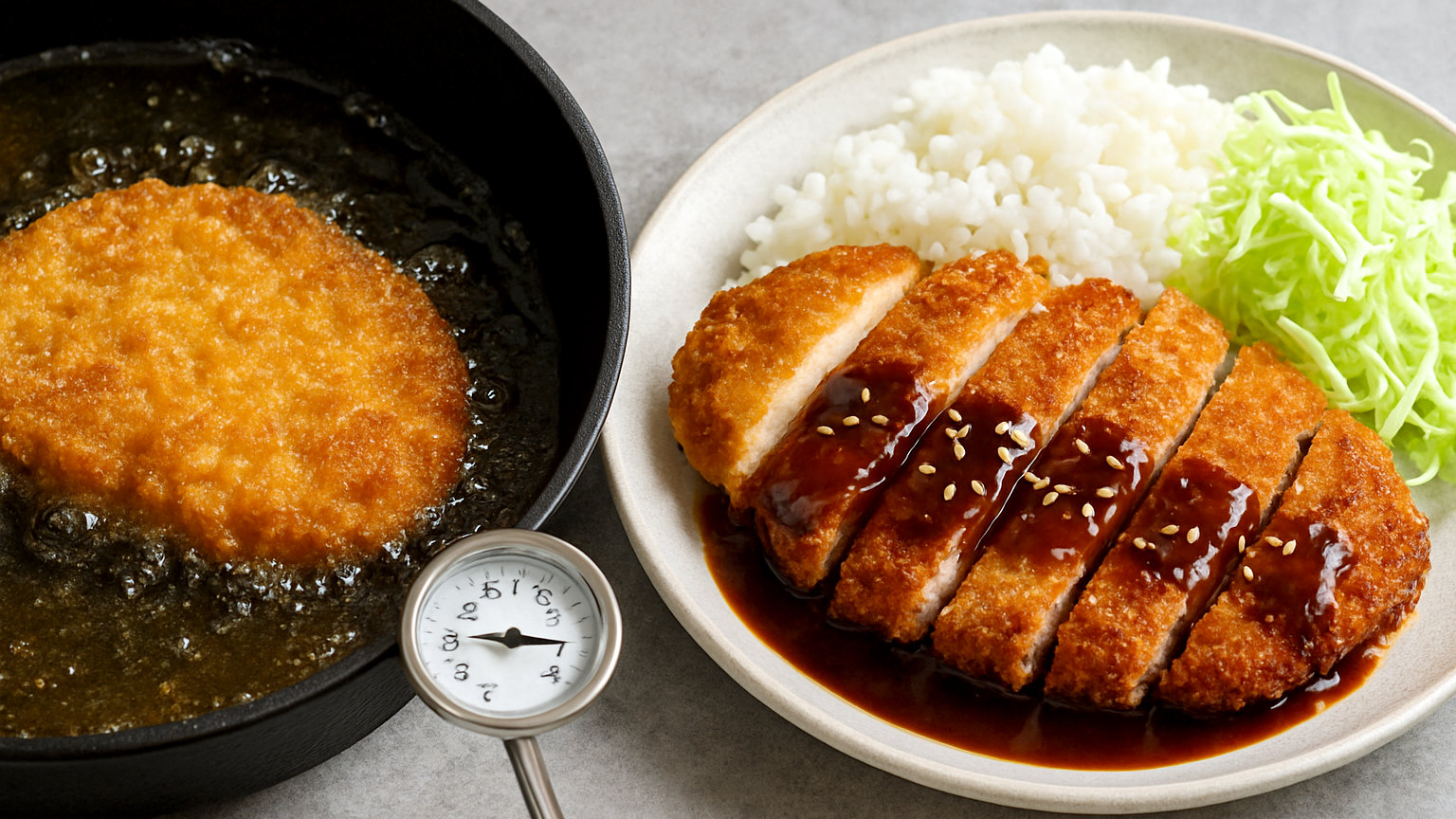
Butterfly the breast, beat it to an even thickness and fry at 170C. Almost everything that goes wrong with chicken katsu is one of those three.
Butterfly first, then beat from the centre outward through clingfilm. Pounding straight down on an unbutterflied breast tears the meat and never evens it.
A steady 170C. Ten degrees cooler and the crust absorbs oil; ten hotter and it darkens before the chicken is safe to eat.
Breast is standard and dries out easily. Thigh is more forgiving and tastes better, and it is what a good Japanese restaurant is more likely to use.
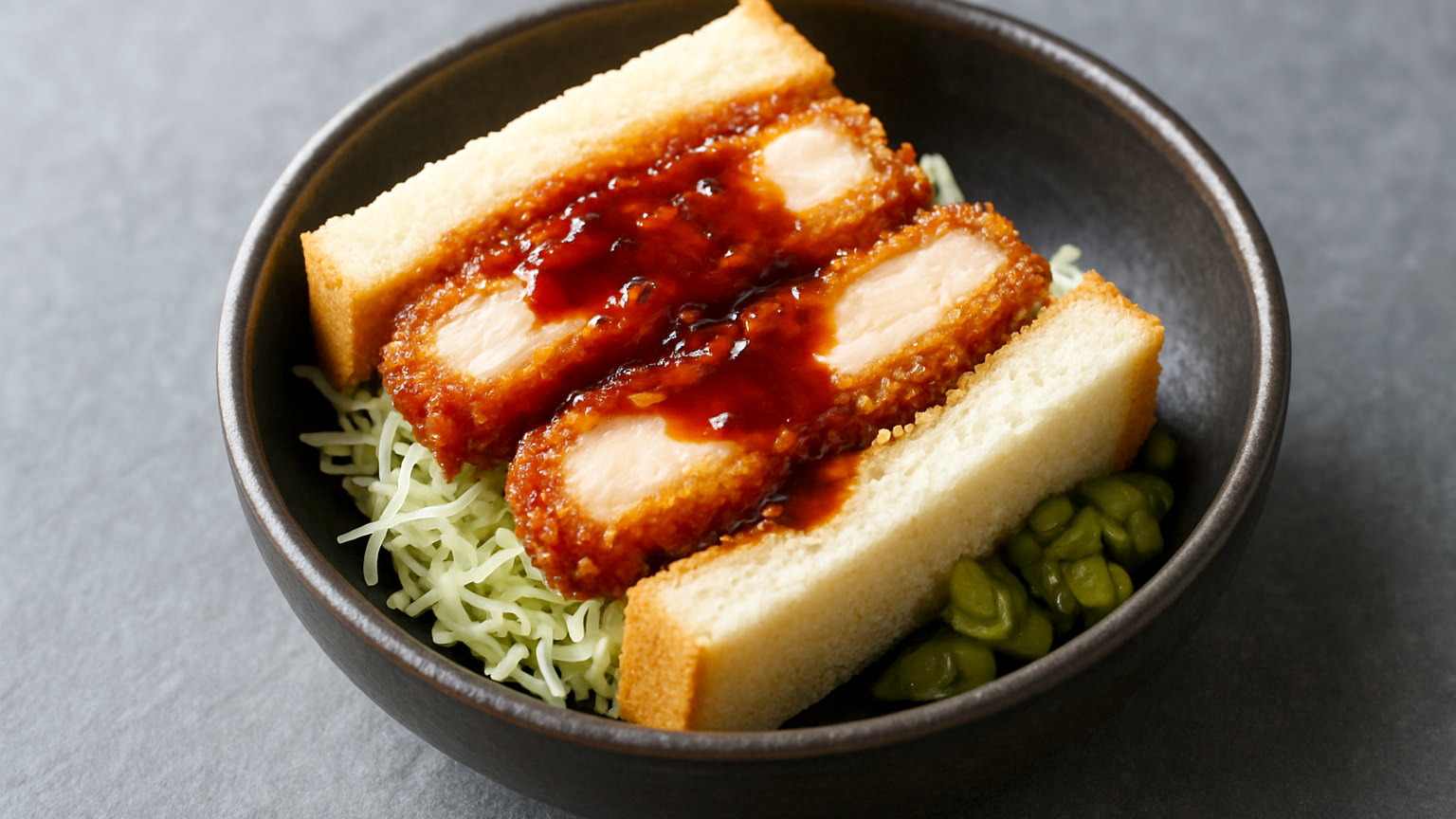
Thick soft white bread with the crusts cut off, plenty of tonkatsu sauce and a layer of shredded cabbage. It is a sandwich built for a fried cutlet.
Overcooked, beaten too thin, or breast used where thigh would have been forgiving. The margin on chicken breast is about ninety seconds wide.
A probe thermometer reading 74C in the centre. Crust colour is a reasonable guide at the right oil temperature and it is not a guarantee.
Fry everything in advance at a lower temperature, then crisp it all at once in very hot oil just before serving. It is the only way to plate eight at the same moment.
For breast it makes a measurable difference and takes thirty minutes. For thigh it is optional, and dry salting achieves much of the same with less faff.