How to Make Chicken Katsu Bites for Children
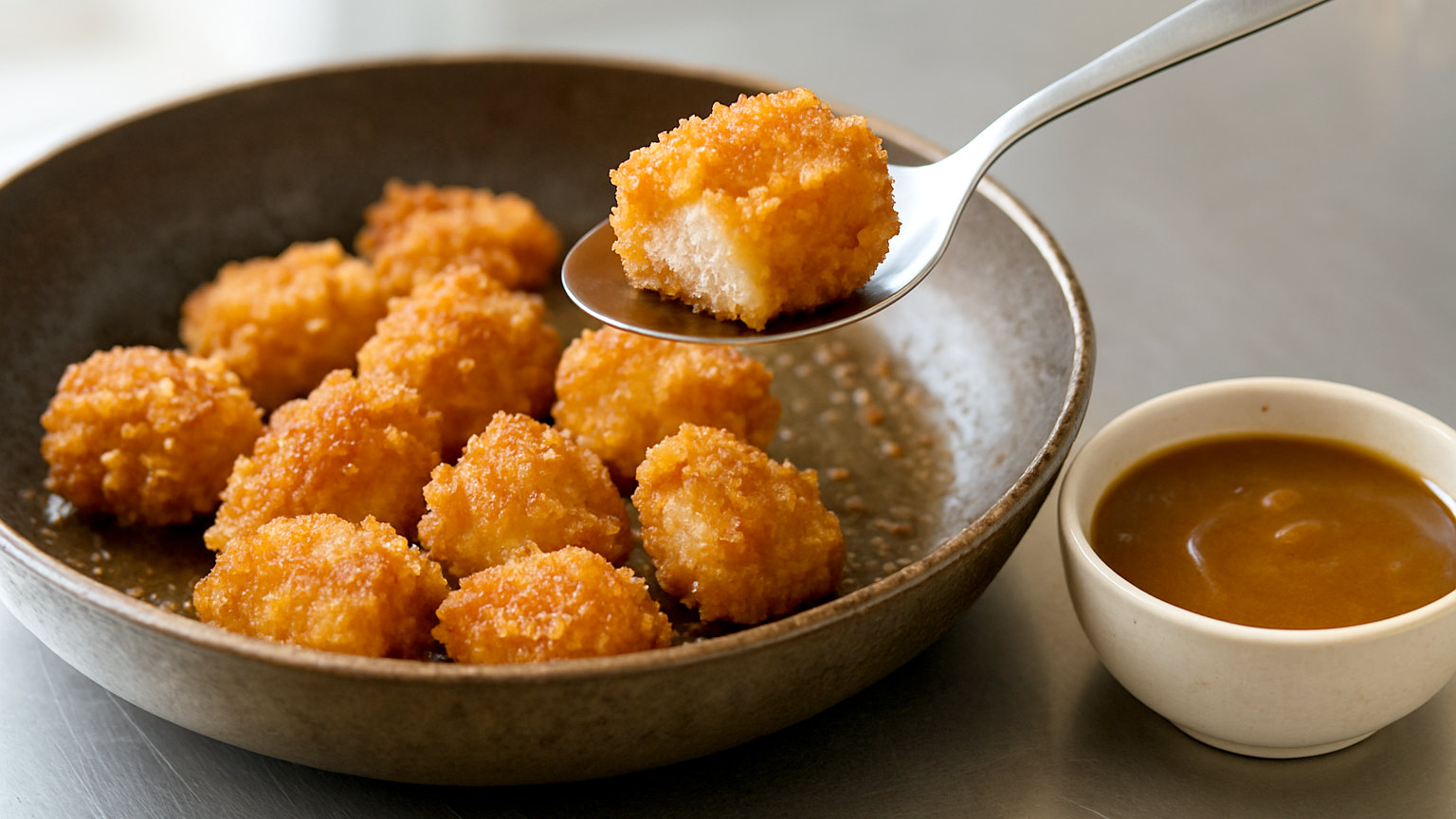
Small pieces cook in two minutes and there is no sauce on the crust at all. Serve the curry sauce in a separate pot for dipping.
By Curry Recipes Team
20 Jan 2026

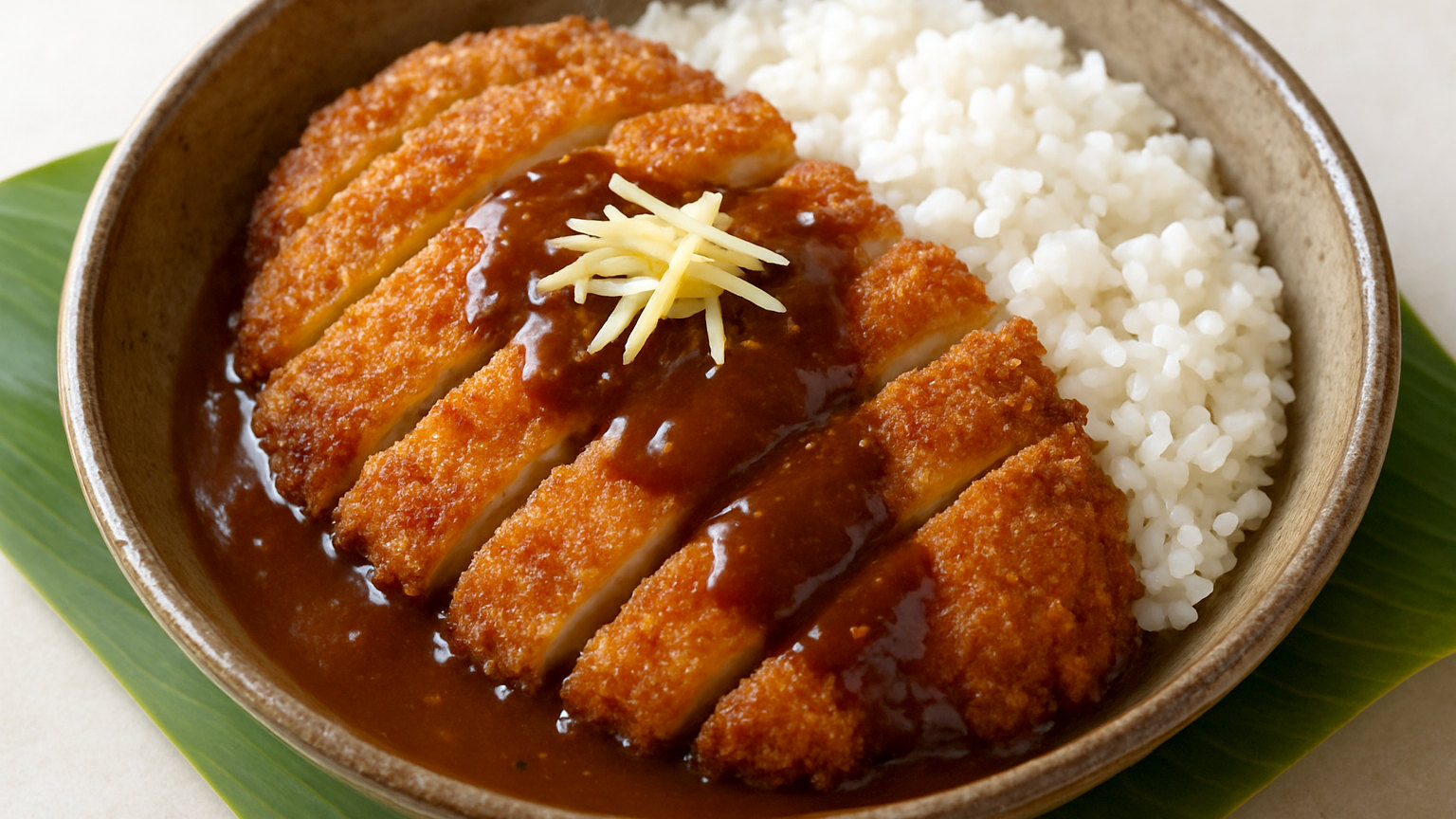
Japanese curry is the mildest and the most comforting of the three great curry traditions, and the one most often made from a shop-bought roux block. These recipes cover both routes: how to get the best out of a block if that is what is in the cupboard, and how to build the sauce from a proper flour-and-butter roux with curry powder, which takes twenty minutes and tastes considerably better. Katsu gets particular attention, because a crisp panko crust that stays crisp under sauce is mostly a matter of oil temperature and where you pour.
Small pieces cook in two minutes and there is no sauce on the crust at all. Serve the curry sauce in a separate pot for dipping.
Freeze it breaded and raw rather than cooked. Raw freezes perfectly and cooks straight from frozen; a fried cutlet never regains its crust.
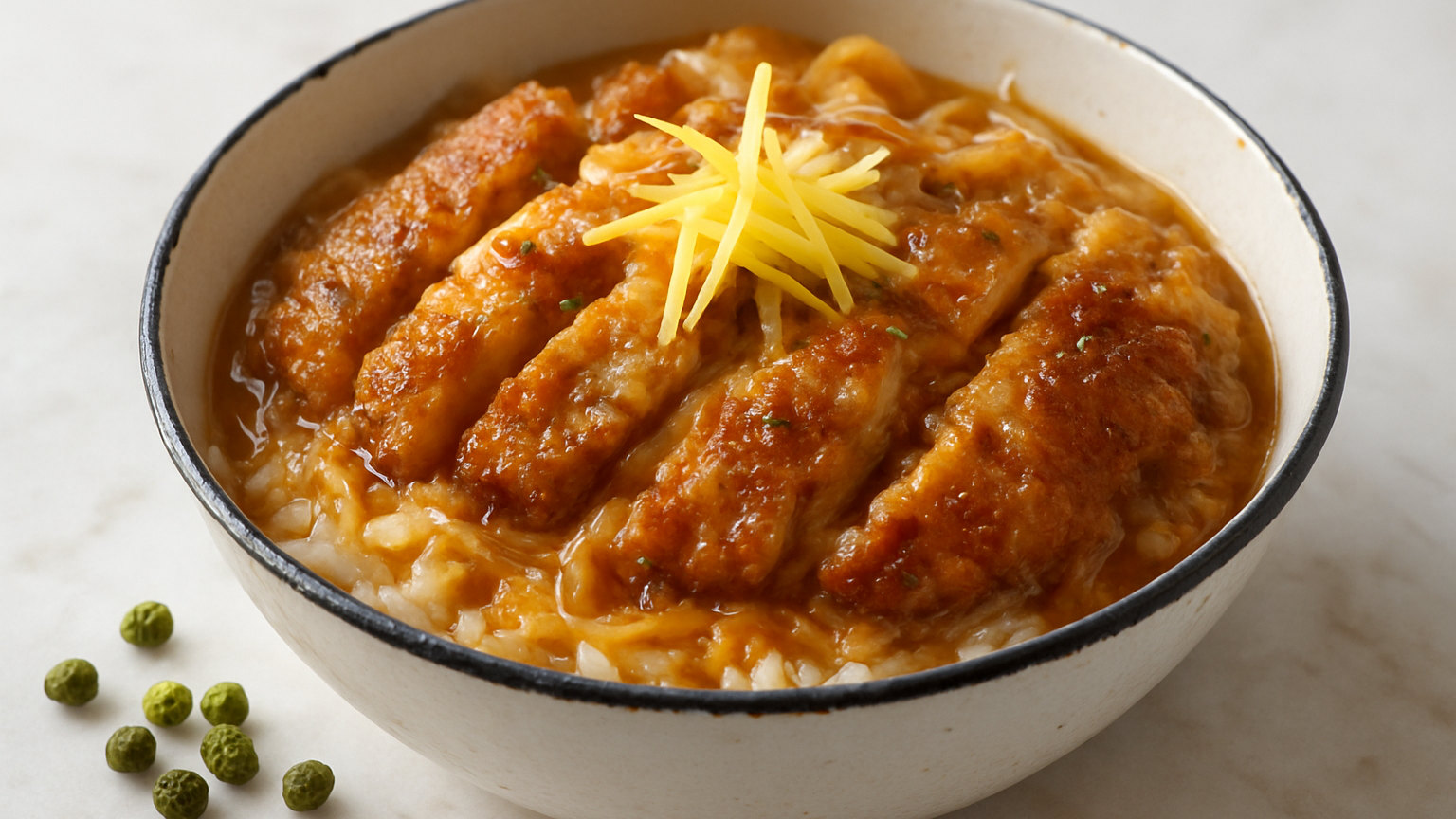
The cutlet simmered briefly with onion in a dashi broth and finished with barely set egg. It is the other great thing to do with a katsu, and it is not crisp by design.
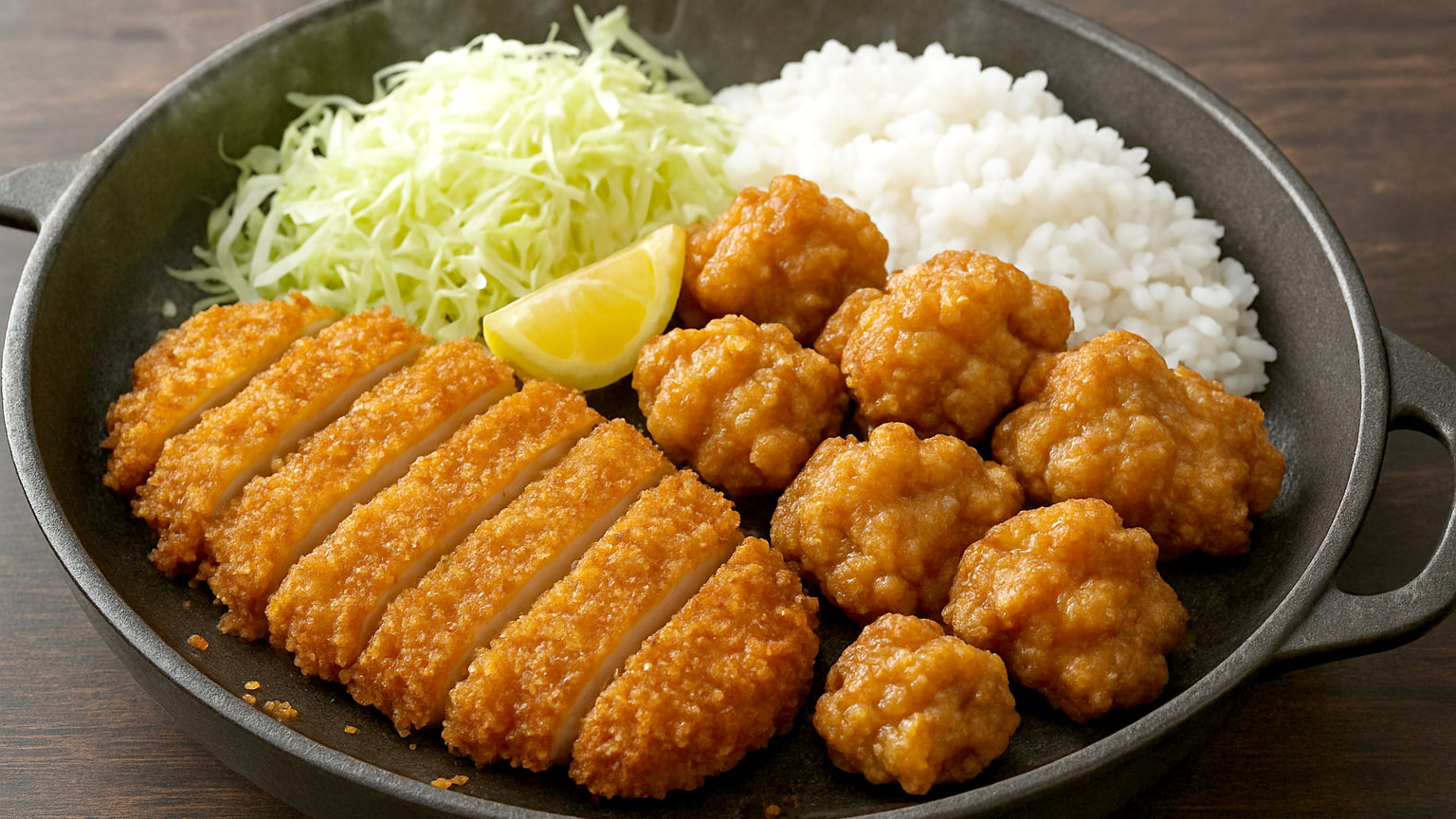
Katsu is a flat cutlet in panko, karaage is marinated chunks in potato starch. Different coating, different shape and a completely different texture.
Oil above 180C, or sugar somewhere it should not be. A dark crust over raw chicken is the most common frying failure and the easiest to prevent.
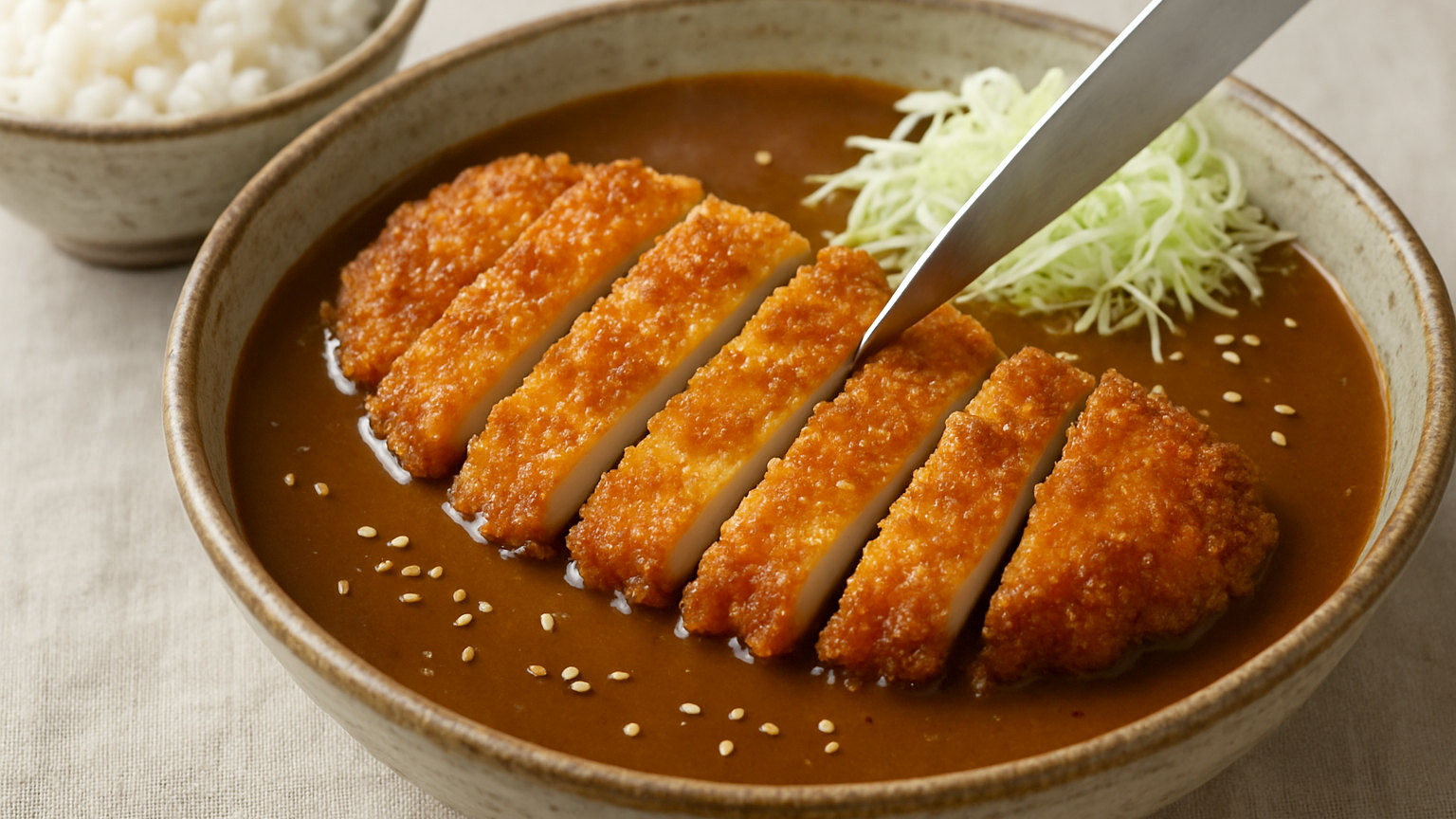
Across into 2cm strips, with a sharp knife, at the last possible moment. Slicing early is one of the quiet reasons a crust goes soft.
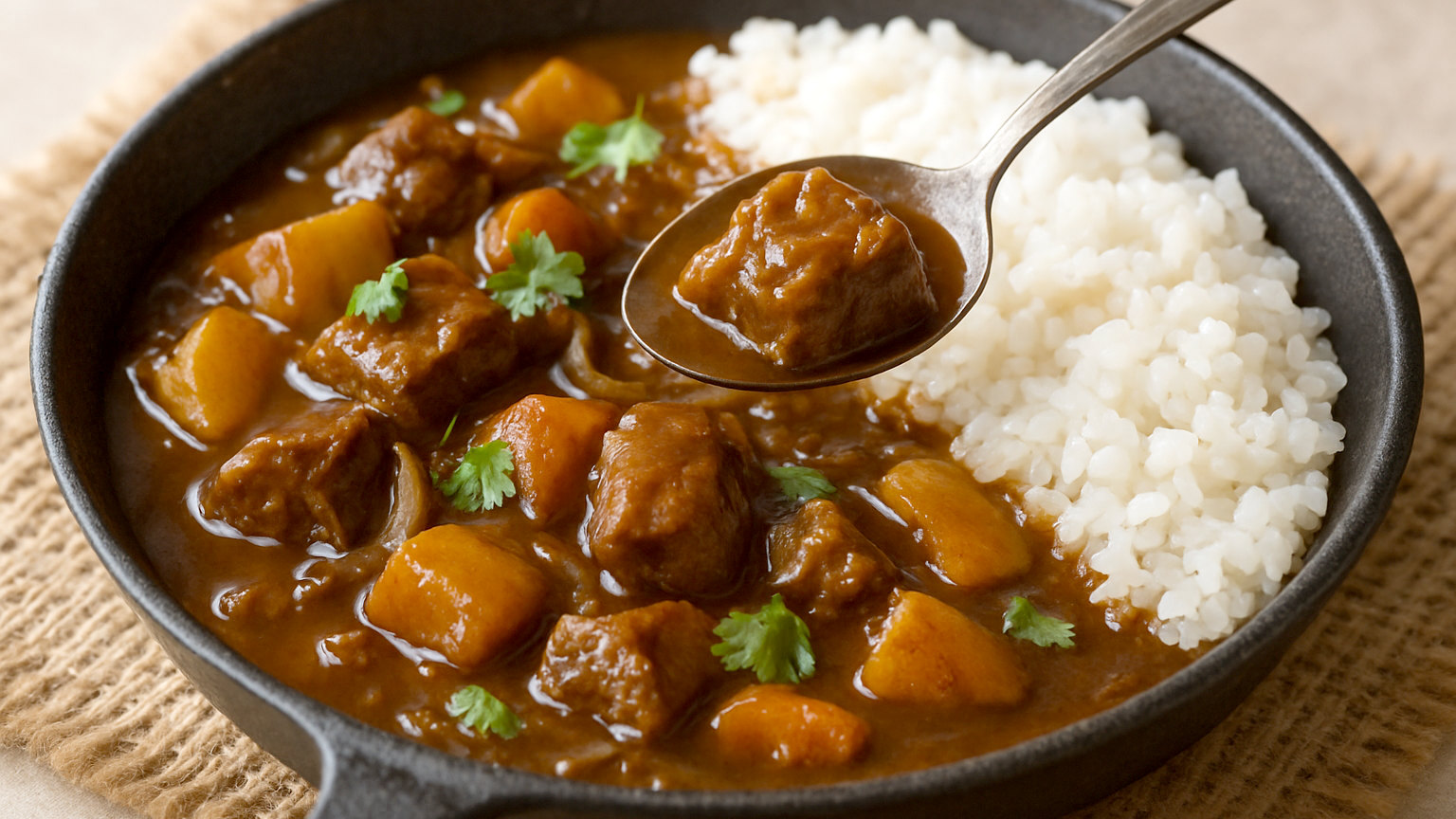
Two hours of gentle cooking, a dark roux and the apple and honey that round it off. It is closer to a rich beef stew than to anything Indian or Thai.
They supply the rounded sweetness that defines the dish, and the apple adds acidity alongside it. Neither is detectable as itself in the finished sauce.
Shin above everything else, then chuck and brisket. The sauce depends on gelatine from connective tissue, so a lean cut leaves it thin however long you cook it.
Ninety minutes for the beef, then thirty-five more with the vegetables. Checking at an hour and finding it tough is normal rather than a problem.
It suits the dish well, provided the roux is made in a pan first and the potatoes go in for the last ninety minutes only.
The roux was not taken far enough. Colour in a Japanese curry comes from browning flour and butter, not from the curry powder or from anything added later.