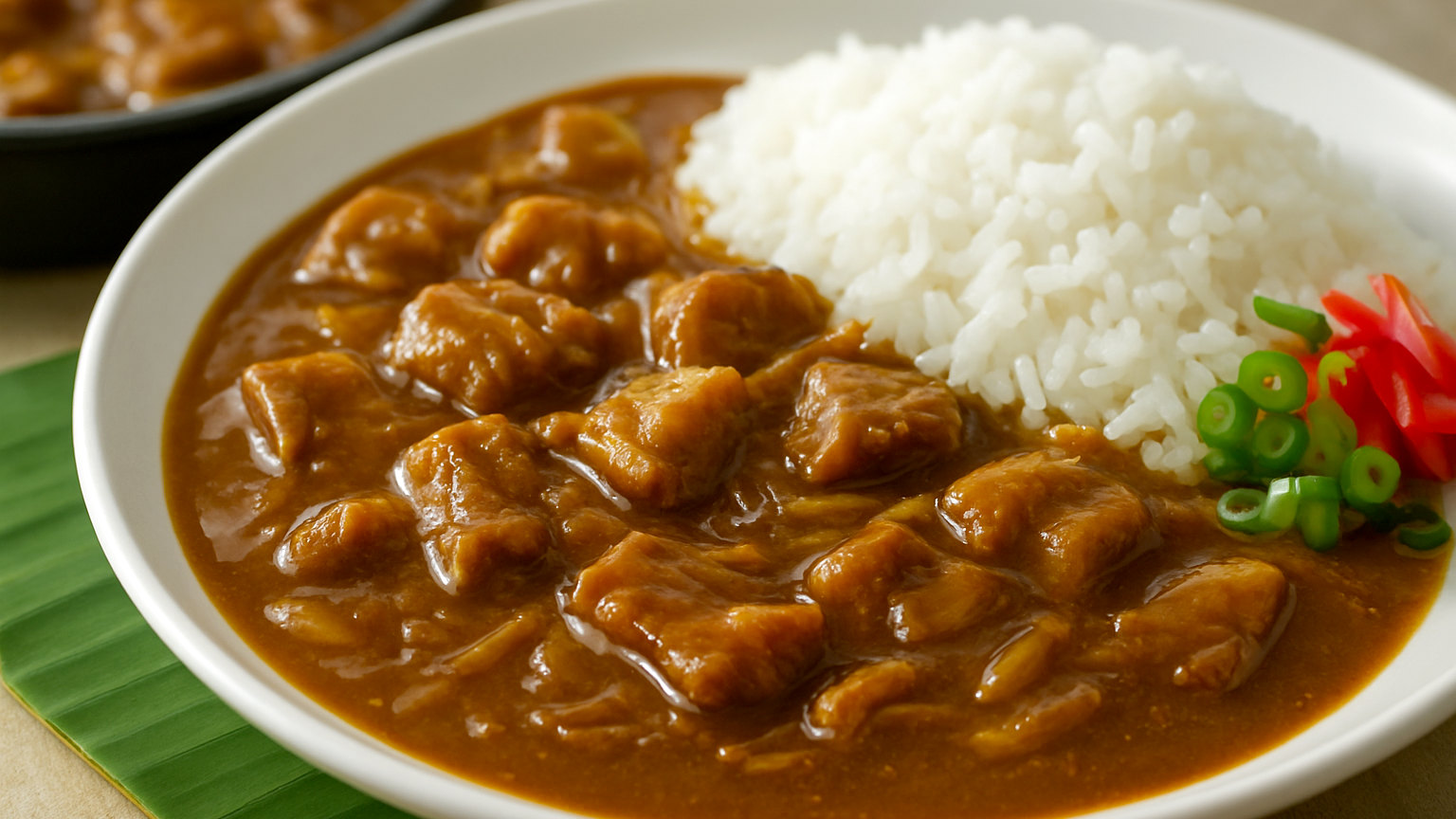
How to Make Buta Kakuni
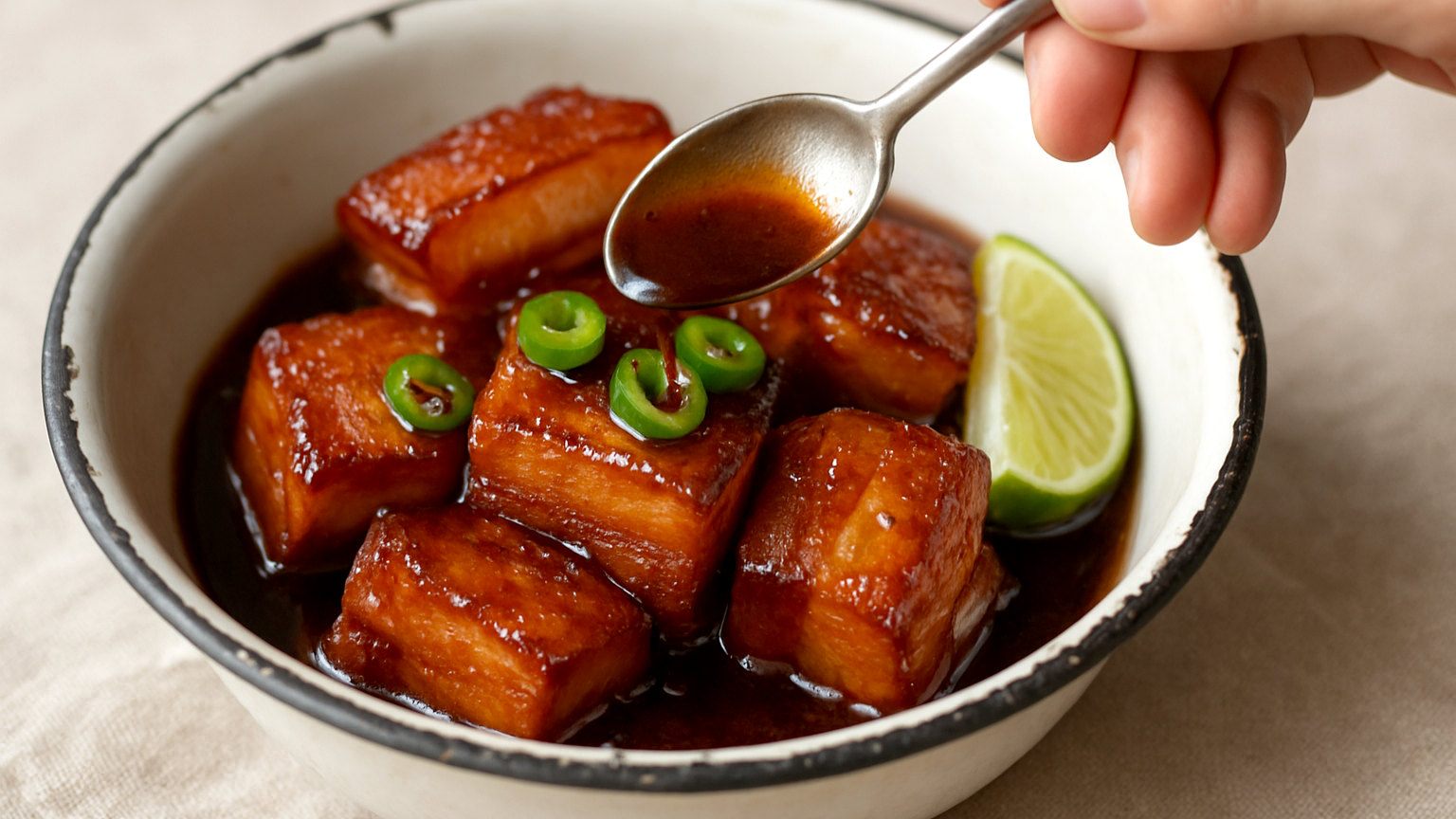
Braised pork belly in soy, sake, mirin and sugar, and the dish that teaches you what Japanese cooking does with fat. It is not a curry and it belongs here.
By Curry Recipes Team
27 Dec 2025

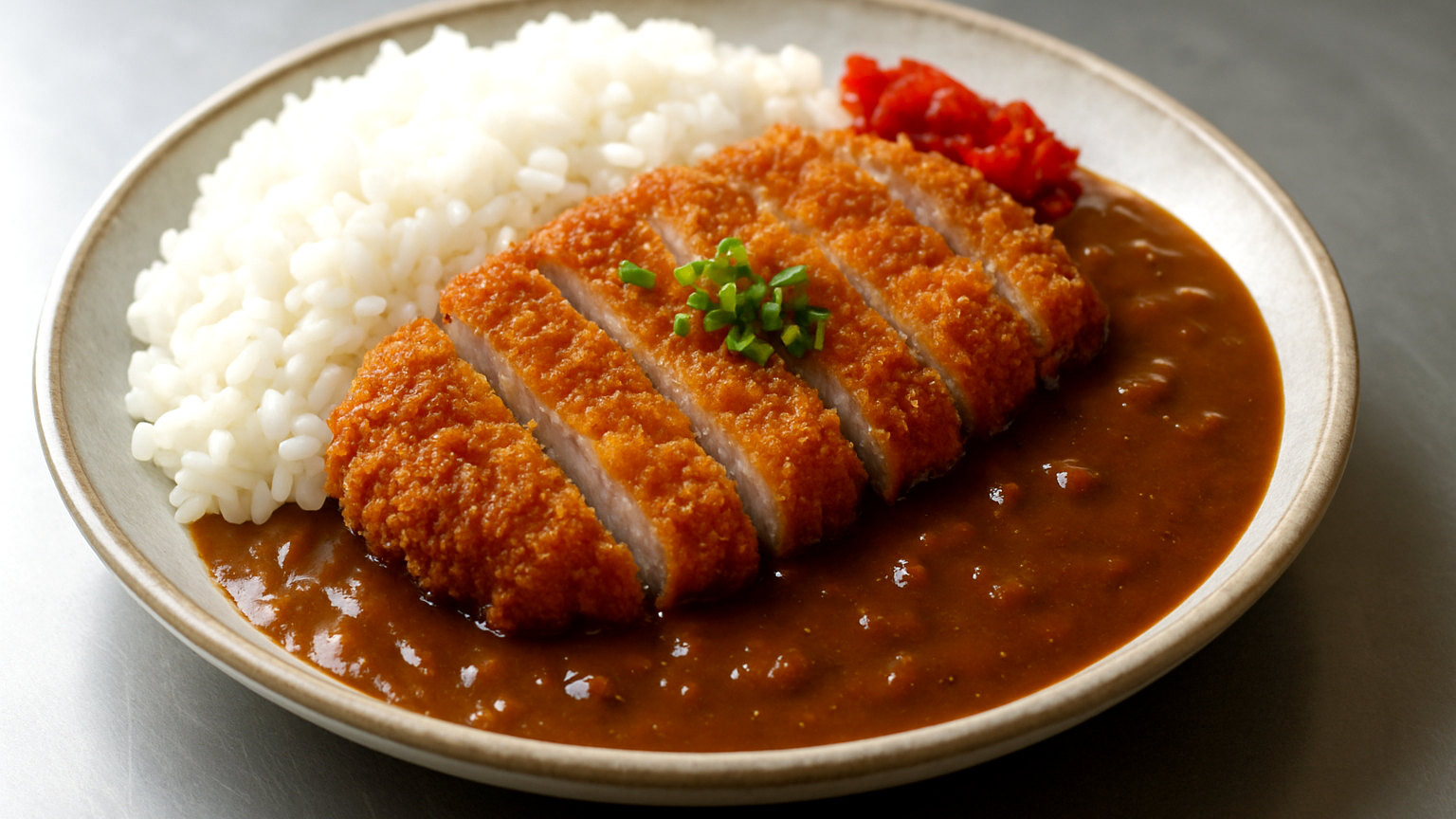
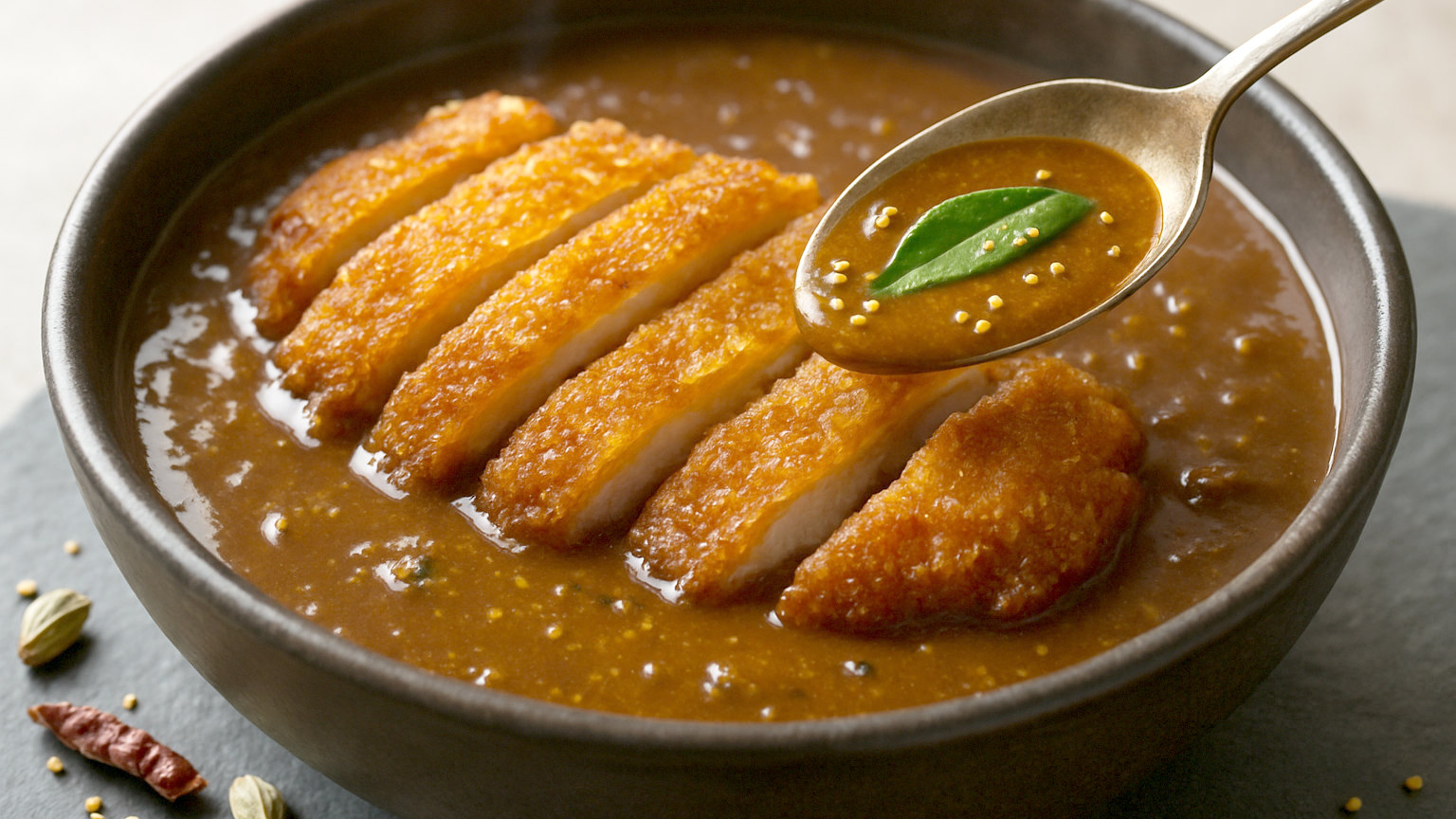
Japanese curry is the mildest and the most comforting of the three great curry traditions, and the one most often made from a shop-bought roux block. These recipes cover both routes: how to get the best out of a block if that is what is in the cupboard, and how to build the sauce from a proper flour-and-butter roux with curry powder, which takes twenty minutes and tastes considerably better. Katsu gets particular attention, because a crisp panko crust that stays crisp under sauce is mostly a matter of oil temperature and where you pour.
Braised pork belly in soy, sake, mirin and sugar, and the dish that teaches you what Japanese cooking does with fat. It is not a curry and it belongs here.
The fat was never rendered out, or it was and nobody skimmed it. Both are fixable, and the second one is easiest the next day.
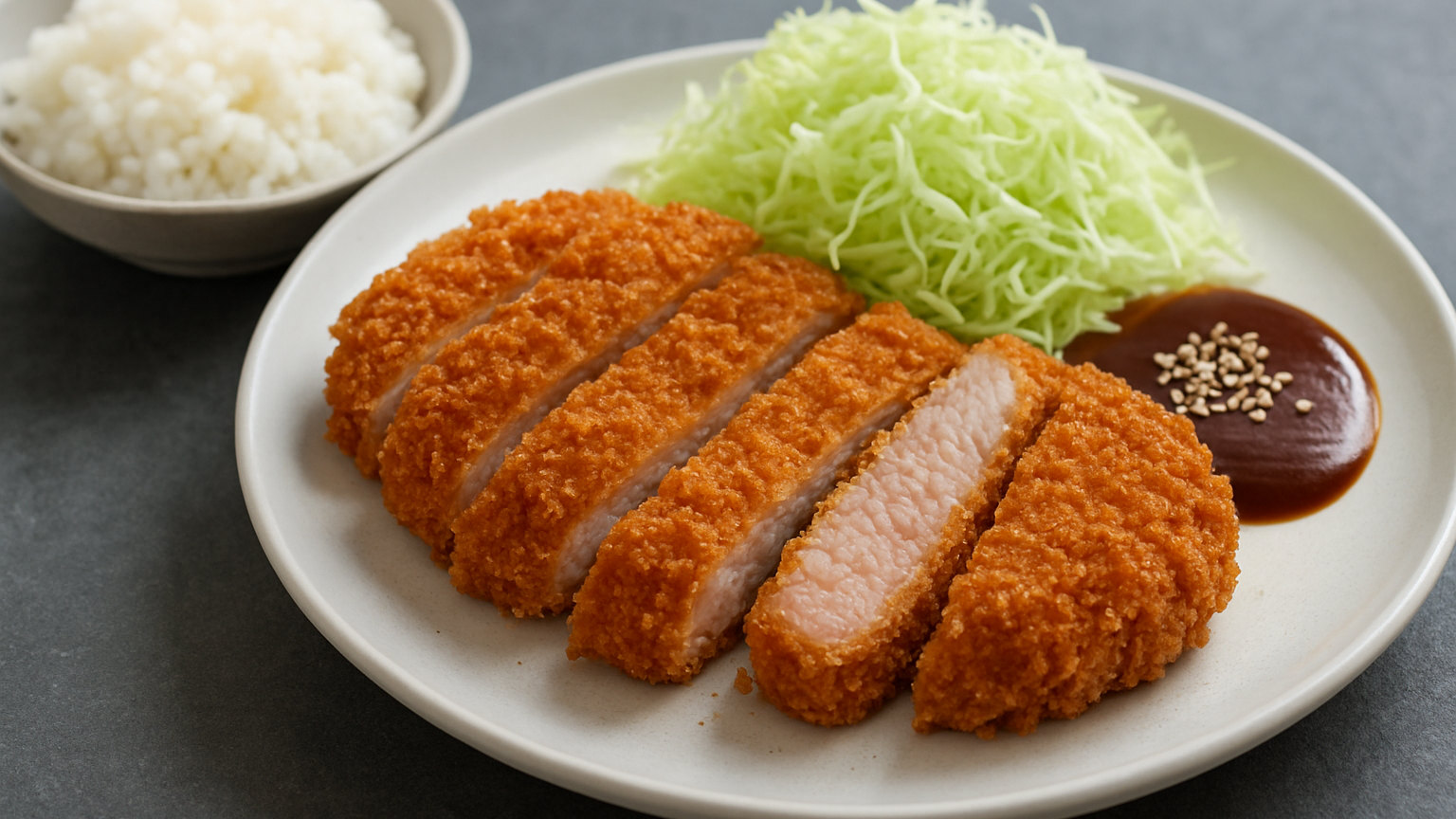
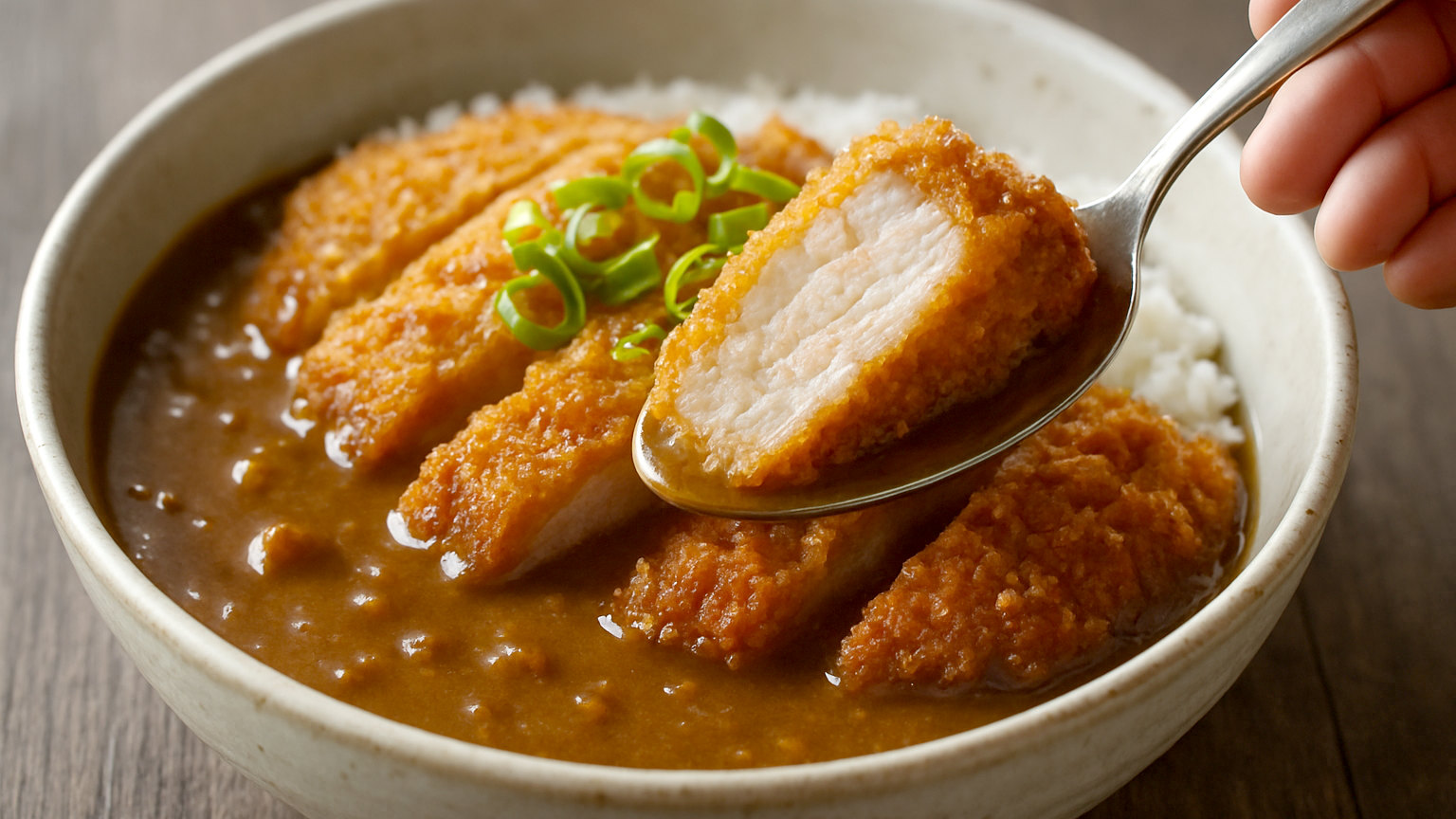
The premium tonkatsu, made with fillet rather than loin. Leaner, more tender, and cut into thick medallions rather than one flat cutlet.
Loin has more flavour from its fat, fillet is more tender and costs more. Japanese tonkatsu restaurants list both and regulars have firm opinions.
Thirty minutes rather than two hours, and it wants browning hard rather than stirring. A weeknight version that keeps the character of the dish.
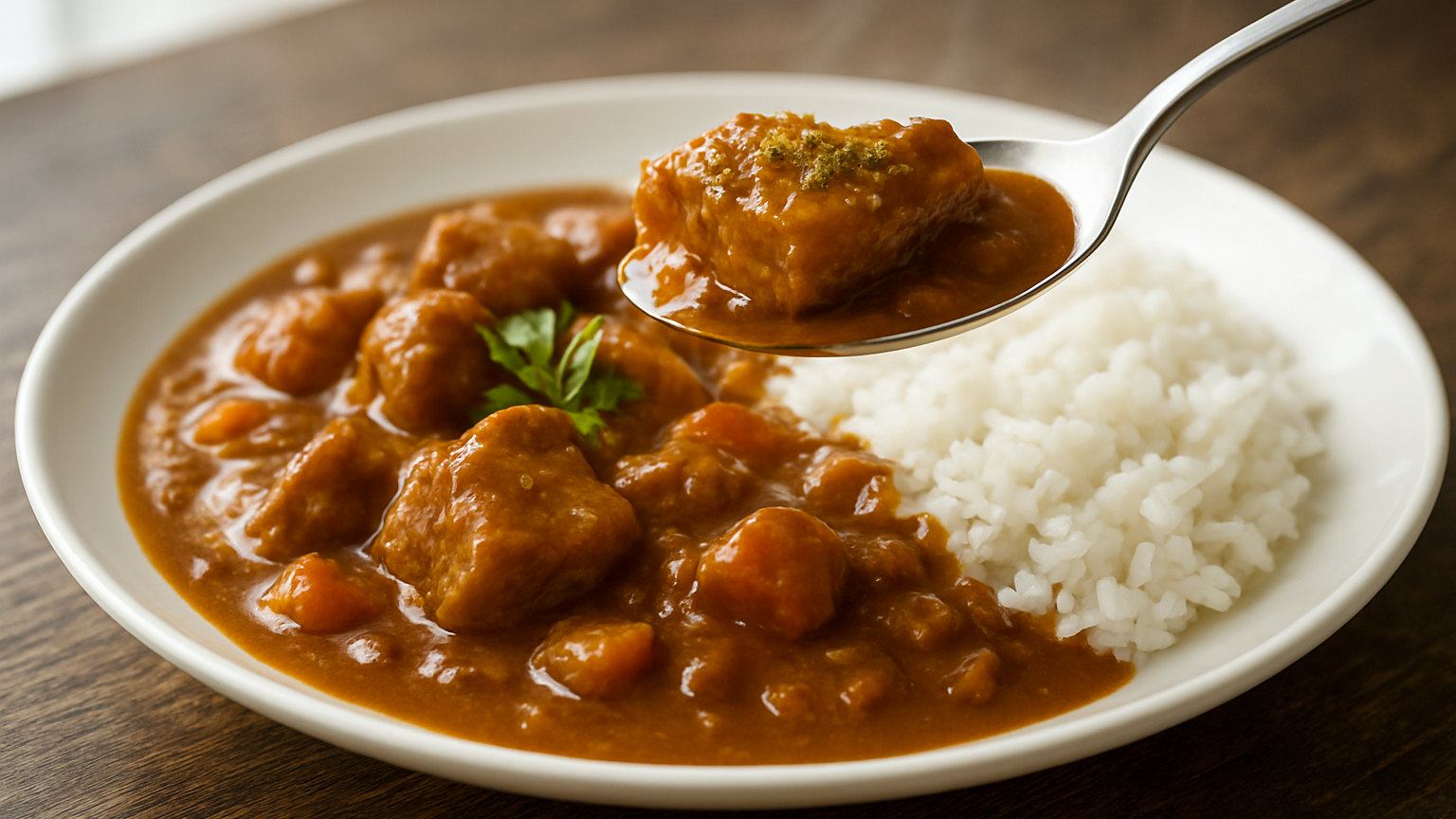
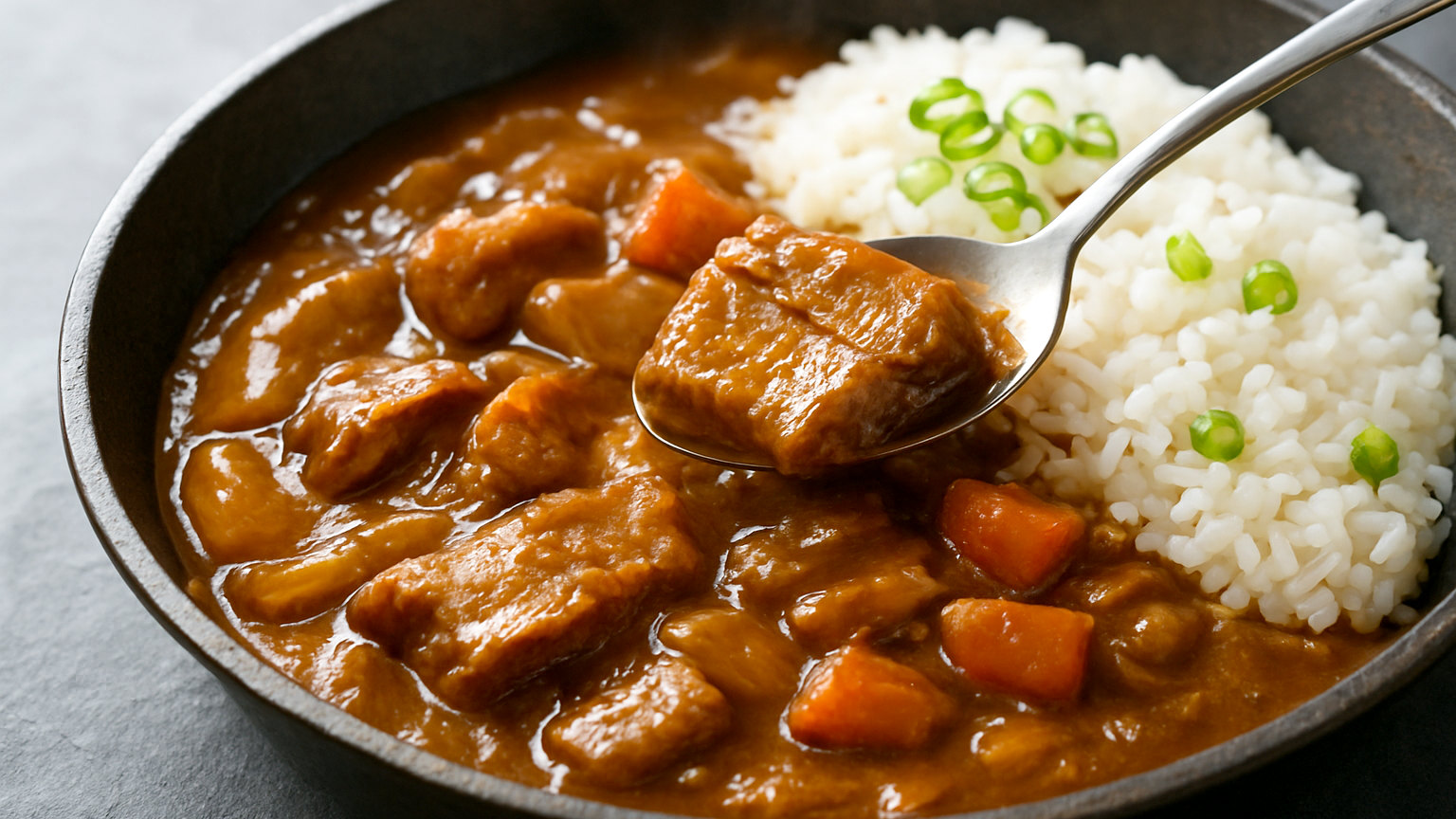
Slightly less, and the difference is smaller than people assume. Pork shoulder is tender at ninety minutes where beef shin often wants a full two hours.
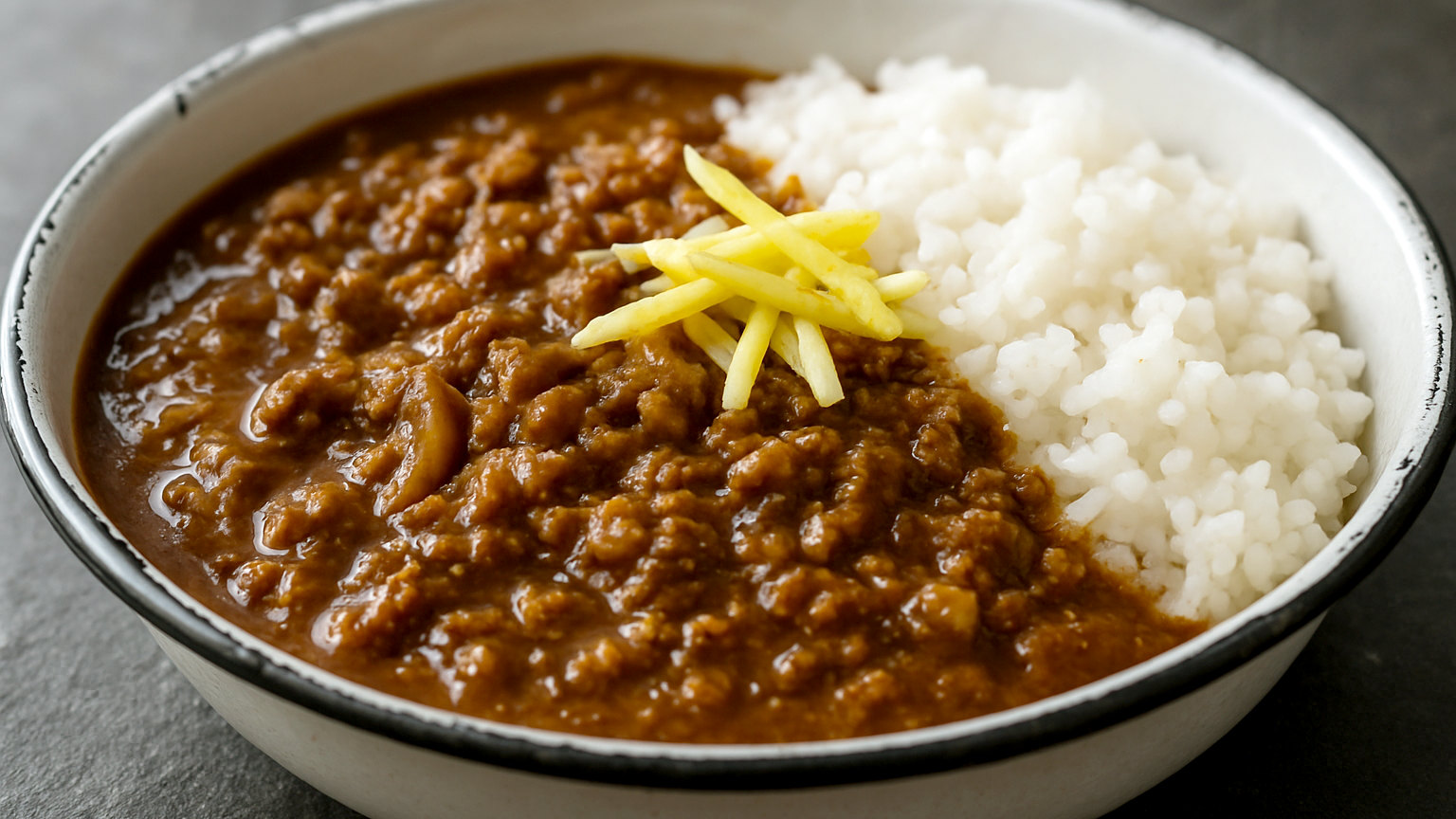
Ginger and pork is the standard Japanese pairing, and sake tenderises while adding depth. A sharper, more distinctly Japanese pork curry.
Because meat eating was restricted for over a thousand years and pork arrived with the Western dishes that ended the ban. It is a recent enthusiasm.
One of the better uses for a Sunday joint. Build the sauce properly, then add the cooked pork for the last ten minutes only.
For a braise it achieves very little. For a cutlet it is worth thirty minutes, and a miso marinade does more than anything else.
The sauce is thick enough to hold vegetables in suspension, which is both the appeal and the difficulty. Add them in order rather than all at once.
Dense ones with low water content. Kabocha, sweet potato, carrot and waxy potato survive a thick sauce; courgette and broccoli do not.