Why Is Curry Udon Better Than the Original?
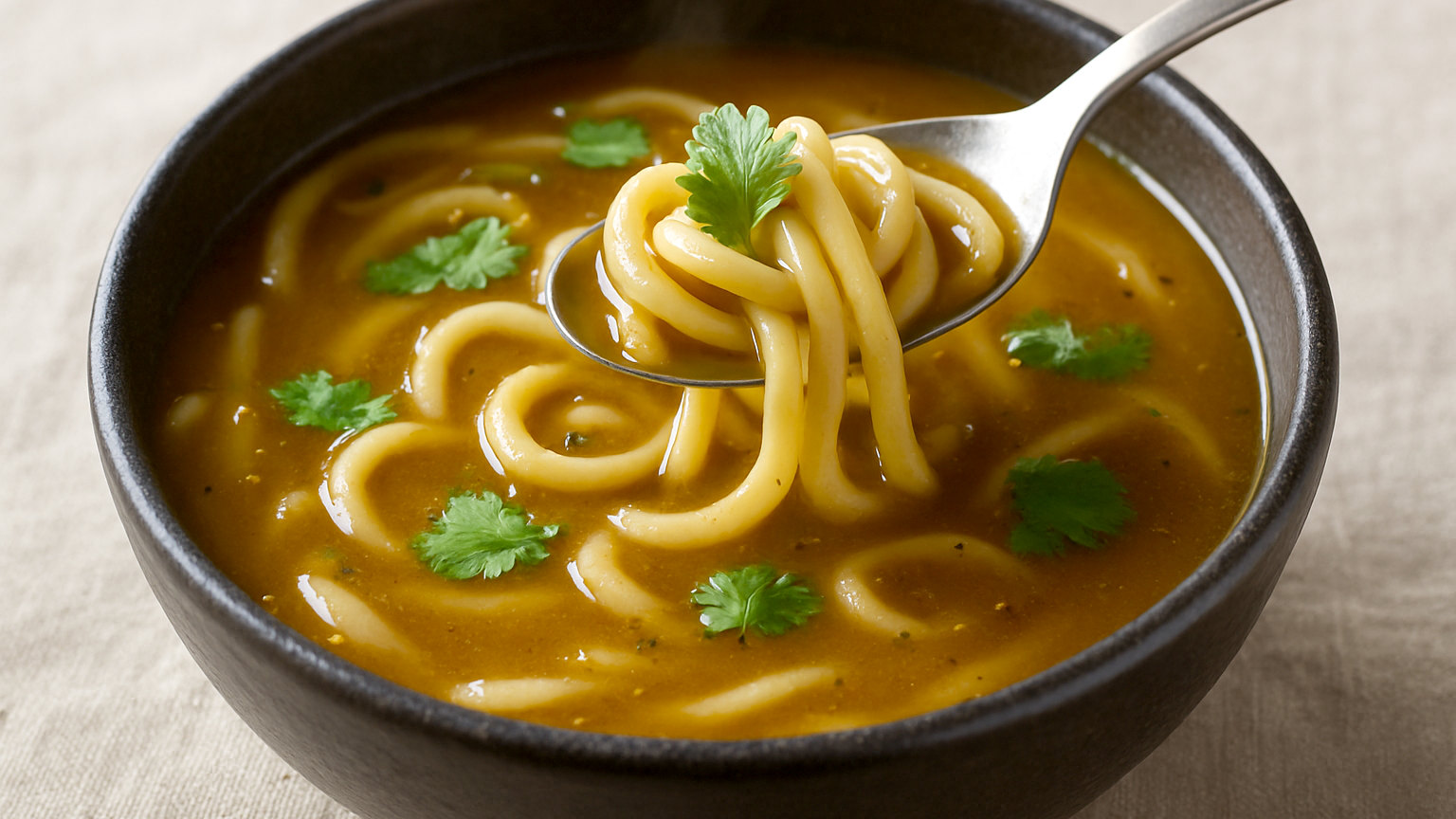
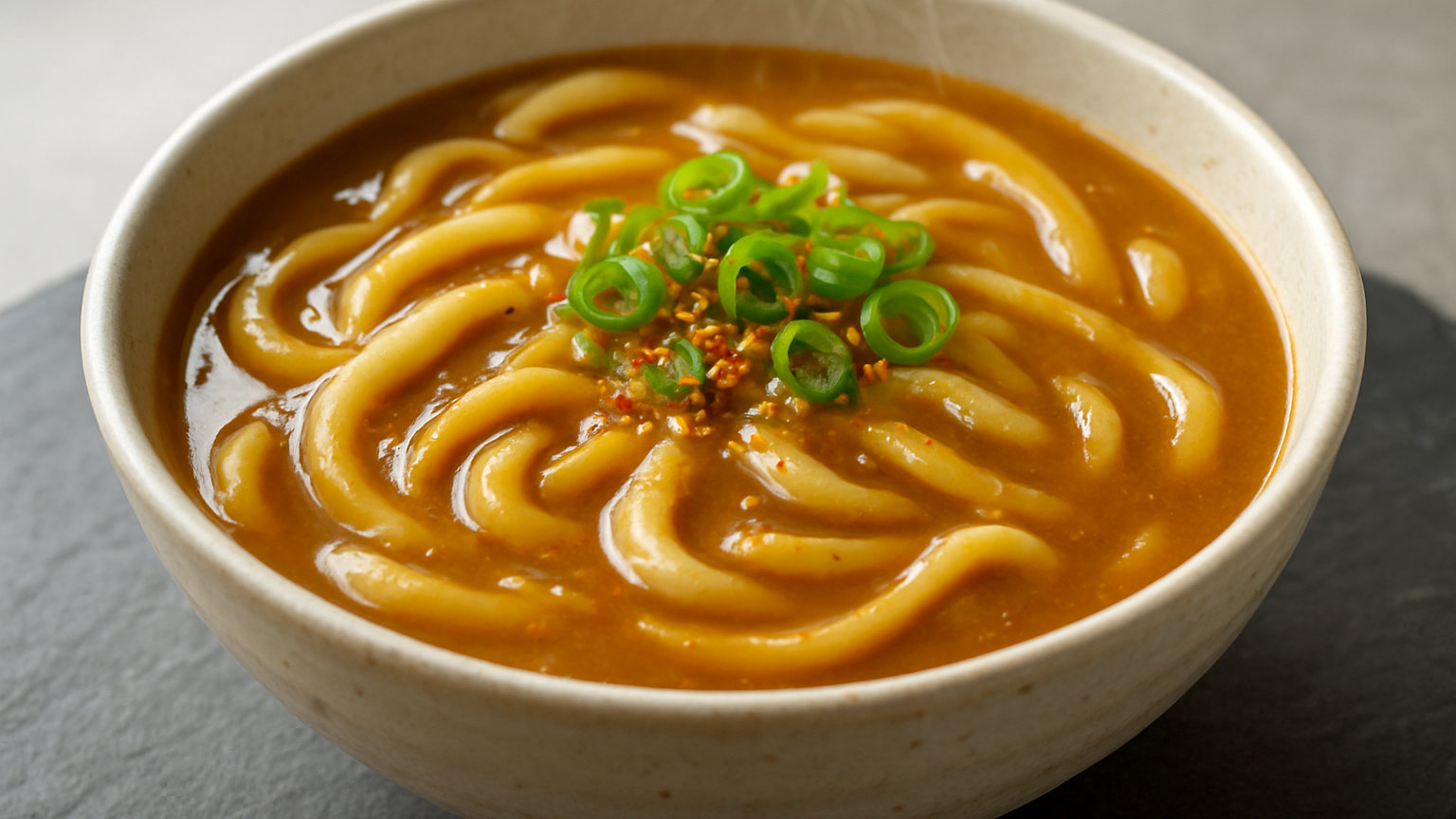
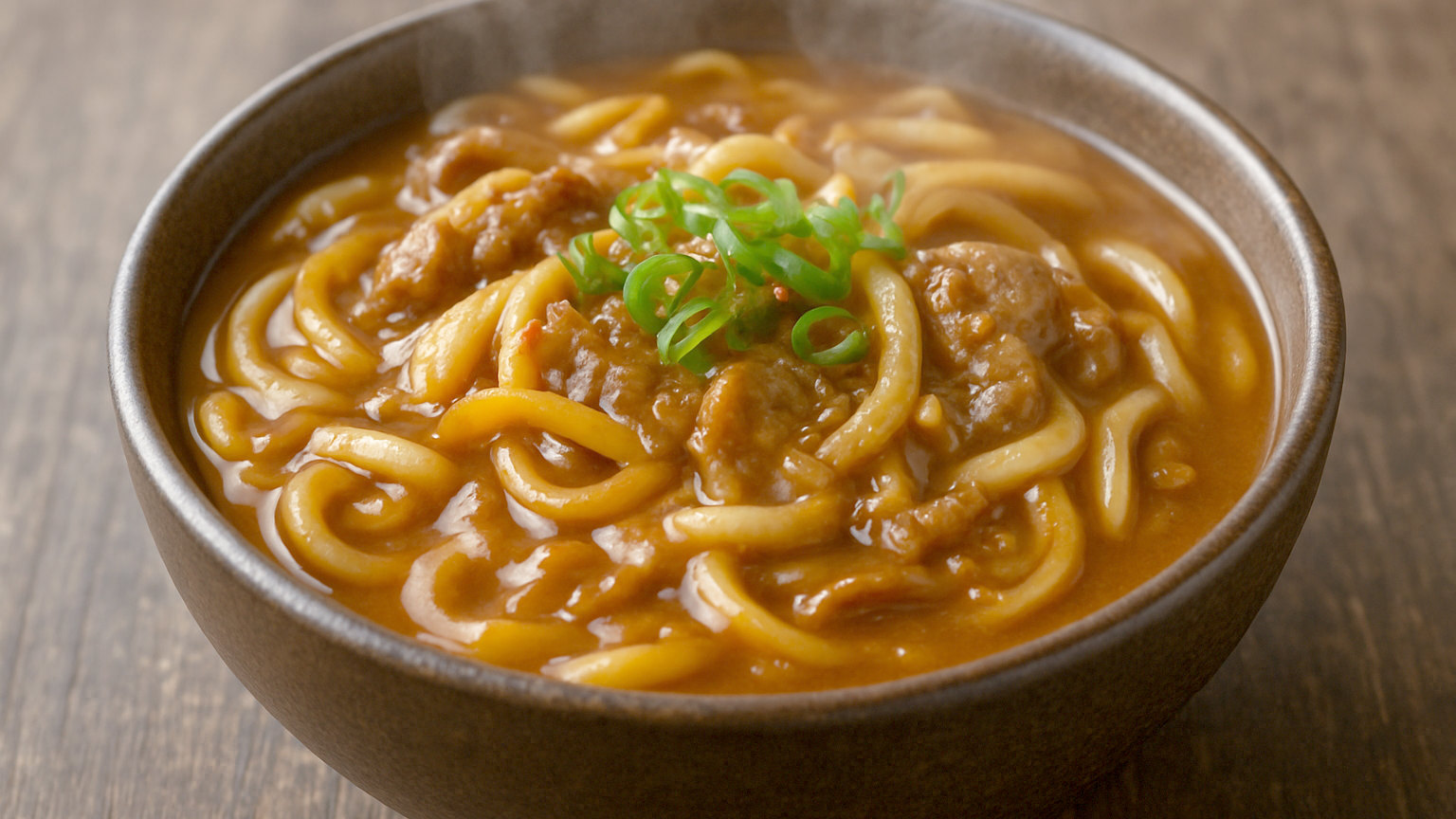
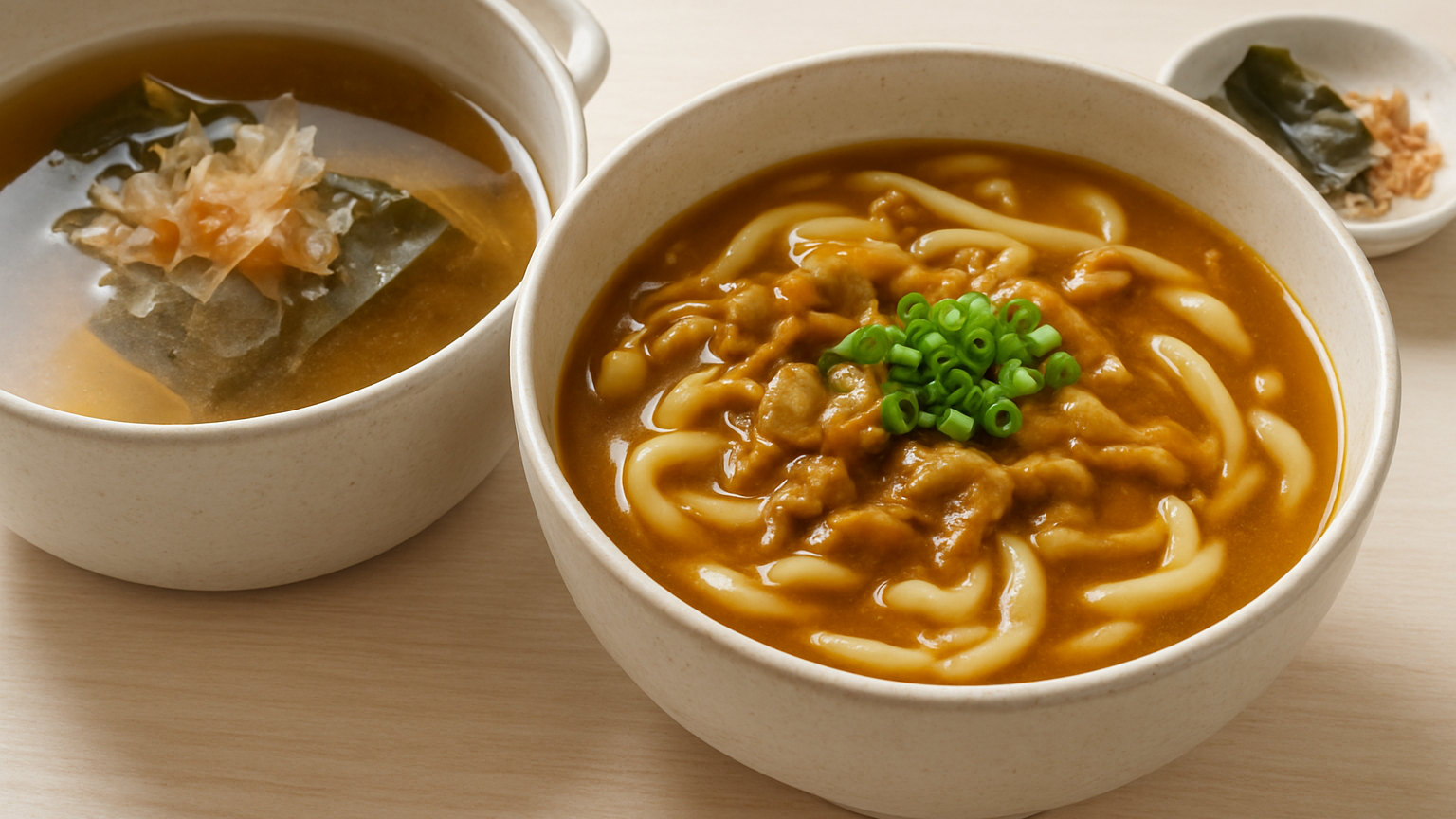
Because dashi adds a savoury dimension the curry never had, and the noodles carry broth better than rice carries sauce. It is a genuine improvement.
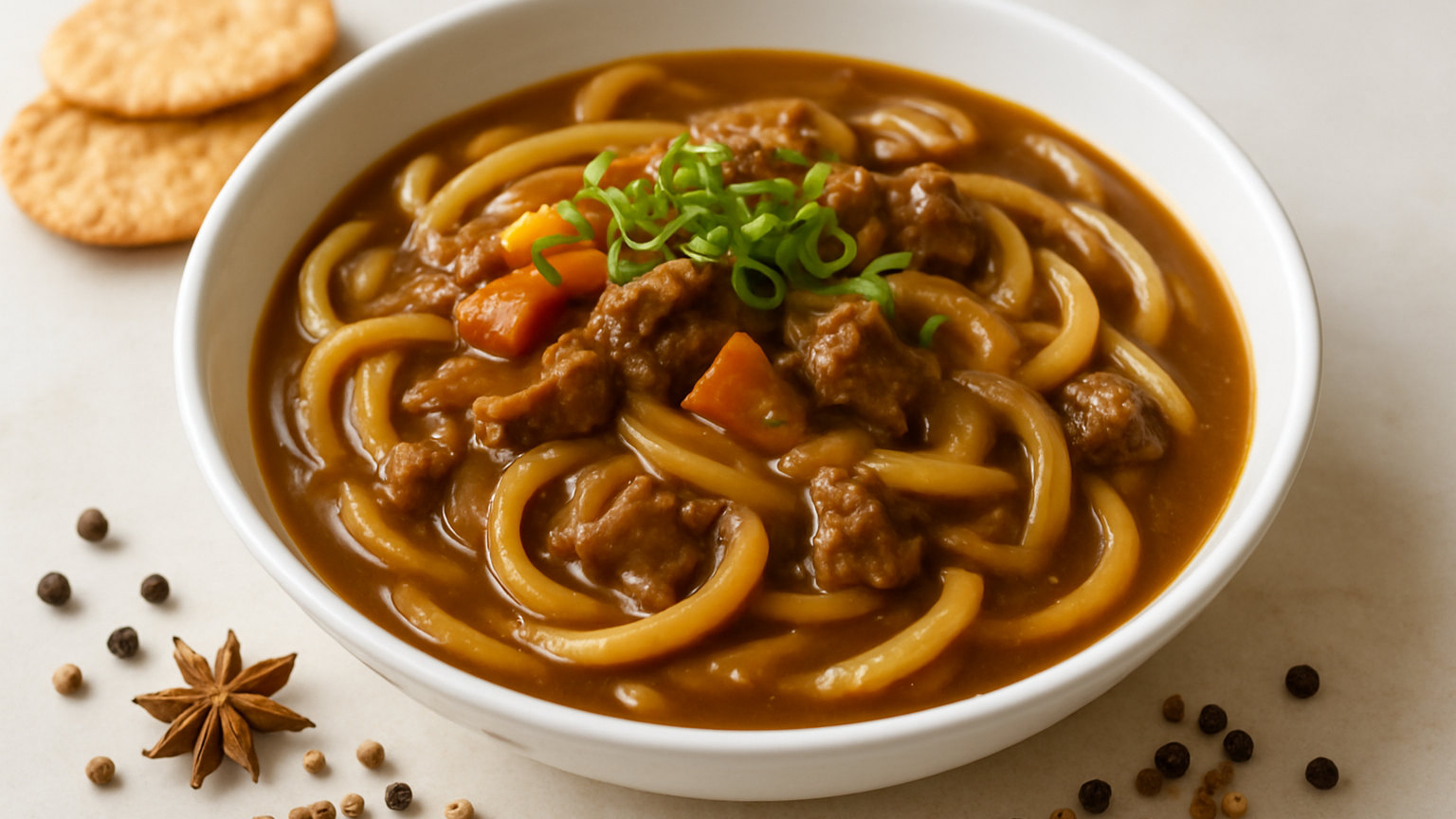
Japanese curry is the mildest and the most comforting of the three great curry traditions, and the one most often made from a shop-bought roux block. These recipes cover both routes: how to get the best out of a block if that is what is in the cupboard, and how to build the sauce from a proper flour-and-butter roux with curry powder, which takes twenty minutes and tastes considerably better. Katsu gets particular attention, because a crisp panko crust that stays crisp under sauce is mostly a matter of oil temperature and where you pour.
Because dashi adds a savoury dimension the curry never had, and the noodles carry broth better than rice carries sauce. It is a genuine improvement.
Roughly equal parts to start, then adjust. The target is a broth you could drink, not a sauce clinging to the noodles.
Frozen are the best by a wide margin and cook in two minutes. Dried are the worst and the most widely available, which is unfortunate.
Twenty-five minutes with a roux and dashi, and it is a dish in its own right rather than a way of using leftovers.
Kombu and bonito flakes steeped briefly in hot water. It takes fifteen minutes, and the instant powder is what most Japanese households actually use.
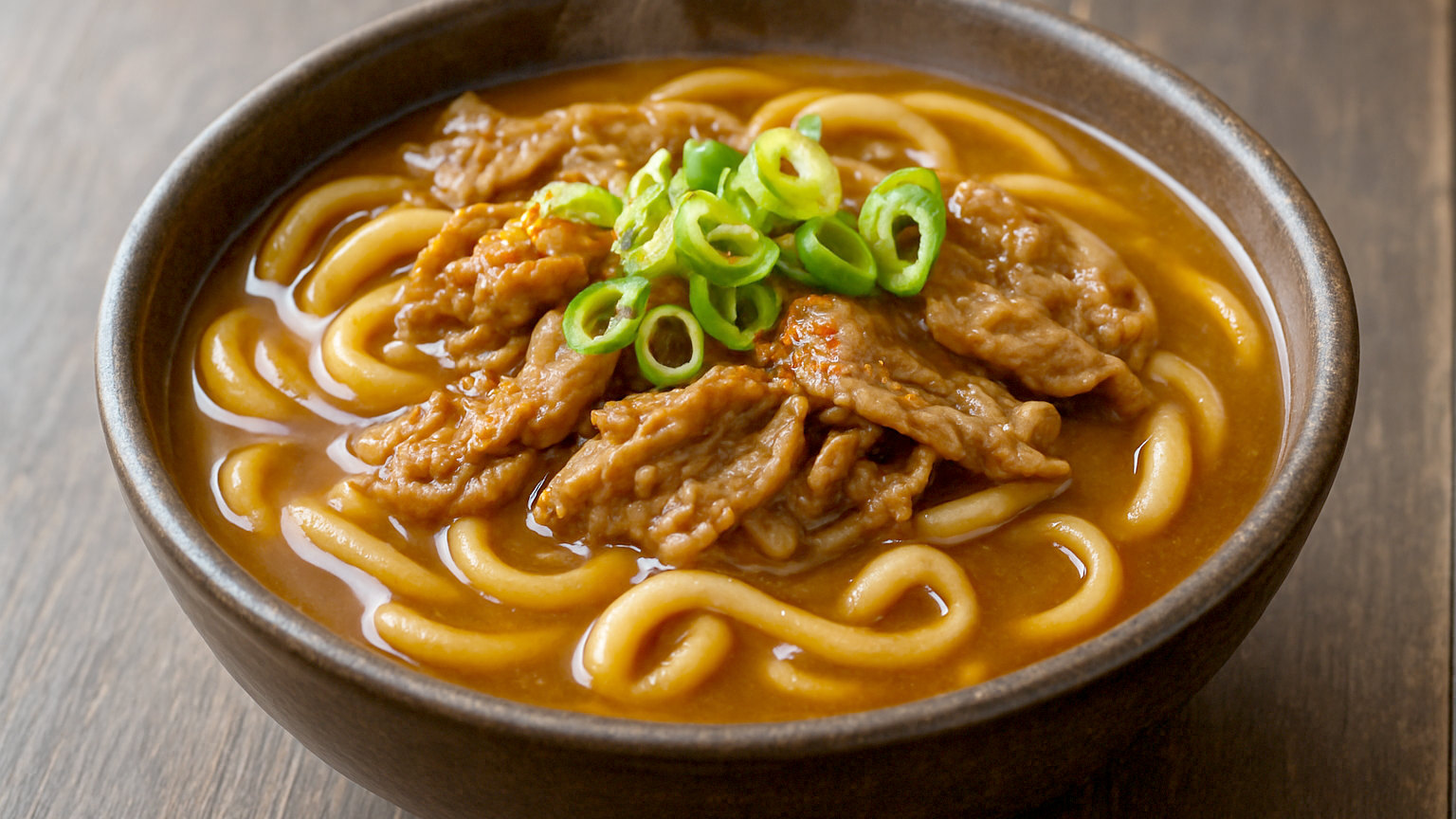
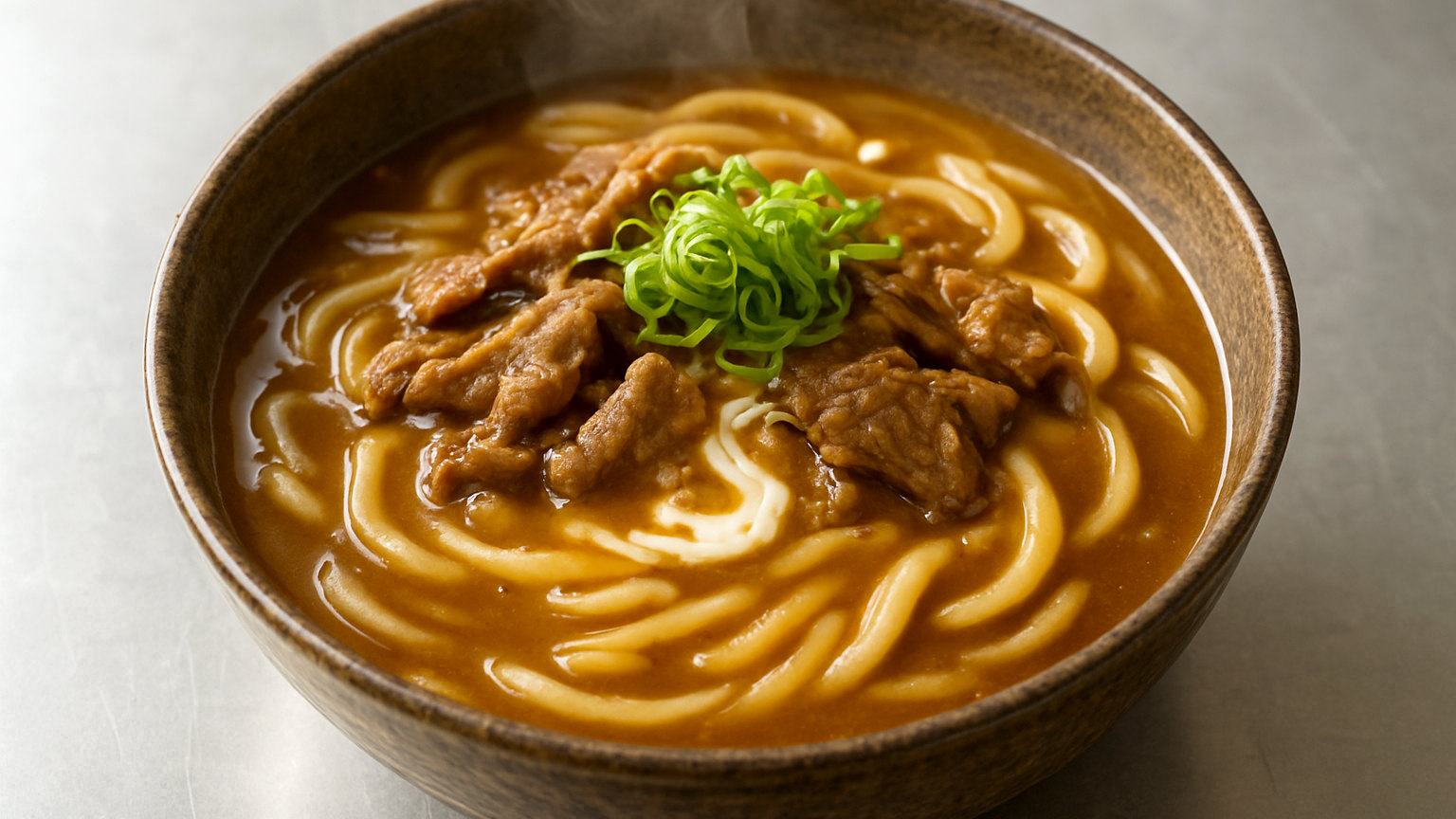
Thinly sliced beef cooked in the broth for two minutes, which is how the noodle shops do it. Nothing needs braising.
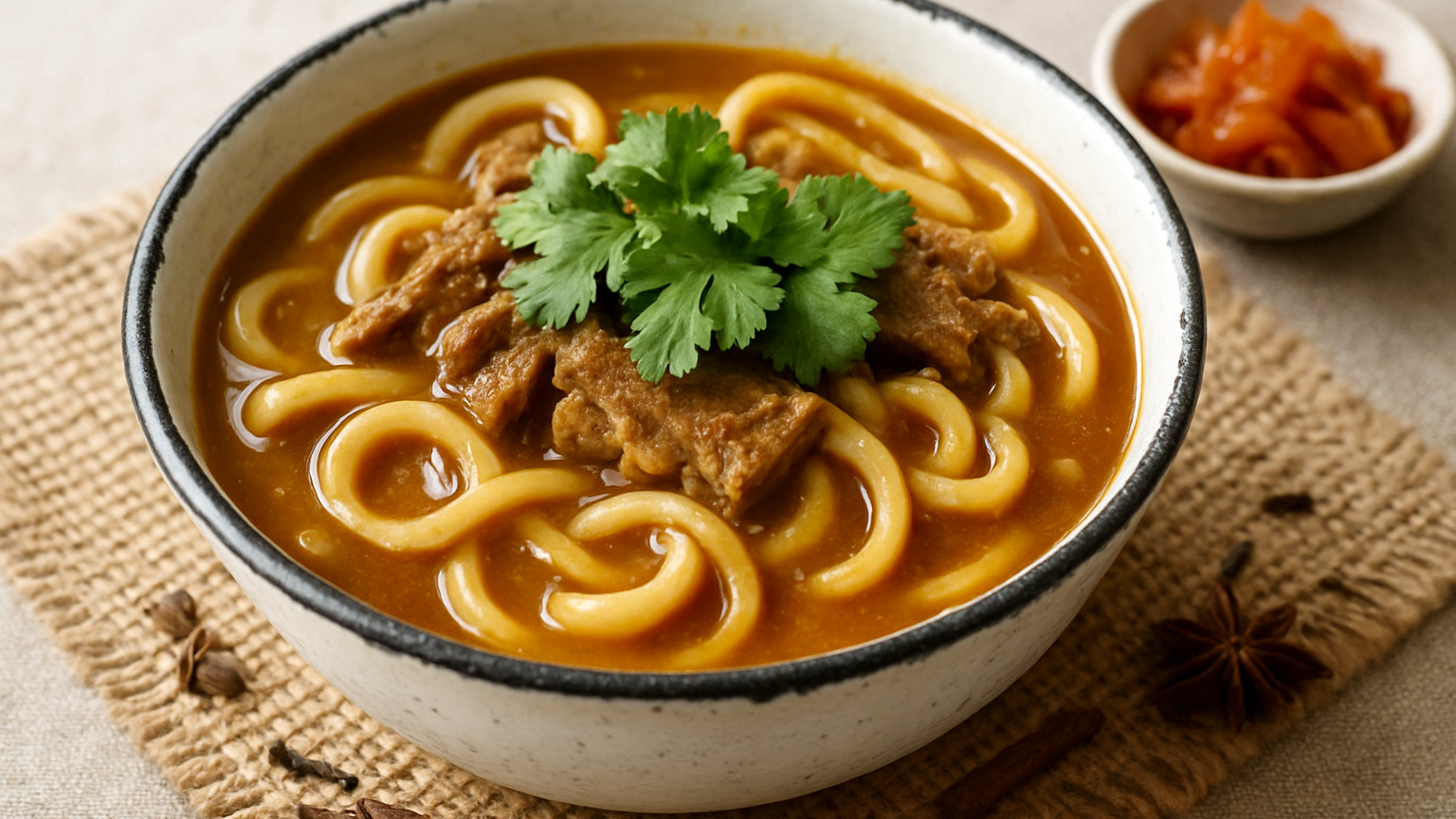
Thick slippery noodles in a thin coloured broth, eaten by slurping. Japanese restaurants hand out paper bibs, which tells you how serious the problem is.
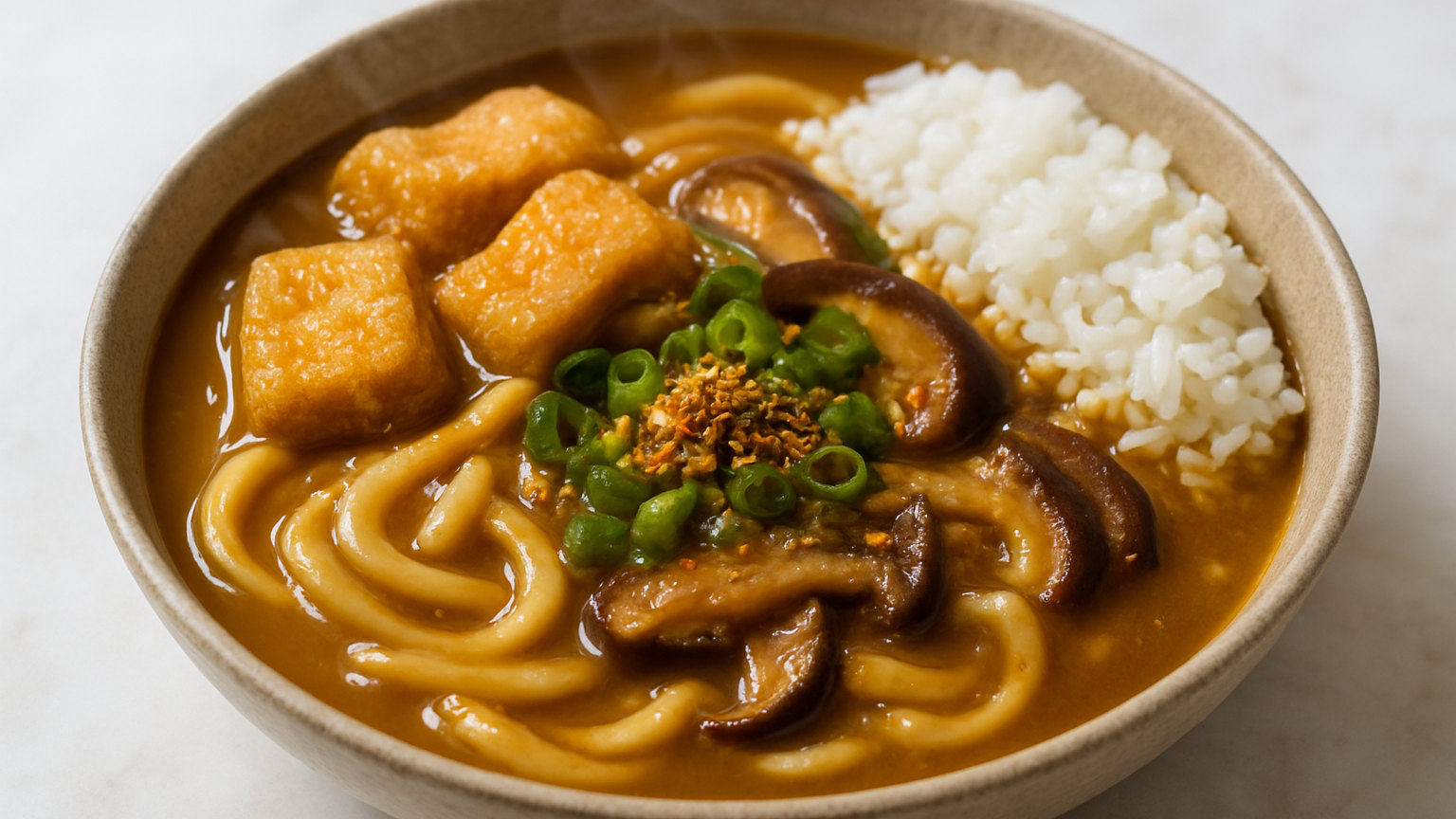
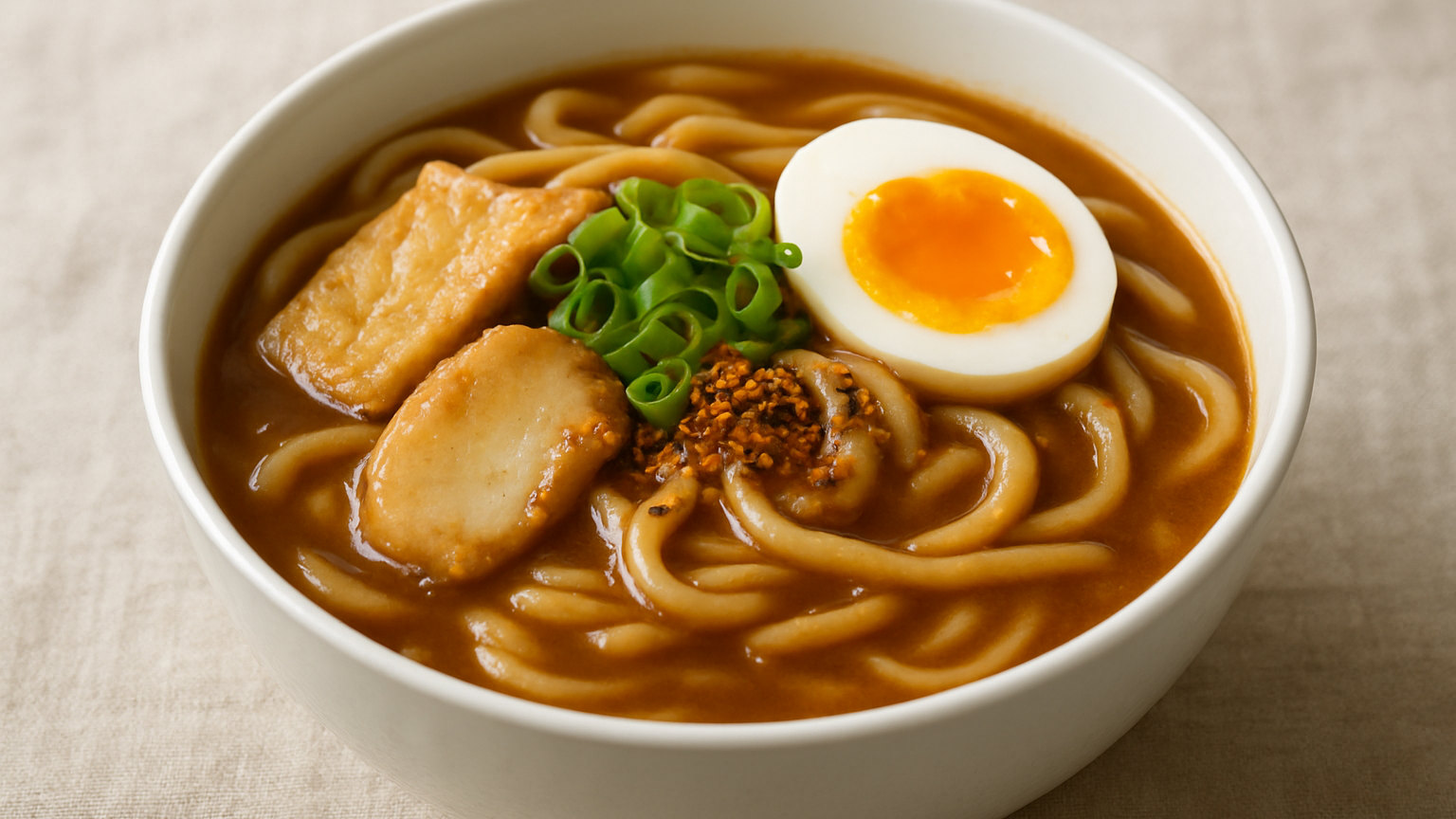
Kombu and shiitake dashi in place of bonito, and fried tofu puffs that soak up the broth better than anything else in the bowl.
Yes, and it is standard rather than optional. Potato starch gives gloss and body that a flour roux alone does not, and it helps the broth cling.
A prawn or vegetable tempura balanced on top, eaten before it softens. The contrast between crisp batter and broth is the whole point.
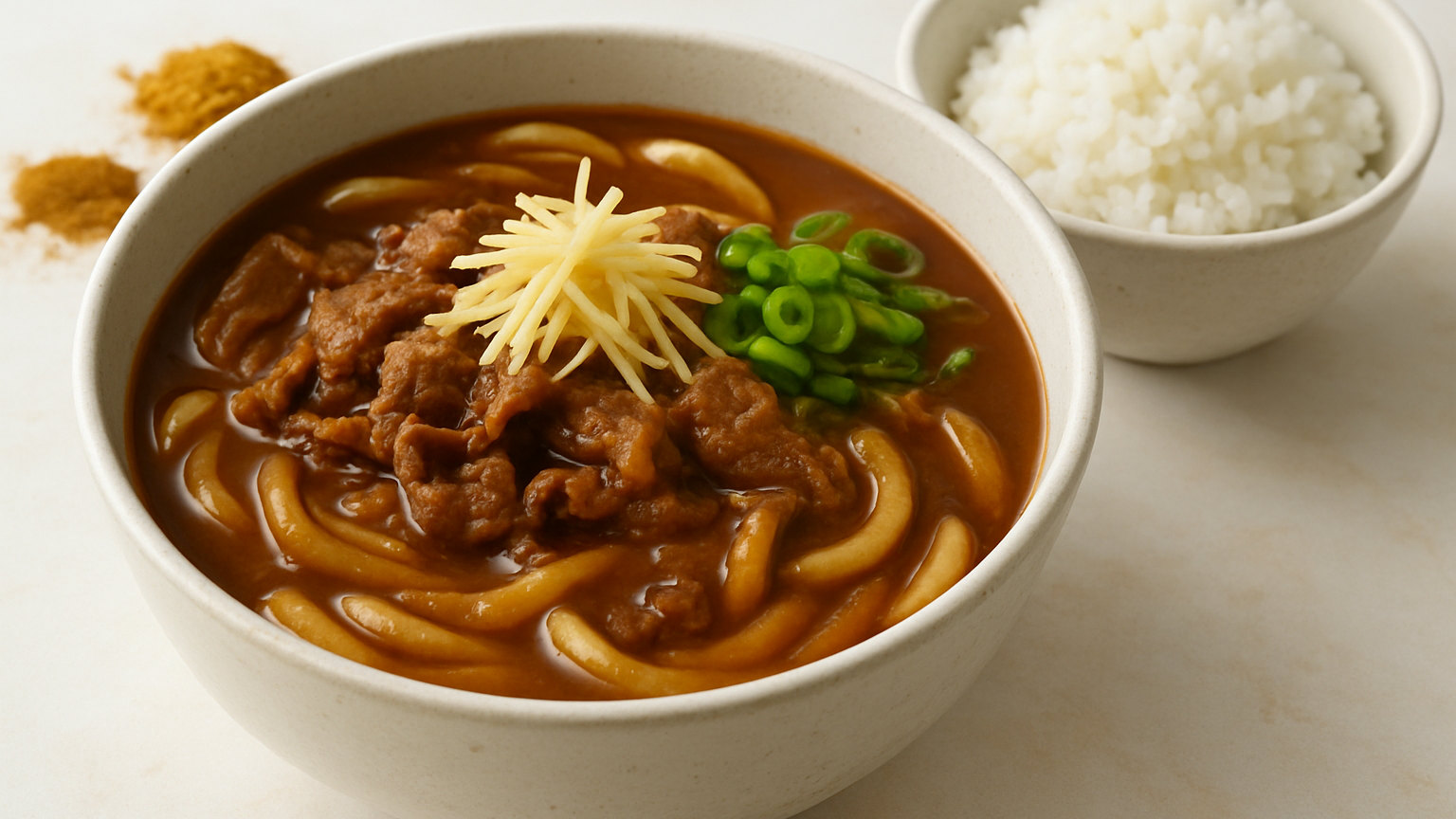
Spring onion and shichimi at minimum. Beyond those, a soft egg, fried tofu, tempura or fish cake, and each adds something the broth lacks.
Soba works and tastes different, ramen is a poor match, and spaghetti is better than it sounds. The thickness matters more than the type.